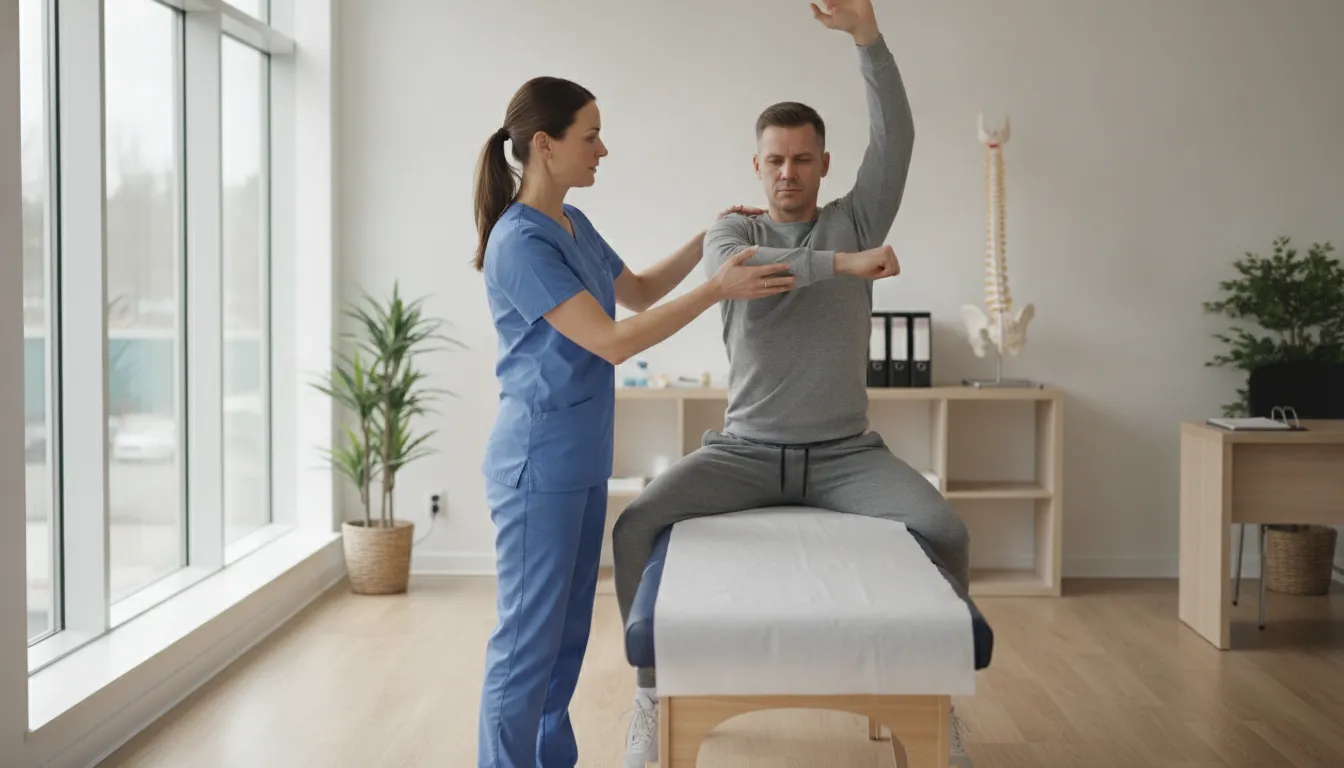
What Do Chiropractors Do? A Modern Practice Guide
15 Min ReadHealthSource Chiropractic
Chiropractic care begins with more than a technique. A chiropractor first works to understand the person in front of them, including relevant health history, current concerns, movement, and functional goals. That foundation helps shape care that is appropriate to the individual rather than a routine built around one procedure.
Learn how HealthSource supports chiropractors who want to build or transform a modern practice.
So, what do chiropractors do? They assess patients, identify a working diagnosis, develop a management plan, provide appropriate care, and monitor progress. Care may include manual methods such as joint manipulation, along with movement guidance or nutritional counseling when relevant. The National Center for Complementary and Integrative Health notes that chiropractors commonly address musculoskeletal concerns while tailoring care to each patient.
For chiropractors, this patient-first responsibility extends beyond the adjustment itself. It includes clear communication, thoughtful decision-making, and knowing when collaboration can support a person's care. The patient visit is where those responsibilities become practical, from the opening conversation through the next steps.
What Do Chiropractors Do During a Patient Visit?
A patient visit usually begins with conversation, not treatment. The chiropractor asks about the reason for the visit, relevant health history, symptoms, prior care, and factors that may affect the patient's goals. This history gives the clinician context for the examination and helps determine which questions or tests deserve closer attention.
The examination may include observing movement, assessing posture or joint function, and conducting other appropriate tests. Chiropractors often treat problems related to the musculoskeletal system, but the assessment is not a one-size-fits-all checklist. The findings, the patient's history, and the concerns identified during the visit contribute to a working diagnosis. The National Center for Complementary and Integrative Health explains this general visit process, including the history, examination, testing, and working diagnosis.
From there, the chiropractor develops a management plan. Depending on the individual's needs and the clinician's training and scope of practice, that plan may include manual care, movement-based strategies, education, or other appropriate services. A plan should make the purpose of care understandable and give the patient an opportunity to ask questions. It should also reflect what the assessment supports rather than promise a predetermined result.
Treatment may begin during the visit, or the clinician may first recommend additional evaluation or coordination with another qualified professional when appropriate. Monitoring is part of the process. The chiropractor reviews how the patient is responding, reassesses relevant findings, and adjusts the plan when the available information changes. This ongoing perspective is central to a thoughtful chiropractic patient journey, because care is shaped over time rather than reduced to a single adjustment.
For practice owners, this flow also highlights the importance of consistent communication and documentation. A patient-centered visit connects the initial concern to a clear assessment, an individualized plan, treatment that fits the plan, and follow-up that keeps the patient's progress in view.
How Chiropractors Assess Needs and Build a Care Plan
Good clinical reasoning begins with listening. A chiropractor asks what brought the patient in, reviews relevant health history, and invites the patient to describe concerns, priorities, and daily limitations in their own words. This conversation provides context that a physical examination alone cannot supply. It also helps the chiropractor identify questions that require further evaluation or coordination with another qualified professional.
The assessment then combines the history with an examination and, when appropriate, testing. According to the National Center for Complementary and Integrative Health, chiropractors interview patients, obtain a detailed health history, perform an examination, conduct tests, and develop a working diagnosis. The process is not a checklist detached from the person in front of the clinician. Findings are considered alongside the patient's goals and the practitioner's professional judgment.
Next, the chiropractor explains the findings in clear language and discusses reasonable care options. A management plan should reflect shared goals rather than a one-size-fits-all sequence. Depending on the practice and the patient's needs, it may address chiropractic care alongside services such as functional exercise or other supportive offerings. A comprehensive model can broaden the tools available to a care team, but it does not mean every patient needs every service.
The plan should also make room for reassessment. Chiropractors develop a management plan, begin care, and monitor progress, then use follow-up conversations and examinations to decide whether the approach remains appropriate. If the patient's priorities change or the findings do not support continuing in the same way, the plan may be adjusted, paused, or coordinated with another provider.
Scope and communication matter
Professional boundaries are part of sound care planning. The scope of chiropractic practice, including the services a chiropractor may provide, varies by state. A responsible clinician works within applicable training and licensure, explains uncertainty, and refers or collaborates when a concern falls outside that scope. For a deeper look at structured, evidence-informed services, review evidence-based clinical services in chiropractic. The goal is a clear plan built around the patient's informed priorities, appropriate evaluation, and ongoing clinical judgment.
What Does a Chiropractic Adjustment Involve?
A chiropractic adjustment is one technique within a broader range of care, not the entire definition of chiropractic practice. Manual methods can include stretching, sustained pressure, and specific joint manipulation. These approaches are generally delivered by hand and may be selected as part of an individualized care plan rather than applied identically to every person.
Manipulation is most commonly performed on the spine, although other areas of the body may also be treated in this way. The intended purpose is to improve joint motion and function. In practical terms, an adjustment involves a chiropractor using a controlled manual technique to address how a joint is moving. While considering the person's history, examination findings, goals, and overall plan of care. The technique itself should not be separated from the assessment and professional judgment surrounding it.
That distinction matters when explaining what chiropractors do. An adjustment is not a universal response to every concern, and it does not replace the other responsibilities involved in patient care. Depending on the practice and the individual's needs, a chiropractor may also incorporate movement-based work, rehabilitation, or education alongside manual care. The specific approach varies by patient and by the clinician's training and scope.
For a closer look at how an adjustment fits within the larger profession, see this explanation of spinal manipulation and chiropractic care. The National Center for Complementary and Integrative Health provides additional background on chiropractic methods and their role in care.
How Chiropractors Support Movement and Rehabilitation
Movement-focused care can extend beyond hands-on techniques. Depending on a patient's assessment, goals, and applicable scope of practice, a chiropractor may incorporate exercise, functional rehabilitation, or nutritional counseling into an individualized plan. These supports are not automatic prescriptions. The appropriate combination depends on the person's presentation, preferences, progress, and the services available within the practice.
Exercise and functional rehabilitation
Functional rehabilitation can help connect clinical care with the movements a patient needs for daily life, work, recreation, or a gradual return to activity. A chiropractor may use guided exercises to address movement quality, strength, mobility, coordination, or tolerance for specific activities. The focus should be on selecting and progressing activities thoughtfully rather than handing every patient the same routine.
In a comprehensive practice, functional exercise may complement manual care while giving patients an active role in their plan. The chiropractor can explain the purpose of each activity, observe how the patient responds, and adjust the plan as progress is monitored. This approach keeps rehabilitation connected to assessment and communication instead of treating exercise as a separate, generic add-on. For a related perspective on coordinated care, see integrating physical therapy with chiropractic care.
Nutritional counseling as a possible support
Nutritional counseling may also be included when it is relevant to a patient's goals and within the provider's training and scope. In this context, counseling can focus on practical education and an individual's broader health priorities. It should not be presented as a universal solution or as a substitute for appropriate medical evaluation. The same patient-first standard applies: recommendations should be explained clearly, tailored to the person, and revisited when circumstances change.
The National Center for Complementary and Integrative Health notes that exercise and nutritional counseling may be used in addition to manual therapy. Rather than defining chiropractic care as adjustments alone (NCCIH's overview of chiropractic). HealthSource describes its model as extending beyond adjustments through rehabilitation, technology-based services, and wellness offerings. Terms such as functional exercise can describe possible components of that model, not a promise that every clinic or patient receives every service.
How Chiropractors Collaborate With Other Health Professionals
Chiropractic care is most effective when it fits the patient's broader health goals rather than operating in isolation. A chiropractor may communicate with other qualified health professionals when a patient's needs extend beyond the services or expertise available within the practice. Depending on the situation, that can include sharing relevant history, clarifying the care plan, or recommending that the patient seek another evaluation.
Good collaboration starts with clear professional boundaries. Chiropractors assess patients, develop management plans, provide care within their training and applicable scope of practice, and monitor progress. In the United States, chiropractors must earn a Doctor of Chiropractic degree, pass the National Board of Chiropractic Examiners examination. And hold a state license to practice, although specific scope rules vary by state. The National Center for Complementary and Integrative Health outlines chiropractic education and care without replacing state-specific guidance.
Shared goals and appropriate referrals
Communication should stay centered on a shared patient goal, such as improving function, supporting participation in daily activities, or determining whether another type of evaluation is appropriate. A referral is not a failure of chiropractic care. It is a responsible step when another professional's training, diagnostic perspective, or service is better suited to the patient's concern. The chiropractor should avoid promising outcomes, respect the other professional's role, and help the patient understand what the next step involves.
Continuity matters after a referral, too. With appropriate patient permission and within applicable privacy requirements, professionals can coordinate relevant information and keep the care plan understandable. HealthSource describes licensed doctors of chiropractic as providing adjustments as part of multi-session treatment plans, so collaboration can help those plans remain responsive as a patient's needs change. For practice owners exploring a broader care model, building a multidisciplinary chiropractic clinic can provide useful context, but each practice must define its services and relationships responsibly.
What Training and Scope Shape a Chiropractor's Role?
A chiropractor's role is shaped by formal education, supervised clinical preparation, examination, and the rules of the state where the chiropractor practices. That foundation matters when explaining what do chiropractors do in a way that reflects both patient care and professional responsibility.
In the United States, the standard pathway includes completing a Doctor of Chiropractic (D.C.) program. These programs typically take four years after at least three years of undergraduate education. Coursework covers basic sciences such as anatomy and physiology, while supervised clinical experience gives students structured opportunities to develop skills in assessment, adjustment techniques, and diagnosis. Clinical training helps connect classroom knowledge to the practical work of evaluating a person, deciding whether chiropractic care is appropriate, and developing a care approach within professional limits.
Education also supports the hands-on nature of chiropractic treatment. As the National Center for Complementary and Integrative Health explains, treatment typically involves manual therapy, which may include stretching, sustained pressure, and specific joint manipulation. The purpose of manipulation is to improve joint motion and function. Those techniques are part of a broader clinical role, not a substitute for examination, informed decision-making, communication, or progress monitoring.
After completing the required education, a chiropractor must pass the National Board of Chiropractic Examiners examination and obtain a state license to practice. Licensure is not a one-size-fits-all permission slip. The scope of practice, meaning the services a chiropractor is allowed to provide, varies from state to state. Requirements and permitted services can therefore affect how a chiropractor structures evaluations, referrals, documentation, team roles, and the services available in a practice.
For practicing or prospective chiropractors, the practical takeaway is to treat state licensing rules as an essential reference point and verify current requirements through the appropriate state authority. A modern practice may offer a broad, coordinated care experience, but each service and clinical responsibility still needs to fit the chiropractor's education, credentials, and applicable scope.
What Can a Modern Multidisciplinary Chiropractic Practice Include?
A modern multidisciplinary practice can be organized around a broader care model than adjustments alone. It may bring chiropractic care, rehabilitation, technology-based services, nutrition, and wellness support into one coordinated setting. That does not mean every practice offers every service, or that every patient uses every option. The appropriate mix depends on the chiropractor's training, the practice's scope, patient needs, and applicable state requirements.
HealthSource describes one example of this comprehensive approach, combining chiropractic care with rehabilitation and wellness offerings. The service areas below illustrate how different capabilities can complement the chiropractor's central role in assessment, care planning, communication, and progress monitoring. They are not a universal checklist or a promise of a particular clinical result.
| Care area | What it can add | How it fits the role |
|---|---|---|
| Adjustments | Hands-on chiropractic techniques, including specific joint manipulation when appropriate. | Provides one part of an individualized chiropractic care plan. |
| Functional exercise and rehabilitation | Progressive movement and exercise support tailored to a person's goals and abilities. | Extends care into movement practice and functional support. |
| Class IV/high-powered laser therapy | A technology-based service that may be included within a broader care model. | Gives the practice another modality to evaluate and use within its scope. |
| Spinal decompression | A specialized service that some practices may offer as part of their clinical model. | Can sit alongside, rather than replace, assessment and care planning. |
| Nutritional counseling | Structured guidance that can support conversations about nutrition and daily habits. | Adds a wellness-oriented layer when appropriately trained and delivered. |
| Wellness Club | An organized framework for ongoing wellness participation and education. | Creates a defined way to engage people beyond an individual visit. |
| Sleep optimization | Sleep-focused education and support within the practice's available resources. | Broadens wellness conversations without turning every visit into the same program. |
These service streams are best understood as connected capabilities, not isolated add-ons. A practice owner can consider how each area supports patient communication, team coordination, and a consistent experience while preserving individualized decision-making. HealthSource's example is outlined further in this overview of seven chiropractic clinic revenue streams. The underlying model remains patient-first: evaluate needs, explain relevant options clearly, and use only services that fit the practitioner's qualifications and the person's care plan.
Explore a modern practice model for chiropractors.
Frequently Asked Questions
What do chiropractors do during a patient visit?
A chiropractor typically reviews the patient's health history, asks about current concerns, performs an examination, and may conduct additional tests. The chiropractor then develops a working diagnosis and management plan, begins appropriate care, and monitors progress over time. The exact process varies with the patient's needs and the clinic's scope of practice. The National Center for Complementary and Integrative Health describes these core steps.
Are chiropractors doctors?
In the United States, chiropractors earn a Doctor of Chiropractic degree and are licensed healthcare professionals. They are not medical doctors, and their education and legal scope differ from those of physicians. U.S. chiropractors must also pass a national board examination and meet state licensing requirements. Scope of practice varies by state, so patients should confirm what services a local chiropractor is authorized to provide. NCCIH outlines these education and licensing requirements.
What is a chiropractic adjustment?
An adjustment is a form of manual therapy intended to improve joint motion and function. Techniques may include stretching, sustained pressure, or a specific joint manipulation, often involving the spine. An adjustment is one possible component of care, not a complete description of every chiropractor's role. A patient-first plan may also include education, exercise, or other appropriate services.
Do chiropractors only perform adjustments?
No. Chiropractors often address musculoskeletal concerns through assessment, care planning, manual therapy, and progress monitoring. Depending on the practitioner's training, legal scope, and clinical model, care may also include exercise or nutritional counseling. Modern multidisciplinary practices can coordinate complementary services while keeping recommendations individualized. Not every clinic offers every modality, and no single approach is appropriate for every patient.
Ready to Transform Your Practice?
Understanding the full scope of chiropractic care can help you shape a practice that supports assessment, collaboration, rehabilitation, and individualized patient goals. If you are exploring a broader modern practice model, learn how HealthSource supports chiropractors who want to build or transform their practice. Review the approach and consider whether it aligns with the kind of patient-centered care you want to provide.