
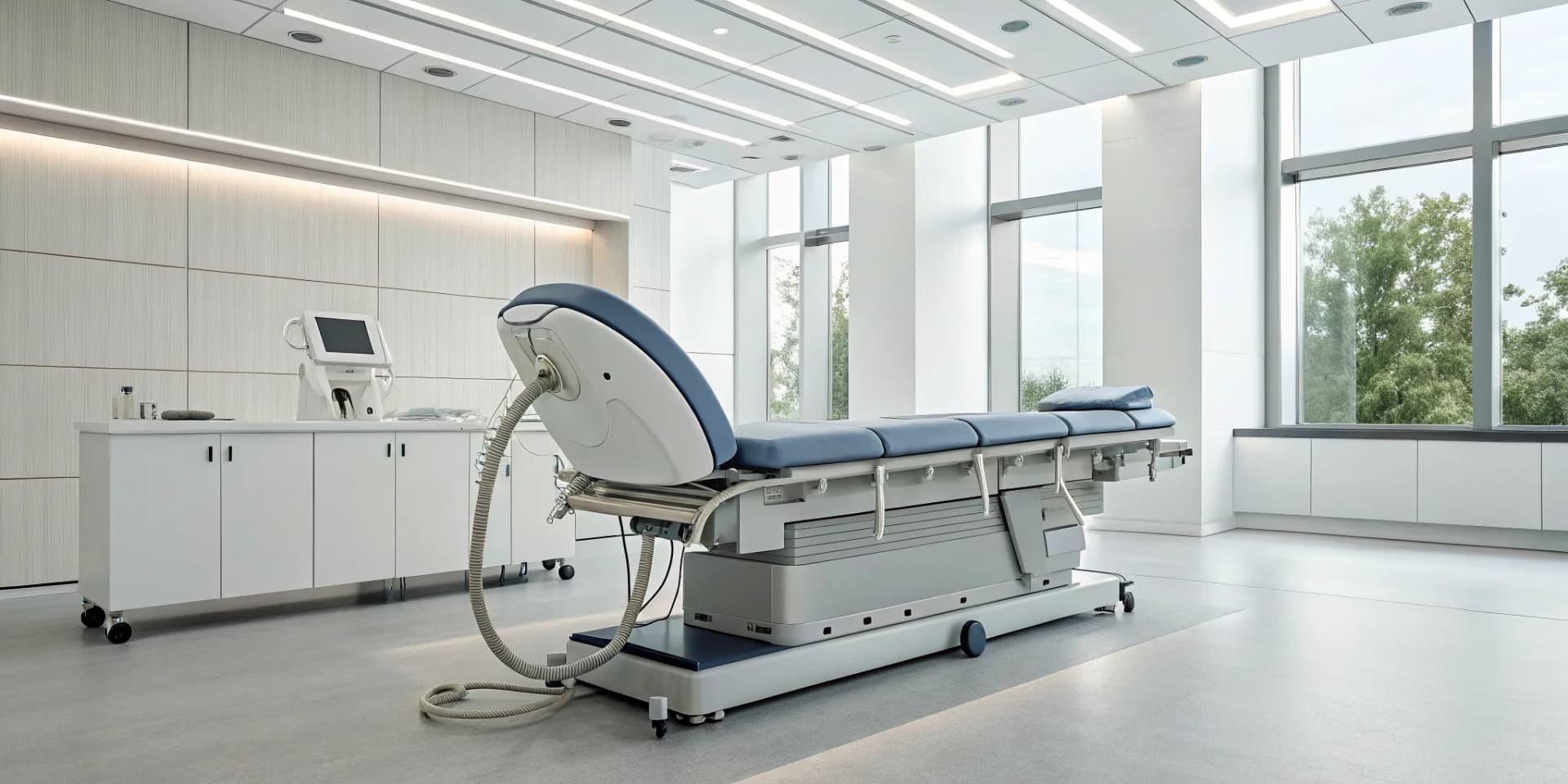
Spinal Decompression Machine for Sale: A Buyer's Guide
26 Min ReadHealthSource Chiropractic
The physical demands of being a chiropractor are real. While you love helping patients, the long-term strain of performing manual adjustments can take a toll on your own body and limit how much your practice can grow. What if you could deliver exceptional, high-value care without being tied to the treatment table all day? A spinal decompression machine allows you to do just that. By integrating this advanced, automated technology, you can oversee treatment while reducing your physical workload. Finding the right spinal decompression machine for sale is a strategic step toward building a more sustainable career and a scalable business that doesn’t depend entirely on your two hands to succeed.
Key Takeaways
- Enhance patient care and your bottom line: A spinal decompression machine lets you treat complex conditions non-surgically, attracting new patients and adding a significant revenue stream to your clinic.
- Invest in the right technology: Look for professional-grade machines with adjustable controls, critical safety features, and a comfortable design to deliver the best possible patient experience and clinical outcomes.
- Create a scalable, less demanding business: This technology helps differentiate your clinic, reduce the physical toll of manual adjustments, and build systems that allow you to work on your business, not just in it.
What Is a Spinal Decompression Machine?
As a clinic owner, you’re always looking for ways to deliver better patient outcomes while building a more sustainable and profitable practice. A spinal decompression machine is a key piece of equipment that can help you achieve both. These advanced systems are specifically designed to offer a non-surgical solution for patients suffering from chronic back and neck pain, sciatica, or herniated discs. Unlike basic traction, these machines use sophisticated, computer-controlled technology to apply a precise and gentle decompressive force to the spine, creating an ideal healing environment for damaged discs.
For your practice, investing in a spinal decompression machine means adding a powerful, high-value service that sets you apart. It allows you to treat complex spinal conditions effectively, often providing relief where other methods have failed. This not only enhances your clinical reputation but also introduces a new revenue stream that can significantly impact your bottom line. By incorporating this technology, you can offer patients a safe and effective alternative to surgery, positioning your clinic as a leader in advanced spinal care. It’s a strategic move that aligns with the goal of creating a modern, patient-centered practice that doesn’t rely solely on manual adjustments, allowing you to work smarter, not harder.
How Does Spinal Decompression Work?
At its core, spinal decompression therapy works by gently stretching the spine. This controlled movement creates negative pressure within the targeted spinal discs, which are the gel-like cushions between your vertebrae. Think of it as a vacuum effect. This negative pressure can help retract or reposition herniated or bulging disc material, taking pressure off pinched nerves. More importantly, it promotes the movement of water, oxygen, and nutrient-rich fluids into the discs so they can heal. This process provides a healing environment that is essential for long-term pain relief and spinal health, making it a cornerstone of a comprehensive rehab-focused business model.
Professional vs. At-Home Models: What's the Difference?
Your patients might ask about the inversion tables or simple traction devices they see for sale online. It’s crucial to understand and explain the difference. Professional, clinical-grade machines like the DRX9000 are sophisticated medical devices. They use load sensors and computer algorithms to apply precise, logarithmic pulling forces that can bypass the body’s natural tendency to guard and resist the stretch. This allows for a true decompression of the disc. In contrast, at-home models are basic traction devices. While they can provide a temporary stretch, they lack the precision, safety features, and advanced technology needed to achieve genuine, lasting spinal decompression and healing. Offering professional therapy is a key differentiator for your clinic.
Exploring the Types of Decompression Machines
When you start looking at spinal decompression machines, you’ll quickly see they aren’t one-size-fits-all. The technology is specialized, with different machines designed to target specific areas of the spine. Think of it like having a full toolkit; you need the right instrument for the job at hand. Some machines focus exclusively on the lower back, others on the neck, and some versatile systems can handle both.
Understanding these categories is the first step toward choosing a machine that will be a true asset to your practice. Your decision will likely come down to the most common conditions you treat and your long-term vision for your clinic. Are you seeing a high volume of patients with sciatica and lower back pain? Or are neck-related issues more prevalent? By matching the equipment to your patient base, you can ensure you’re making a smart investment that expands your service offerings and helps you deliver the best possible outcomes. Let’s look at the main types you’ll encounter.
Lumbar Decompression
Lumbar decompression machines are specifically engineered to address pain and dysfunction in the lower back. If your practice frequently treats conditions like herniated or bulging discs, sciatica, or degenerative disc disease, this is the technology you’ll want to focus on. These machines work by gently and precisely stretching the lumbar spine. This action creates negative pressure within the targeted disc, which can help retract bulging disc material and relieve pressure on pinched nerves. This process also encourages the flow of water, oxygen, and nutrients into the disc to promote healing. Well-known systems are designed to provide this true spinal decompression in a controlled, effective manner.
Cervical Decompression
For patients dealing with chronic neck pain, pinched nerves, or radiating pain into the shoulders and arms, cervical decompression machines offer a targeted solution. These devices apply a gentle, calculated traction force to the cervical spine. The goal is to create space between the vertebrae, relieving pressure on the discs and nerves in the neck. This can significantly reduce pain, decrease inflammation, and improve mobility for patients who have struggled to find relief through other means. Some machines are built exclusively for cervical treatment, while others incorporate it as a feature within a larger, full-spine system, giving you flexibility depending on your practice’s needs.
Full-Spine Systems
If your clinic serves a diverse patient population with a wide range of spinal issues, a full-spine system is an excellent and efficient investment. These versatile machines are designed to treat both lumbar and cervical conditions, giving you the ability to offer comprehensive care from a single piece of equipment. This not only saves valuable floor space in your clinic but also streamlines your treatment protocols. By having one machine that can address everything from lower back pain to neck stiffness, you position your practice as a go-to center for non-invasive spinal care. This adaptability makes full-spine systems a popular choice for forward-thinking chiropractors looking to maximize their impact.
Inversion Tables and Other Alternatives
You’ll also come across other tools like inversion tables and portable traction devices. Inversion tables use gravity to stretch the spine by allowing a person to hang safely upside down. While some patients find them helpful for temporary relief, they lack the precision, control, and targeted force of professional-grade clinical machines. These alternatives are generally considered a different category of back decompression device and are often used at home. For a clinical setting focused on delivering specific and reproducible patient outcomes, a professional decompression machine provides a much higher level of therapeutic control and effectiveness.
What to Look For in a Spinal Decompression Machine
Choosing the right spinal decompression machine is a major decision for your practice. It’s not just about buying a piece of equipment; it’s about investing in a tool that will directly impact patient outcomes and your clinic's success. The market is filled with options, each with different features and capabilities. To make the best choice, you need to look beyond the price tag and evaluate how a machine will fit into your clinical workflow and support your treatment philosophy.
A top-tier machine should offer a high degree of control, ensuring you can deliver precise and effective care. It also needs to have robust safety mechanisms to protect your patients and your practice. Think about how it will integrate with the other services you provide, creating a comprehensive care plan that sets you apart. Finally, never underestimate the importance of patient comfort. A positive treatment experience is crucial for patient retention and referrals. Let’s explore the key features you should prioritize in your search.
Adjustable Settings and Pressure Controls
The ability to customize treatment is non-negotiable. Every patient is different, and a one-size-fits-all approach simply doesn’t work for spinal decompression. Look for a machine with a wide range of adjustable settings. This includes customizable posture options, precise pressure controls, and different pull patterns. This level of control allows you to tailor each session to the patient’s specific condition, whether it's a herniated disc, sciatica, or degenerative disc disease. An intuitive, easy-to-use interface is also key, as it allows you to make adjustments quickly and efficiently during treatment. This adaptability is a core part of a modern, results-driven business model.
Essential Safety Features
Patient safety is your top priority, and the machine you choose must reflect that. High-quality spinal decompression tables come equipped with essential safety features designed to protect the patient throughout the treatment. Look for a patient-operated safety switch, which allows them to immediately stop the session if they feel any discomfort. Other critical features include automated shut-off mechanisms and precise, computer-controlled tensioning that prevents excessive force. These systems provide peace of mind for both you and your patient. Investing in a machine with these safeguards is a fundamental part of providing responsible care and requires the right training and support to use effectively.
Complementary Therapy Options
A spinal decompression machine shouldn't be a standalone service. Instead, it should be a powerful component of a comprehensive treatment plan. Consider how the machine will integrate with your existing services, such as chiropractic adjustments, rehabilitation exercises, and other modalities. The best systems are designed to complement these therapies, helping to improve overall patient outcomes. For example, using decompression to relieve pressure before an adjustment can make the treatment more effective. This integrated approach allows you to create a more holistic and valuable service offering, which can become one of your clinic's unique revenue streams.
Patient Comfort and Ergonomics
A patient who is relaxed and comfortable during treatment is more likely to have a positive outcome and continue with their care plan. Look for machines with ergonomic designs that support the patient’s body correctly. Features like ample padding, adjustable bolsters, and comfortable harnesses can make a significant difference in the patient experience. Don’t forget about your own ergonomics, either. A machine that is easy for you and your staff to operate reduces physical strain and improves efficiency. A focus on comfort shows patients you care about their entire experience, which builds trust and loyalty, a cornerstone of a successful practice according to many franchisee testimonials.
The Benefits of Adding a Decompression Machine to Your Practice
Bringing a new piece of major equipment into your clinic is a big decision. It’s an investment of money, space, and training time. But the right technology isn’t just another tool; it’s a way to expand your clinical capabilities, attract new patients, and build a more resilient business. A spinal decompression machine can be one of the most impactful additions you make. It directly addresses a growing patient need for effective, non-surgical pain relief, allowing you to provide a higher level of care. By diversifying your services, you not only improve patient outcomes but also create a powerful new revenue stream that can help you scale your practice and achieve your long-term business goals.
Offer Non-Invasive Pain Relief
More than ever, patients are looking for alternatives to surgery and long-term medication for their chronic pain. Spinal decompression therapy perfectly meets this need. It’s a gentle, non-invasive treatment that works by carefully stretching the spine to relieve pressure on compressed discs and nerves. This approach provides a powerful solution for patients suffering from sciatica, herniated discs, and degenerative disc disease who may feel like they’ve run out of options. By offering this therapy, you position your clinic as a forward-thinking resource for modern pain management. You’re not just providing adjustments; you’re offering a sophisticated treatment that aligns with the growing demand for chiropractic care that prioritizes patient comfort and avoids invasive procedures.
Realize Long-Term Cost Savings
The initial price of a professional-grade decompression machine can seem high, but it’s important to view it as a long-term investment in your clinic’s financial health. For patients, decompression therapy is often a more cost-effective path than expensive surgeries or the ongoing costs of prescription drugs. This makes it an accessible and attractive option. For your practice, it introduces an entirely new service that can significantly increase your revenue. Adding decompression therapy is a key way to diversify your income and reduce your reliance on adjustment-only services. This single piece of equipment can pay for itself over time while strengthening your clinic’s bottom line and making your business more sustainable.
Improve Patient Outcomes
Ultimately, the goal is always to help your patients get better, and a decompression machine is a powerful tool for achieving that. It’s not a standalone fix but rather a complementary therapy that integrates beautifully with your existing chiropractic care. When you combine spinal decompression with adjustments, physical therapy, and lifestyle guidance, you create a comprehensive treatment plan that addresses pain from multiple angles. This integrated approach leads to better, more lasting results for your patients. Delivering superior outcomes enhances your reputation, generates more word-of-mouth referrals, and solidifies your clinic’s role as a leader in patient-centered care. It’s a cornerstone of a different kind of chiropractic business model that’s built on clinical excellence.
How Much Does a Spinal Decompression Machine Cost?
When you’re considering adding a new service to your practice, the cost is always a top consideration. Spinal decompression machines are a significant investment, but they can also introduce a powerful new revenue stream and deliver incredible results for your patients. The price tag can vary widely depending on whether you’re looking at a professional-grade system for your clinic or a simpler device meant for home use. Understanding the different price points and what features drive the cost will help you make the best decision for your business goals.
Think of this purchase not just as an expense, but as an investment in the future of your practice. The right machine can help you improve patient outcomes, attract new clients seeking non-invasive pain relief, and even reduce the physical strain on your own body. Let's break down what you can expect to spend.
The Investment for Professional-Grade Machines
Clinical-grade spinal decompression machines are built for the demands of a busy practice. These systems are durable, offer precise controls, and come with advanced features to treat a variety of conditions effectively. For example, a high-end system like the DRX9000 can cost around $15,000. Other trusted brands, like Chattanooga, offer professional traction units that range from about $4,700 to over $5,000. While the initial investment is substantial, these machines are designed for reliability and performance, ensuring you can provide consistent, high-quality care. They are the gold standard for chiropractors who want to offer true, targeted spinal decompression therapy in a clinical setting.
Price Range for At-Home Models
You’ll also find a huge market for at-home spinal decompression devices. A quick search on a site like Amazon reveals hundreds of products, with prices starting as low as $45 for a basic neck traction brace and going up to $16,000 for a full traction table. It’s important to remember that these consumer-grade models are not a substitute for professional equipment. They lack the sophisticated technology, adjustability, and power of a clinical machine. While they might offer temporary relief for individuals at home, they aren't designed for the rigorous, tailored treatment protocols you would implement in your practice.
What Factors Influence the Cost?
So, what’s behind the wide price range? Several key factors determine the cost of a spinal decompression machine. More expensive models typically include automated therapy options, a higher degree of adjustability for patient positioning, and superior pressure capabilities for more effective treatment. Comfort features, like extra padding and ergonomic design, also add to the price. Portability can be another factor, though it’s less of a concern for a stationary clinic table. When you’re comparing models, also look into the financing or leasing options available, as these can affect your upfront and long-term costs.
A Look at Top Decompression Machine Brands
Choosing the right equipment is a major decision for your practice. The market is filled with options, from clinical-grade systems to at-home devices. To help you make an informed choice, let's look at some of the most recognized brands and what other practitioners and patients have to say about them. Understanding the landscape will help you select a machine that aligns with your clinical goals and business vision.
Leading Professional Equipment Manufacturers
When you're ready to invest in a professional-grade machine, a few names consistently come up. The DRX9000, for example, is well-regarded for its advanced technology. It uses specialized sensors to monitor and adjust treatment force, creating a truly personalized therapy session for each patient. Another top contender is the Hill DT table, known for its effectiveness in clinical settings. These machines are built for the rigors of a busy practice and are designed to deliver the consistent, high-quality outcomes your patients expect. Integrating this level of technology is a key part of building a different kind of chiropractic business model that prioritizes patient results and practice growth.
Popular Consumer-Grade Options
You’ll also find a huge market for consumer-grade decompression devices. A quick search reveals hundreds of products, with inversion tables being one of the most common. These devices use gravity to create traction and are popular for at-home use. While they can offer temporary relief for some, they lack the precision, control, and advanced features of a professional system. As a practitioner, it's helpful to understand these options, as patients may ask about them. It’s a great opportunity to explain the difference in care and why the demand for professional chiropractic services continues to grow. Patients are looking for effective, long-term solutions that only a clinical setting can provide.
What Patient and Practitioner Reviews Say
Real-world feedback often speaks volumes. You’ll find many chiropractors who stand by their equipment choices for years. One practitioner mentioned, "I've been using a DRX now for the past 20 years and get great results." This kind of long-term reliability is exactly what you want in a significant investment. Patients also share powerful stories about their recovery. One person with a long history of back pain said, "I absolutely love the lower back unit. I've had bulging discs in my lower back since I was 13." Positive patient outcomes are the ultimate goal, and hearing these experiences reinforces the value of choosing a reputable, effective machine. These are the kinds of results our own franchisees consistently achieve in their communities.
Where to Buy Spinal Decompression Machines
Once you’ve decided to add spinal decompression to your practice, the next question is where to find the right machine. This is a significant investment, so it’s worth exploring your options to find the best fit for your clinic’s needs and budget. You can source this equipment from a few key places, each with its own advantages. Whether you prefer the wide selection of an online supplier or the specialized expertise of a direct manufacturer, there’s a path that will work for you. Let’s walk through the most common places to purchase a spinal decompression machine.
Online Medical Equipment Suppliers
Online suppliers are a great starting point for your research because they offer a broad view of the market. You can easily compare different models, features, and price points from various brands in one place. While general marketplaces can be useful for initial browsing, dedicated suppliers like US MedRehab focus specifically on chiropractic and physical therapy tools. These sites provide more detailed product specifications and cater directly to the needs of a professional practice, giving you a more curated selection to choose from.
Directly From the Manufacturer
Buying directly from the manufacturer is an excellent choice if you have a specific model in mind or want access to the most advanced technology. Companies like Hill DT Solutions design and build these machines, so their teams have deep product knowledge. Going direct can give you access to better pricing, comprehensive warranties, and dedicated customer support. It also opens up a direct line for any questions about installation, training, or maintenance. This route is ideal for practitioners who want to invest in a top-of-the-line system and build a relationship with the company that created it.
Understanding Your Financing Options
A professional-grade spinal decompression machine is a major purchase, but you don’t have to pay for it all at once. Most manufacturers and suppliers offer financing programs to make the investment more manageable for clinic owners. These plans allow you to spread the cost over time, freeing up cash flow for other business needs. When exploring different machines, be sure to ask about the available financing options. A payment plan can make it possible to acquire the high-quality equipment you need to expand your services and improve patient outcomes without a prohibitive upfront expense.
Key Considerations Before You Buy
Adding a spinal decompression machine to your practice is a significant investment, and it’s smart to think through all the angles before you make a final decision. Beyond the price tag and features, there are a few practical considerations that will determine how smoothly this new equipment integrates into your clinic and how successful it will be for your patients and your business. Taking the time to plan for space, seek expert advice, and set clear expectations will ensure you’re making a strategic move that truly benefits your practice for years to come.
Space and Installation Requirements
First things first: where will the machine actually go? Spinal decompression tables are not small, and you’ll need to account for more than just the machine's footprint. Think about the space required for you to move around it comfortably while assisting patients, as well as the room patients need to get on and off the table safely. A cramped space can detract from the patient experience and make the treatment feel less professional. Before you even start browsing models, measure your available area carefully. A well-integrated machine should enhance your clinic's flow, not disrupt it. This is a key part of building a state-of-the-art clinic that reflects the quality of care you provide.
The Importance of Professional Consultation
You don’t have to make this decision alone. Before you buy, it’s incredibly helpful to talk with other professionals who have already integrated spinal decompression into their practices. They can offer real-world insights into which features are must-haves and which brands live up to their promises. This is one of the major advantages of being part of a larger network. When you have a community of peers to turn to, you can learn from their experiences and avoid common pitfalls. Leaning on the expertise of a supportive franchise culture can give you the confidence that you’re choosing the right equipment to meet your specific clinical and business goals.
Setting Realistic Expectations for Results
A spinal decompression machine can be a game-changer for your patients, but it’s important to set clear expectations from the start, for both them and yourself. Make sure your patients understand that the therapy is designed to be gentle and that the goal is long-term relief, not just a temporary fix. Educating them on the process and the potential outcomes builds trust and improves compliance. This approach aligns perfectly with the growing demand for chiropractic care that offers lasting, non-invasive solutions. When you properly frame the benefits, you’re not just selling a service; you’re providing a clear path to better health, which is the foundation of a thriving practice.
How a Decompression Machine Can Transform Your Practice
Integrating a spinal decompression machine into your clinic is more than just an equipment upgrade; it’s a strategic business decision that can redefine what’s possible for your practice. For chiropractors looking to grow beyond the limitations of a traditional model, this technology opens the door to new services, improved patient outcomes, and a more sustainable career. It’s a direct path toward building a more resilient and profitable clinic that stands out in your community.
By offering a sought-after, non-invasive treatment, you can attract a wider range of patients and create a more diverse service menu. This isn't just about adding a new tool. It's about evolving your practice to meet modern patient demands and building a business that can scale effectively. Adopting this technology allows you to work smarter, not just harder, positioning you to lead your clinic’s growth instead of being tied to the treatment table. It’s a key component of a different kind of chiropractic business model that prioritizes both patient results and your own professional goals.
Add a Powerful New Revenue Stream
Spinal decompression therapy has become an incredibly popular treatment for chronic back and neck pain, attracting patients actively searching for effective, non-surgical solutions. By adding this service, you immediately tap into a new market and create an additional income source for your practice. This diversifies your offerings and makes your clinic a destination for comprehensive spinal care.
This isn't just about treating your existing patients. It’s about attracting new ones who may have been hesitant to try traditional chiropractic adjustments. Offering decompression therapy can significantly increase your clinic’s revenue potential and patient volume. It’s a powerful way to build upon your existing services and add one of the seven unique revenue streams that successful modern clinics use to thrive.
Stand Out and Reduce Your Physical Workload
In a crowded market, differentiation is key. Offering advanced spinal decompression therapy sets your practice apart from competitors who only provide manual adjustments. Delivering exceptional results for patients with chronic or stubborn conditions builds a strong reputation and fuels word-of-mouth referrals, which are the lifeblood of any clinic. Better patient outcomes naturally lead to a busier, more successful practice.
At the same time, this technology can significantly reduce the physical strain on you. The day-to-day demands of performing manual adjustments can take a toll over a long career. A decompression machine allows you to provide highly effective care without the repetitive physical effort. This can extend your career, prevent burnout, and give you the freedom to transition your focus toward managing your business.
Scale Your Business with Advanced Technology
Modern decompression machines are built with sophisticated technology, like load sensors that constantly monitor and adjust treatment forces. This ensures every patient receives a precise, consistent, and effective therapy session. This level of automation and reliability makes it possible to train your staff to administer treatments, freeing you from being the only provider who can deliver this service.
This is the key to scaling your business. When you can delegate treatments with confidence, you can serve more patients without increasing your own hours. It allows you to shift your focus from practicing full-time to leading your team and growing your clinic. With the right systems and franchise training and support, you can even replicate this model across multiple locations, building a much larger business.
Frequently Asked Questions
Is spinal decompression just a fancier version of traction? That's a great question, and it gets to the heart of what makes this technology so effective. While both use a pulling force, professional spinal decompression is far more sophisticated. Think of it this way: basic traction is a simple, static pull. In contrast, a clinical decompression machine uses computer-controlled algorithms to apply a precise, oscillating force. This advanced approach is designed to gently work around the body's natural muscle guarding response, allowing for a true negative pressure to be created within the disc, which is essential for healing.
What kind of return on investment can I realistically expect? The return on a spinal decompression machine is twofold. Clinically, you see a return in the form of better patient outcomes for complex cases, which builds your reputation. Financially, it introduces a high-value, often cash-based service that attracts a new type of patient: those specifically seeking non-surgical alternatives for chronic pain. While the exact timeline depends on your patient volume and marketing, many clinic owners find that the machine pays for itself by expanding their service offerings and attracting clients who might not have come in for adjustments alone.
How much training does my staff and I need to operate one of these machines safely? You don't need to be a tech genius to use this equipment effectively. Reputable manufacturers provide comprehensive training on how to operate their machines safely and create effective treatment protocols. The systems are designed with user-friendly interfaces, making the learning process straightforward. This is key because it allows you to confidently train your staff to administer treatments, which frees you up to focus on other aspects of managing and growing your business.
Which patients are the best candidates for this therapy? Spinal decompression is an excellent solution for a specific set of conditions that are often difficult to treat with adjustments alone. The ideal candidates are patients suffering from chronic pain related to herniated or bulging discs, sciatica, degenerative disc disease, or posterior facet syndrome. It's not a one-size-fits-all solution, so a proper diagnosis is crucial. It provides a powerful, targeted option for those patients who feel like they've exhausted their other non-invasive options.
Can I integrate this service if I have a small clinic space? This is a very practical concern for many clinic owners. These machines do require a dedicated footprint, so planning is essential. Before you buy, you should carefully measure your available space and compare it to the dimensions of the models you're considering, remembering to account for clearance on all sides for you and your patients to move safely. While it is a large piece of equipment, many clinics successfully integrate it by being strategic with their floor plan. It's about finding the right machine for the space you have.


