
How to Calculate Spinal Decompression Equipment ROI
27 Min ReadHealthSource Chiropractic
You see them every week: patients with herniated discs or sciatica who are desperate for relief but terrified of surgery. Offering them a non-invasive solution like spinal decompression is a powerful way to grow your practice. But the equipment comes with a significant price tag, and you need to know if it will pay off. This isn't just about buying a table; it's about building a profitable, sustainable service that delivers incredible outcomes. We’ll show you how to look past the initial sticker shock and accurately assess the spinal decompression equipment return on investment, ensuring you can help more patients while building a financially stronger clinic.
Key Takeaways
- Embrace the cash-pay model for predictable income: Since insurance rarely covers spinal decompression, position it as a premium, cash-based service. This gives you full control over pricing and creates a reliable revenue stream through clear, upfront treatment packages.
- Calculate the total cost of ownership, not just the sticker price: Your true investment includes more than the equipment. Factor in ongoing expenses like maintenance, staff training, marketing, and administrative support to create an accurate financial forecast and avoid surprises.
- Profitability depends on your strategy, not just the equipment: A positive return on investment comes from smart implementation. Drive success by integrating decompression with other treatments, creating strategic pricing packages, and consistently tracking key performance indicators to measure your financial impact.
What Is Spinal Decompression Therapy?
If you’re looking for a way to offer patients profound relief without surgery, spinal decompression therapy is a service worth your attention. It’s a modern, non-invasive treatment designed to relieve pressure on spinal discs and nerves. For patients suffering from conditions like herniated discs, sciatica, or chronic back pain, it can be a life-changing option. Adding this therapy to your practice not only expands your clinical capabilities but also positions your clinic as a destination for advanced, patient-focused care. It’s a perfect fit for a practice aiming to provide comprehensive wellness solutions and can become one of your clinic's key revenue streams. By offering an effective alternative to more invasive procedures, you meet a growing patient demand for safer, gentler treatments.
How Does the Equipment Work?
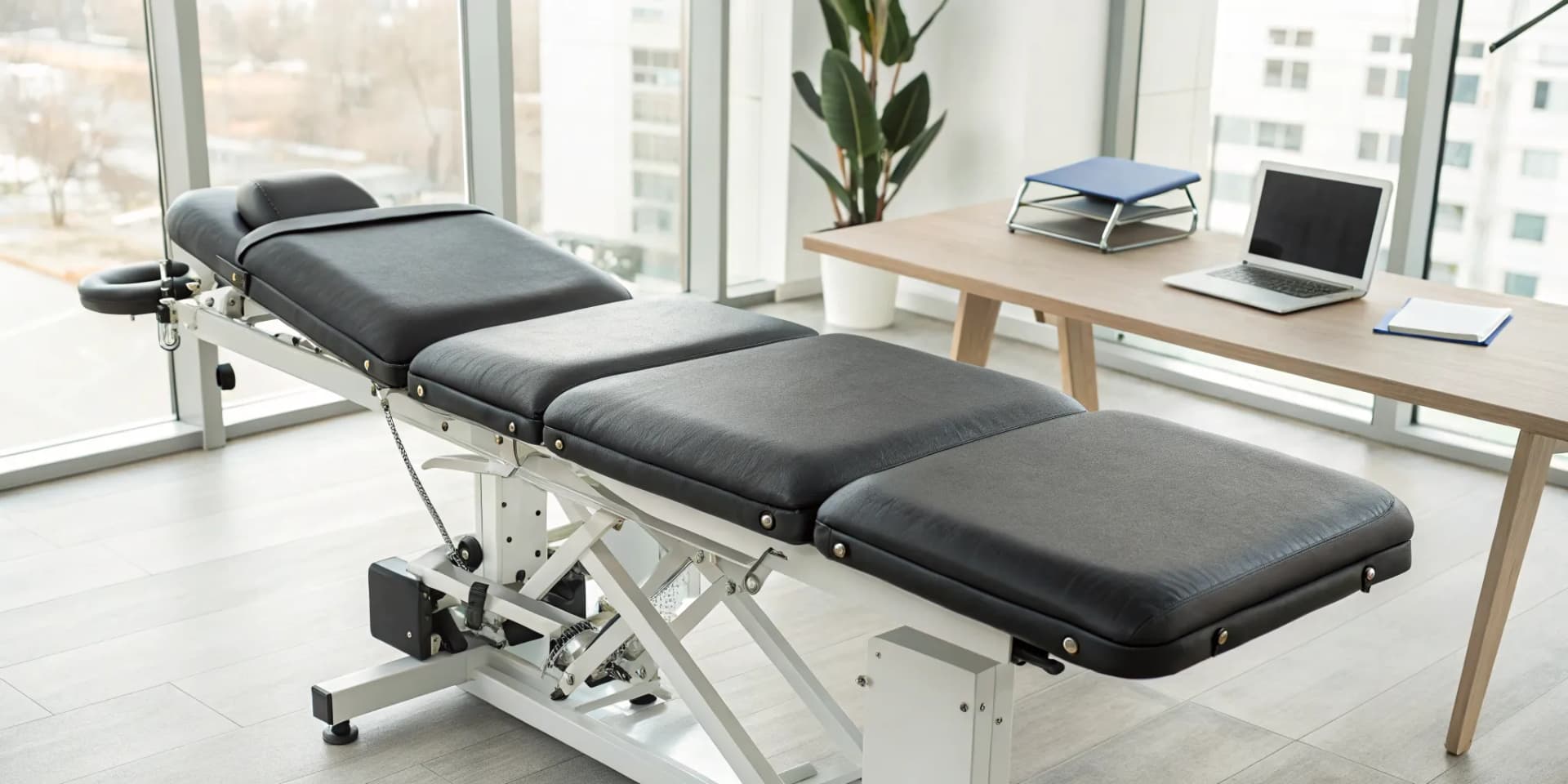
At its core, a spinal decompression table is engineered to gently stretch the spine. The magic happens through sophisticated, computerized technology that creates negative pressure within the spinal discs. Imagine a vacuum effect that helps retract bulging or herniated disc material, taking pressure off pinched nerves. A typical decompression table has two distinct parts that move independently. This allows the system to apply a precise, controlled force to targeted segments of the spine. Unlike simple traction, this process is highly specific, ensuring the body’s natural tendency to guard and resist the pulling motion is bypassed, allowing for a much more effective and comfortable treatment session for your patient.
Your Equipment Options: A Cost Breakdown
When you start looking into spinal decompression tables, you’ll quickly see that the options, and their prices, vary widely. The technology inside the table is the biggest factor driving the cost. Your choice here is a significant business decision, as it impacts everything from the patient experience and clinical outcomes to your initial investment and long-term profitability. You can find everything from basic mechanical tables to highly advanced, computerized systems. Understanding the differences between them is the first step in deciding which equipment aligns with your practice goals and financial strategy. Let's break down the main categories you'll encounter.
Mechanical traction tables
Mechanical traction tables are the most straightforward and budget-friendly entry into decompression services. These tables typically range from a few thousand dollars for basic models. They operate on a simpler mechanical principle to apply a static pulling force to the spine. While they can provide some relief, they lack the sophistication of their computerized counterparts. They don't have the feedback mechanisms to adjust the pull in real-time, which can sometimes trigger the body's natural muscle guarding response. Think of this as a solid starting point, but it’s important to weigh the lower upfront cost against the potential for more advanced clinical results offered by other systems.
Computerized decompression systems
This is where spinal decompression technology truly shines. High-tech tables, like the DRX9000 or SpineMed, use advanced computer systems to deliver precise and customized treatment. These systems can monitor your patient’s body in real-time and adjust the pull force fractions of a second at a time. This responsive approach helps ensure the treatment targets the exact spinal segment needing care with an accuracy older models simply can't match. While the initial investment is higher, these systems support a premium cash-pay service and align perfectly with a business model built on delivering superior patient outcomes with state-of-the-art technology.
Cox flexion-distraction tables
Cox flexion-distraction tables represent another excellent, and distinct, approach. This technique involves a chiropractor manually applying gentle, targeted pressure while the table flexes and distracts the spine in a rhythmic motion. From a business perspective, one of the biggest advantages is how it's billed. Because it's considered a form of spinal manipulation, it often uses standard CPT codes. This means it may be covered by insurance in the same way as a typical chiropractic adjustment. This can make it a more accessible option for patients and a financially attractive service to integrate into your practice, especially as demand for chiropractic care continues to rise.
Why Add Spinal Decompression to Your Practice?
As a clinic owner, you're always looking for ways to grow your practice, improve patient outcomes, and build a more sustainable business. Adding new services is a key part of that evolution. Spinal decompression therapy isn't just another piece of equipment to fill a room; it's a strategic investment that can transform your clinic. It directly addresses some of the most common and debilitating patient conditions, like herniated discs, sciatica, and degenerative disc disease, with a modern, non-invasive approach.
Integrating this therapy allows you to offer a more comprehensive suite of services, setting your practice apart from competitors who may only offer manual adjustments. It’s a powerful way to meet the growing patient demand for effective, non-surgical solutions. For you, the practice owner, this translates into three major benefits: attracting a new segment of patients, improving the loyalty of your current ones, and opening up a significant new source of income. This aligns perfectly with a forward-thinking business model focused on diversified services and exceptional patient care.
Attract New Patients with a Non-Invasive Option
Many potential patients are actively searching for relief from chronic back pain but are hesitant to consider surgery. Spinal decompression therapy is the answer they're looking for. You can market it as a safe, gentle, and highly effective alternative to invasive procedures. This service immediately broadens your appeal to a new demographic of patients who may have previously thought their only options were medication or going under the knife. By explaining that the therapy works by carefully stretching the spine to relieve pressure on discs, you make the treatment feel approachable and understandable. This non-invasive positioning is a powerful tool for your marketing and can significantly increase your new patient inquiries.
Increase Patient Satisfaction and Retention
Delivering exceptional results is the cornerstone of patient retention. When patients experience real, lasting relief, they become your most loyal advocates. Spinal decompression offers a path to significant pain reduction and improved quality of life, often with better outcomes and fewer risks than surgical alternatives. A patient who comes to you and avoids a costly, difficult surgery is a patient who will trust your practice for life. This high level of satisfaction not only keeps them coming back for their own care but also turns them into a source of enthusiastic referrals. This focus on outstanding results is a core part of thriving in a rich franchisee culture centered on patient success.
Create a New Revenue Stream
From a business perspective, adding spinal decompression is a clear winner. It introduces a premium, cash-based service that can substantially increase your clinic's revenue. While the initial equipment is an investment, the return can be significant. A complete multi-week treatment program can generate thousands of dollars per patient. This creates a predictable and profitable income source that complements your existing adjustment and rehab services. By incorporating it into your practice, you are not just adding a treatment; you are diversifying your clinic’s financial foundation with one of several potential unique revenue streams that can secure your long-term growth.
What Does Spinal Decompression Equipment Cost?
Adding a new service to your practice always comes with questions about the bottom line. When it comes to spinal decompression, the equipment is the biggest line item, but it’s not the only cost to consider. Thinking through the full financial picture, from the initial purchase to ongoing operations, is the first step in building a profitable new revenue stream for your clinic. Let's break down the key costs you can expect.
The Upfront Investment: Mechanical vs. Computerized
Your largest initial expense will be the decompression table itself, and the price can vary significantly. Basic mechanical traction tables are the most affordable entry point. However, advanced, computerized systems offer a higher level of care with features that adapt to a patient's response in real-time, targeting specific spinal segments with incredible accuracy. These high-tech tables are a serious investment, with costs ranging from $80,000 to over $100,000. While the price tag is higher, this advanced technology is a cornerstone of a modern clinic and can justify a premium, cash-based service model. This investment can be a key part of creating the diversified income that sets your clinic apart.
Financing and Leasing to Manage Upfront Costs
That initial six-figure investment might feel daunting, but you don’t have to pay for it all at once. Most equipment vendors and financial institutions offer financing or leasing options specifically for medical equipment. This allows you to get a top-of-the-line, computerized table into your clinic with a manageable monthly payment instead of a massive capital outlay. Breaking the cost down this way makes it much easier to cash flow the purchase as you begin to generate revenue from the new service. Thinking about the total franchise cost and how equipment fits into it can help you plan your financial strategy from day one, ensuring the investment is sustainable for your business.
Don't Forget Ongoing Costs: Maintenance and Repairs
The purchase price is just the beginning. Like any sophisticated piece of machinery, spinal decompression tables require regular maintenance to perform correctly and safely. You should budget for annual service contracts, potential repairs, and replacement parts like harnesses and cables. These ongoing costs are part of the operational budget for the service. Beyond the table itself, you also have to account for other operational expenses, including the physical space the table occupies in your clinic, staff salaries, and utilities. A strong franchise support system can provide you with the operational checklists and best practices to manage these costs effectively, so there are no surprises down the road.
Factoring in Staff Training and Certification
To get the best clinical outcomes and command a premium price for your services, your team needs to be expertly trained. Proper training and certification on your specific decompression table are essential for both safety and efficacy. Providers with advanced certifications often see better results, which builds patient trust and justifies higher service fees. This training is an investment in your team and your brand. You should also consider how you’ll integrate decompression with other treatments like heat therapy or targeted exercises. A comprehensive approach not only improves patient outcomes but also positions your clinic as a leader in holistic, non-invasive spine care.
Will Insurance Cover Spinal Decompression?
One of the most common questions clinic owners have before investing in this equipment is about insurance reimbursement. The straightforward answer is that spinal decompression is primarily a cash-based service. While this might seem like a hurdle, it actually creates an opportunity to build a new, predictable revenue stream that you control completely, free from the complexities and delays of insurance claims.
By positioning spinal decompression as a premium, out-of-pocket service, you can create transparent treatment packages that patients understand and value. This approach puts you in charge of your pricing and profitability. It also aligns perfectly with a model that diversifies your clinic’s income beyond adjustments. With the right strategy, a cash-pay service can become one of your most profitable offerings, helping you build a stronger, more resilient practice. This is a key part of the HealthSource business model, which focuses on creating multiple avenues for growth.
The Insurance Hurdle: Why Claims Often Get Denied
If you’re used to an insurance-based model, you might wonder why spinal decompression is different. The main reason is that most major insurance providers, including Medicare, consider the therapy to be "experimental" or "investigational." Because of this designation, they consistently deny claims, arguing there isn't enough proof that it works. This stance forces most patients to pay for the treatment entirely out-of-pocket. Instead of fighting a losing battle with insurance companies, the most successful chiropractors accept this reality and build their service model around it from day one.
How to Build a Successful Cash-Pay Model
Embracing a cash-pay model for spinal decompression gives you full control over your pricing and profitability. This service is a perfect fit for one of your clinic's seven unique revenue streams. Since a full treatment program can range from $2,000 to over $8,000, you can create packages that offer significant value to patients while generating predictable income for your clinic. This model simplifies billing, eliminates accounts receivable from insurers, and allows you to focus on what matters most: patient outcomes. By offering flexible payment plans or financing options, you can make the treatment accessible to more people who need it.
Setting Clear Patient Expectations on Costs
Transparency is everything in a cash-pay model. Patients need to understand the full scope of their investment before they commit. Be prepared to explain that a typical treatment plan involves 20 to 28 sessions over six to eight weeks. Clearly outlining the session frequency and total cost upfront helps manage expectations and builds trust. When patients see the complete plan and understand the value, they are more likely to follow through and achieve the best possible results. This clear communication prevents surprises and reinforces your role as a trusted partner in their health journey.
How to Calculate Your Equipment's ROI
Adding a significant piece of equipment to your practice is a big decision, and you need to know if the numbers make sense. Calculating your return on investment (ROI) isn't just an academic exercise; it's the business plan for your new service. It helps you understand how this investment will impact your clinic's financial health, how long it will take to become profitable, and what you need to do to make it a success. By walking through these numbers beforehand, you can move forward with confidence, knowing you have a clear path to profitability. Let's break down how to do it, step by step.
The Simple ROI Formula to Start With
Before you get lost in the details, start with the basic ROI formula: (Net Profit / Cost of Investment) x 100 = ROI. Your "Cost of Investment" is primarily the price of the decompression table itself, which can range from a few thousand dollars to well into the six figures for advanced systems. Your "Net Profit" is the revenue you generate from the service minus all associated costs. This simple calculation gives you a percentage return, offering a quick snapshot of the investment's potential. Think of it as your starting point. We'll refine the "profit" and "cost" figures in the next steps to get a much more accurate picture.
Estimate Your Patient Volume and Visit Frequency
Your revenue potential hinges on how many patients will use the service. Start by looking at your current patient files. How many individuals have conditions like herniated discs, sciatica, or degenerative disc disease that would make them ideal candidates? From there, estimate a realistic number of patients you could treat each month. Research shows most patients require a course of 20 to 28 sessions for effective results. This visit frequency is a key part of your calculation. As you build your projections, consider the growing demand for chiropractic services and how a specialized offering like spinal decompression can attract new people to your clinic.
Project Your Potential Revenue
Once you have an idea of patient volume and visit frequency, you can start projecting your revenue. The cost per spinal decompression session typically ranges from $50 to $250. Your pricing will depend on your market, but let's use an example. If you treat just five new decompression patients a month, and each completes a 20-session care plan at $100 per session, that’s $10,000 in new monthly revenue. This top-line number is exciting, but it's just one piece of the puzzle. This new service becomes one of your clinic's core revenue streams, creating a more stable and diversified business model.
Account for Hidden and Opportunity Costs
Gross revenue doesn't equal profit. To get an accurate ROI, you must subtract all the costs associated with offering spinal decompression. Beyond the machine's price tag, think about maintenance contracts, marketing materials to promote the service, and any additional staff training. Will you need to allocate more space in your clinic, potentially increasing rent? Also, consider costs passed to the patient that can affect their decision, like required MRIs or supplements. Having a partner that provides comprehensive franchise training and support can help you anticipate and manage these operational expenses more effectively.
What's a Realistic Break-Even Timeline?
Your break-even point is when your total revenue from spinal decompression equals your total investment. To calculate this, divide your total investment cost by the net monthly profit you projected. For example, if your total setup cost is $40,000 and you project a net profit of $5,000 per month, your break-even timeline is eight months. Remember that more expensive equipment doesn't always guarantee better outcomes, but it will extend your break-even timeline. A structured chiropractic business model can provide the systems you need to reach profitability faster and more predictably.
KPIs to Measure Your Financial Impact
Once your spinal decompression equipment is up and running, you need a clear way to track its performance. Calculating a final ROI is important, but the real magic is in monitoring key performance indicators (KPIs) along the way. Think of these as your financial vital signs. They tell you what’s working, what’s not, and where you can make adjustments to improve profitability and patient care. By keeping a close eye on these specific metrics, you can move from simply hoping for a good return to strategically building one. Let’s look at the four most important KPIs for measuring the impact of your new equipment.
Patient Acquisition and Retention
Spinal decompression therapy can be a powerful magnet for your clinic. It’s essential to track how many new patients come to you specifically for this service. You can do this by adding a simple question to your intake forms. This data shows you how effective your marketing is and confirms the demand for advanced chiropractic services in your area.
Beyond attracting new faces, consider its effect on retention. Are existing patients with chronic issues staying with you longer because you now offer a solution they couldn't get before? High patient satisfaction with decompression often translates into better loyalty and more word-of-mouth referrals. When patients feel better and see tangible results, they become your most enthusiastic advocates, which is a priceless return.
Revenue Per Patient and Per Session
To understand the direct financial return, you need to track revenue on both a macro and micro level. Start by calculating the average revenue per decompression patient. This includes the entire treatment package, which might bundle decompression with adjustments and other therapies. This KPI gives you a clear picture of the total value each new decompression patient brings to your clinic. It also helps you refine your pricing and package strategies over time.
Next, drill down to revenue per session. This straightforward metric helps you monitor the equipment’s direct cash flow. Tracking this allows you to see how your pricing compares to your operational costs per session. This data is crucial for ensuring your cash-pay model is sustainable and profitable, fitting perfectly into a strategy of building multiple unique revenue streams.
Equipment Utilization Rate
Your spinal decompression table is a significant asset, and it only generates revenue when it’s being used. The equipment utilization rate measures how much of its available time is spent treating patients. To calculate it, divide the total hours the table is in use by the total hours it’s available during clinic operations. A low rate might signal a need to improve your internal marketing, patient education, or scheduling processes.
A high utilization rate, on the other hand, indicates strong patient demand and efficient workflow. Aiming for a healthy utilization rate ensures you’re getting the most out of your investment and accelerating your path to breaking even. This focus on operational efficiency is a core component of a scalable chiropractic business model.
Patient Outcomes and Satisfaction
Ultimately, your financial success is tied directly to your clinical success. Tracking patient outcomes is arguably the most critical KPI. Are your patients experiencing a measurable reduction in pain and an increase in mobility? Use standardized pain scales and functional questionnaires before, during, and after the treatment plan to gather objective data. This information validates the effectiveness of your services and builds immense trust.
Happy patients who achieve their health goals are the foundation of a thriving practice. Their positive experiences lead to glowing reviews and consistent referrals. You can gather this feedback through simple automated surveys. These powerful testimonials become your best marketing tool, proving that your investment in advanced technology delivers life-changing results for your community.
Don't Overlook These Operational Costs
When you’re focused on the price tag of a new decompression table, it’s easy to let other expenses slip through the cracks. But your ROI calculation is only as good as the data you put into it. A complete picture must include the ongoing operational costs required to run the service successfully. These day-to-day expenses for facility use, marketing, and administration will directly impact your break-even timeline and overall profitability. Thinking through these costs upfront helps you create a more accurate financial forecast and a smarter business strategy.
Facility Overhead and Space
That new decompression table needs a home, and that space isn't free. You’ll need to dedicate a treatment room, which adds to your clinic's overhead through rent and utilities. The cost of running your clinic can vary dramatically by location, so it’s important to factor in your specific market conditions. Beyond just the physical footprint, consider any modifications needed to the room to accommodate the equipment or create a relaxing patient environment. These facility costs are a fixed part of offering decompression therapy, so be sure to include them in your monthly expense projections from day one.
Marketing and Patient Acquisition
Simply buying the equipment won't automatically bring patients through the door. You need a dedicated marketing plan to attract people who can benefit from spinal decompression. Some equipment manufacturers even bundle promotional materials with a purchase, but a few posters won't cut it. You need a real strategy for patient education and acquisition, whether through digital ads, email campaigns, or internal promotions. Calculating your patient acquisition cost for this new service is critical for understanding its true financial performance and is a key part of the HealthSource business model.
Admin and Billing
The administrative workload for a multi-session service like spinal decompression is more involved than a standard adjustment. Your front desk team will be scheduling a series of 12 to 20 appointments, managing package payments, and handling patient questions. Since this is often a cash-based service, your team needs to be confident in explaining the costs and payment options. This requires specific training and streamlined billing processes to ensure a smooth patient experience and consistent cash flow for the clinic. Properly managing this new service is key to making it one of your strong revenue streams.
Factors That Drive Profitability
Simply buying a spinal decompression table won't automatically make your practice more profitable. The real financial return comes from how you strategically implement this service. Your success depends on a few key business decisions that go far beyond the equipment itself. When you get these factors right, spinal decompression can become a significant and reliable part of your clinic’s financial health. Let’s look at the three biggest drivers of profitability.
Your Location and Patient Demographics
Where your clinic is located plays a huge role in what you can charge and how you position your services. A practice in a dense urban center will have different operating costs, from rent to staff salaries, compared to one in a suburban or rural area. These costs naturally influence your pricing. More importantly, your local patient demographics determine the demand for a premium service like spinal decompression. Understanding your community’s needs and financial capacity helps you set prices that are both fair and profitable, ensuring you can attract patients who are ready to invest in their health.
Your Pricing and Package Strategy
Setting a price for spinal decompression isn't as simple as picking a number. With sessions ranging from $50 to over $200, your strategy matters. Most patients require a series of 15 to 30 treatments for the best results, so think in terms of care plans, not single sessions. Creating packages encourages patient commitment and provides predictable cash flow for your clinic. This approach transforms spinal decompression from a one-off service into one of your clinic's core revenue streams. It allows you to build a sustainable, cash-based model that gives patients a clear path to recovery and gives your practice a stable financial foundation.
How You Integrate It with Other Treatments
Spinal decompression is most effective when it’s part of a comprehensive treatment plan. You can deliver far better outcomes by combining it with other therapies like chiropractic adjustments, cold laser therapy, or corrective exercises. This integrated approach not only improves patient results but also increases the value of your care. When patients see faster and more lasting relief, they understand the value of your program. This is central to the HealthSource business model, which focuses on providing complete wellness solutions. Bundling services allows you to create premium, high-value packages that patients are happy to pay for out-of-pocket.
Ready to Scale? Taking Decompression to Multiple Clinics
Once you’ve mastered spinal decompression in your clinic and seen the financial and clinical rewards, the next logical question is: What’s next? For many ambitious practice owners, the answer is expansion. Taking your successful model and replicating it across multiple locations can create a much larger business and a more valuable asset for your future. However, scaling isn’t as simple as just opening a second clinic. It requires a completely different mindset, one focused on building replicable systems that can deliver consistent results, whether you’re physically present or not. This is where the transition from practitioner to true business owner happens.
Create Systems for Consistent Results
When you have one clinic, you are the system. Your personal touch ensures quality and a great patient experience. But that approach doesn’t scale. To successfully open multiple locations, you need documented, repeatable processes for everything from patient intake to the decompression treatment itself. This consistency builds a trustworthy brand. Think about the equipment you use. If one clinic has a basic mechanical table and another has an advanced computerized system, you’re not delivering the same standard of care. Patients talk, and that inconsistency can damage your reputation. Creating a uniform clinical and operational playbook ensures every patient receives the same high-quality experience, which is the foundation for sustainable growth across multiple clinics.
How a Franchise Model Simplifies Scaling Your ROI
Trying to build scalable systems from scratch is a massive undertaking. You have to figure out everything: which equipment to buy, how to train staff remotely, how to market in a new territory, and how to manage different overhead costs. This is where a franchise model offers a significant advantage. A proven franchise provides the entire playbook, from clinical protocols to marketing campaigns. With a model like HealthSource, you get access to a comprehensive business system that has already ironed out the kinks. This allows you to sidestep the trial-and-error phase of expansion, giving you a clear path to replicating your success and simplifying the financial projections for your next location.
Related Articles
- Seven Unique Revenue Streams for Your Clinic
- What Is a HealthSource Franchise?
- Demand for Chiropractic Health Services
- How Much Does a HealthSource Chiropractic Franchise Cost?
- HealthSource Franchise Training and Support
Frequently Asked Questions
Is a computerized decompression table really worth the high price tag compared to a simple traction table? That’s a great question, and it comes down to your long-term goals. A basic mechanical table can get you started, but a computerized system is a different class of technology. It uses sophisticated feedback loops to sense and bypass your patient’s muscle guarding response. This allows for a deeper, more targeted, and more comfortable treatment. From a business perspective, this advanced technology supports a premium, cash-pay service model and delivers the kind of results that build a strong reputation and generate referrals.
How can I get patients to agree to a cash-pay treatment plan that costs thousands of dollars? It all comes down to communicating value and building trust. Instead of focusing on the total price, you should frame it as an investment in avoiding a much more costly and invasive surgery. When you present a clear, comprehensive care plan that outlines the entire process, patients see a path to recovery, not just a bill. Offering flexible payment plans can also make the decision easier. When a patient understands the life-changing potential of the therapy, the cost becomes a secondary concern to the outcome.
Besides the table, what's the biggest hidden cost I should plan for? Many clinic owners focus so much on the equipment that they forget about marketing. Simply having the table in your clinic isn't enough; you need a dedicated strategy to attract the right patients for it. You should budget for marketing efforts like digital ads, patient education materials, and internal campaigns to promote the service. This investment in patient acquisition is just as critical as the table itself for ensuring your new service is successful and profitable from the start.
How long will it realistically take to start making a profit from this service? Your break-even timeline depends entirely on your numbers, but you can map it out. Start by calculating your total investment, including the table, training, and initial marketing. Then, project your net monthly profit by estimating how many patients you can treat and subtracting your ongoing operational costs. For example, if your total investment is $80,000 and you net $8,000 a month, you’ll break even in ten months. A more expensive table will extend this timeline, so it’s important to run the numbers for your specific situation.
Can I just offer decompression by itself, or does it need to be part of a bigger plan? While you could offer it as a standalone service, you’ll see far better clinical and financial results by integrating it into a comprehensive care plan. Combining decompression with chiropractic adjustments, laser therapy, or targeted exercises creates a synergistic effect that helps patients get better faster and stay better longer. This integrated approach allows you to create high-value packages that justify a premium price, and more importantly, it delivers the superior outcomes that will make patients your biggest advocates.


