
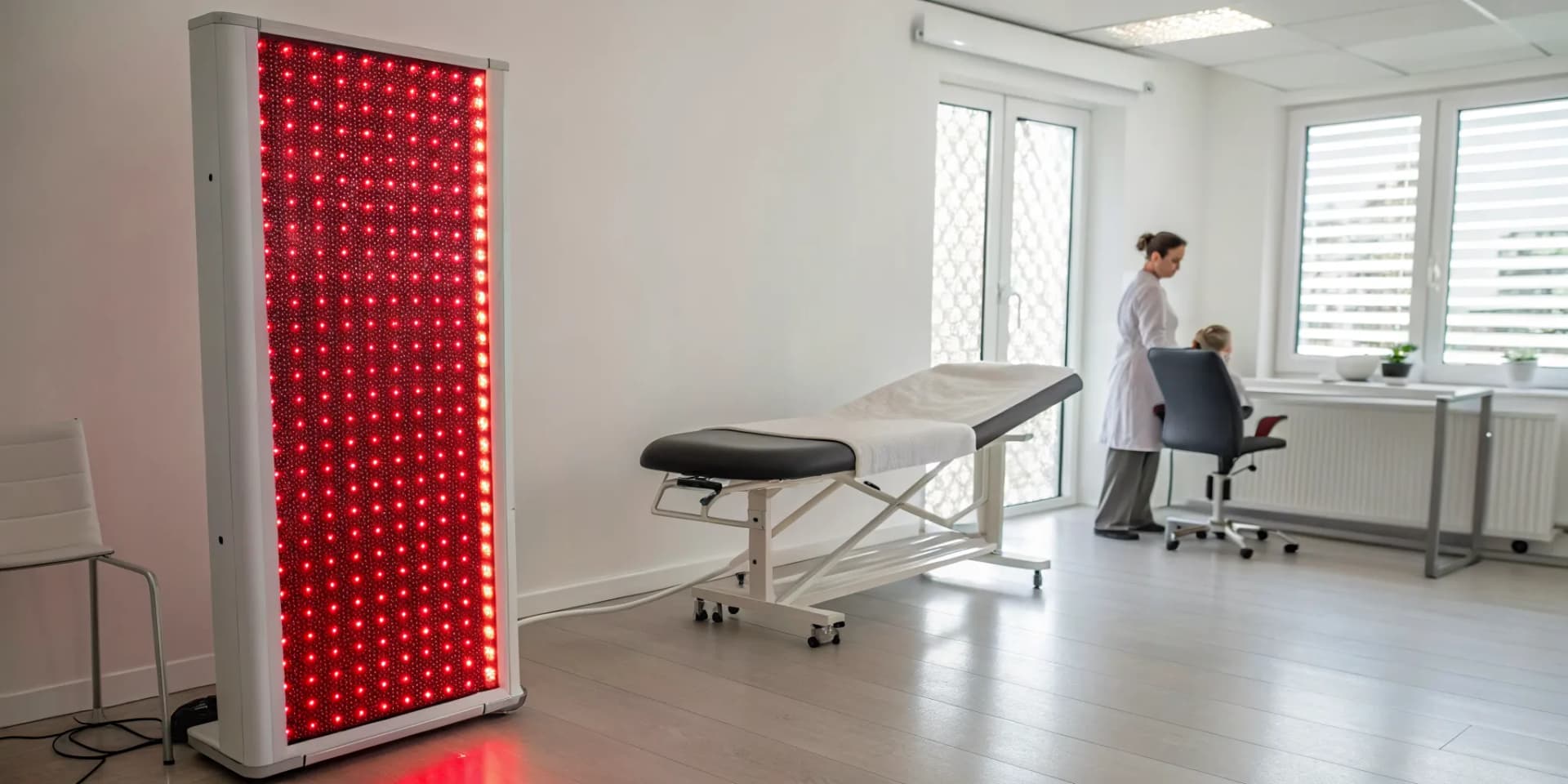
Red Light Therapy Benefits: A DC's Clinical Guide
26 Min ReadHealthSource Chiropractic
The best patient outcomes often come from a synergistic approach, where different modalities work together to amplify healing. Think of red light therapy as the perfect partner to your chiropractic adjustments. It helps relax muscles before a session, making your work more effective, and reduces inflammation afterward, accelerating recovery. This powerful combination allows you to address patient issues from multiple angles, leading to faster, more significant results. This guide explores the key red light therapy benefits and shows you how to seamlessly integrate this modality to enhance your adjustments, improve mobility, and provide a more holistic and effective healing experience for every patient.
Key Takeaways
- Amplify your adjustments with RLT: Using red light therapy before a session helps relax muscles for smoother, more effective adjustments. Applying it afterward reduces inflammation and supports faster recovery, creating a powerful synergy with your hands-on care.
- Expand your care and create a new revenue stream: Integrating red light therapy allows you to treat a wider range of patient concerns, from chronic pain to skin health. This enhances patient care and establishes a valuable, in-demand service for your practice.
- Position yourself as the expert: At-home devices cannot match the power and precision of clinical-grade equipment needed for true therapeutic results. Educating patients on this difference reinforces your expertise and highlights the value of professional treatment.
What Is Red Light Therapy and How Does It Work?
As a chiropractor, you’re always looking for effective, non-invasive ways to improve patient outcomes. Red light therapy (RLT) is a fantastic tool that fits perfectly into a modern chiropractic practice. It’s a therapeutic technique that uses low-level red light to address a variety of conditions, from skin issues to muscle pain. Think of it as a way to supercharge the body's natural healing processes at the cellular level. By adding services like RLT, you can enhance patient care and create a more robust practice, which is a core part of the HealthSource model that helps you build seven unique revenue streams. But before you can explain the benefits to your patients, it’s important to understand the science behind how it all works.
Understanding Photobiomodulation
At its core, red light therapy works through a process called photobiomodulation (PBM). It might sound complicated, but the concept is straightforward. Specific wavelengths of light penetrate the skin and are absorbed by mitochondria, which are the tiny powerhouses inside our cells. This absorption gives the cells more energy, helping them repair skin, generate new cells, and function more efficiently. According to research, this process kick-starts important cell processes, like increasing the production of adenosine triphosphate (ATP), which is the primary energy currency of the cell. More ATP means your cells have more fuel to perform their jobs, whether that’s reducing inflammation, repairing tissue, or producing collagen.
Red Light vs. UV Light: What's the Difference?
One of the first questions patients might ask is, "Is this like a tanning bed?" It’s a great question and an important distinction to make. The answer is a firm no. Red light therapy is completely different from treatments that use ultraviolet (UV) light, such as tanning beds or natural sunlight. RLT uses wavelengths in the red and near-infrared spectrum, which are visible and non-damaging to the skin. Unlike UV rays, red light does not harm your skin or increase the risk of skin cancer. This makes it a safe and gentle option for regular use, allowing you to offer patients a therapy that heals without causing harm.
Why Wavelength Matters for Results
Not all light is created equal, and the specific wavelength used in RLT is critical for achieving therapeutic results. The most effective treatments use red light (typically 620–700 nm) and near-infrared light (700–1440 nm). Why these specific ranges? Because they exist in a "therapeutic window" where the light can penetrate skin, muscle, and other soft tissues effectively without being absorbed by water or blood. Red light is excellent for skin-level issues like wrinkles and acne, while near-infrared light penetrates deeper to target muscle soreness, joint pain, and inflammation. Understanding this helps you select the right protocols and devices to deliver predictable, effective outcomes for your patients.
What Does the Research Say?
As a practitioner, you know that evidence-based care is the gold standard. Your patients trust you to recommend treatments that are not only effective but also backed by solid science. When considering new modalities for your clinic, it's natural to ask, "What does the research say?" The good news is that red light therapy (RLT) isn't just a wellness trend; it has a growing body of research behind it that validates its use for a wide range of clinical applications. From established dermatological benefits to exciting new possibilities in pain management and mental well-being, the science supports what many clinicians are already seeing in practice.
This foundation of research is crucial. It gives you the confidence to recommend RLT and the language to explain its mechanisms to patients who are curious about how it works. Understanding the science allows you to move beyond anecdotal evidence and provide clear, well-supported reasons for why this modality can be a powerful addition to your clinic. It's about delivering the comprehensive, results-driven care that sets a HealthSource franchise apart from a typical practice. By staying informed on the latest studies, you position your clinic at the forefront of patient care, ready to incorporate innovative treatments that genuinely improve outcomes. Let’s look at what the studies show.
Proven Benefits Backed by Science
The most established research on red light therapy centers on its effects on the skin and cellular health. At its core, RLT works by using low-wavelength red light to stimulate cellular function and increase energy production within the mitochondria. According to the Cleveland Clinic, this process is widely used to increase collagen production, which can improve skin texture and reduce the appearance of fine lines and wrinkles. This same mechanism helps reduce inflammation and accelerate wound healing. For patients with inflammatory skin conditions like psoriasis or eczema, studies show that RLT can be a valuable tool for managing their symptoms and improving their quality of life.
Promising Research on the Horizon
The synergy between red light therapy and chiropractic care is an especially exciting area of study. While more research is always welcome, current evidence suggests that combining these modalities can lead to better patient outcomes. For example, a review in the Journal of Clinical and Aesthetic Dermatology highlighted RLT's effectiveness in promoting tissue repair and reducing inflammation. When you think about it, these benefits directly amplify the effects of chiropractic adjustments by helping to calm irritated tissues and support the body's natural healing processes after an alignment. This combination can be a game-changer for patients dealing with chronic musculoskeletal issues.
Exploring New Frontiers: Mood, Sleep, and More
Beyond skin health and pain relief, researchers are exploring how red light therapy can influence other aspects of well-being, including mood and sleep. Some studies suggest that RLT may help stimulate the release of endorphins, which are the body’s natural pain-relieving and mood-lifting substances. This could offer a non-pharmacological option for patients struggling with chronic pain and its emotional toll. Furthermore, there's growing interest in how RLT might affect mood and sleep cycles. While this research is still in its early stages, it points toward a future where RLT could play an even more holistic role in patient care.
What Are the Key Benefits of Red Light Therapy?
Red light therapy is much more than a wellness trend; it’s a versatile clinical tool with a wide range of applications that can significantly enhance patient outcomes. For a modern chiropractic practice, integrating RLT means you can offer more comprehensive care that addresses everything from chronic pain and inflammation to skin health and athletic performance. By expanding your services, you not only improve patient satisfaction but also open up new avenues for practice growth.
This non-invasive modality works at a cellular level to reduce oxidative stress and stimulate energy production, which translates into tangible benefits for your patients. Whether you’re helping someone recover from an injury, manage a chronic condition, or simply feel their best, RLT can be a powerful addition to your treatment protocols. It aligns perfectly with a holistic, patient-centered approach and can become one of your clinic's seven unique revenue streams, setting you apart from other practices in your area.
Rejuvenate Skin and Support Collagen Production
One of the most popular applications of red light therapy is in skin rejuvenation. The specific wavelengths used in RLT penetrate the skin to stimulate dermal fibroblasts, which are the cells responsible for creating collagen. As you know, collagen is the protein that gives skin its structure and elasticity. By increasing the body’s natural collagen production, RLT can help improve skin firmness, reduce the appearance of fine lines and wrinkles, and promote a more even, radiant complexion. This offers a fantastic opportunity to attract patients interested in aesthetic and anti-aging treatments, broadening your clinic’s appeal.
Relieve Pain and Reduce Inflammation
For any chiropractic practice, pain relief and inflammation reduction are at the heart of patient care. Red light therapy is a powerful ally in this area. It helps decrease inflammation, improve blood circulation to damaged tissues, and relax muscles, which can make your chiropractic adjustments more effective and comfortable for the patient. RLT is particularly effective for treating chronic conditions like arthritis, nerve pain, and general musculoskeletal pain. By incorporating it into your care plans, you can offer patients faster relief and support their journey toward long-term wellness, which is central to the HealthSource business model.
Stimulate Hair Growth
Hair loss is a common concern that can significantly impact a person's confidence. Red light therapy offers a non-invasive, drug-free solution for individuals experiencing androgenetic alopecia, or pattern hair loss. Certain FDA-cleared RLT devices use red and near-infrared light to dilate blood vessels in the scalp. This increased blood flow delivers more oxygen and nutrients to the hair follicles, which can stimulate them out of a dormant state and encourage new growth. Offering this service can help you address a widespread patient need and further diversify your clinic’s treatment options.
Speed Up Wound Healing and Tissue Repair
Accelerating the body’s natural healing process is another key benefit of red light therapy. By enhancing mitochondrial function and boosting cellular energy (ATP), RLT helps promote faster tissue repair and regeneration. This is incredibly useful for patients recovering from injuries, surgeries, or even minor cuts and burns. For your chiropractic patients, this means quicker recovery from sprains, strains, and other soft tissue injuries. Integrating RLT post-adjustment or as part of an injury rehabilitation plan can help your patients get back on their feet faster and experience more complete healing.
Improve Athletic Recovery and Performance
Athletes are always looking for an edge, and red light therapy can provide one by optimizing recovery. RLT helps reduce delayed onset muscle soreness (DOMS), decrease inflammation after intense workouts, and repair muscle tissue more efficiently. This allows athletes to train harder and recover faster. The demand for chiropractic care among active individuals is already high, and offering RLT can make your practice the go-to clinic for local athletes. It’s an effective treatment for common sports-related issues like joint pain and tendonitis, helping your patients stay in the game and perform at their peak.
Support Mood, Sleep, and Circadian Rhythms
While more research is emerging, red light therapy shows significant promise for supporting mental wellness and sleep quality. Exposure to red light, especially in the morning, can help regulate the body’s circadian rhythm, which is our internal clock that governs sleep-wake cycles. Better sleep naturally leads to improved mood, cognitive function, and overall health. By offering RLT, you can provide a more holistic service that addresses the interconnectedness of physical and mental well-being, helping patients who struggle with sleep disturbances or seasonal mood changes.
What Skin Conditions Can Red Light Therapy Help?
Red light therapy offers a non-invasive way to address a variety of skin concerns, making it a compelling service for patients seeking holistic wellness solutions. As a chiropractor, you already focus on the body's innate ability to heal, and RLT aligns perfectly with this philosophy. It's not just about surface-level fixes; it's about supporting cellular health to produce visible, lasting results. By incorporating RLT, you can provide patients with a gentle yet effective treatment that complements their overall care plan, expanding your clinic's offerings beyond musculoskeletal adjustments.
From common issues like acne to chronic conditions and the natural signs of aging, photobiomodulation works at a cellular level to restore skin health. This therapy helps improve skin from the inside out, addressing the root causes of many dermatological issues without harsh chemicals or invasive procedures. For your patients, this means access to a cutting-edge treatment that can improve their confidence and well-being. For your practice, it represents another of HealthSource's seven unique revenue streams and a way to solidify your position as a comprehensive wellness center. Let's look at some of the specific skin conditions that can benefit from this technology.
Acne and Breakouts
For patients struggling with acne, red light therapy offers a gentle alternative to harsh topical treatments. It works by helping to regulate sebum production, which can prevent clogged pores, and by reducing inflammation, which calms the redness and swelling associated with breakouts. Research from the Cleveland Clinic highlights its effectiveness in treating mild to severe acne without damaging surrounding tissue. Furthermore, specific wavelengths of light can help kill the Cutibacterium acnes bacteria responsible for many breakouts. This dual action of calming inflammation and addressing the bacterial cause makes RLT a powerful tool for achieving clearer, healthier skin for your patients.
Psoriasis and Eczema
Chronic inflammatory skin conditions like psoriasis and eczema can be frustrating for patients seeking relief. Red light therapy provides a soothing, non-invasive option to help manage these flare-ups. The primary benefit comes from its ability to reduce inflammation, which is a key driver of both conditions. By calming the skin's inflammatory response, RLT can help lessen the redness, itching, and discomfort associated with psoriasis and eczema. Studies are increasingly looking at red light therapy as a supportive treatment for these skin issues. It offers a gentle approach that can be integrated into a patient's long-term management plan, helping to improve their quality of life.
Fine Lines, Wrinkles, and Sun Damage
Many patients are interested in natural ways to maintain youthful skin, and red light therapy is an excellent solution. It directly addresses the structural causes of aging by stimulating dermal fibroblasts, the cells responsible for creating collagen and elastin. Increased collagen improves skin firmness and elasticity, which naturally softens the appearance of fine lines and wrinkles. It also improves circulation, bringing more oxygen and nutrients to the skin to repair damage and promote a healthy glow. This process helps your skin make more collagen and elastin, effectively supporting its natural ability to heal and rejuvenate itself from the effects of sun exposure and time.
How Red Light Therapy Complements Chiropractic Care
As a chiropractor, you’re always looking for ways to deliver better patient outcomes. Integrating red light therapy (RLT) into your practice is a powerful way to enhance the effects of your adjustments and provide a more holistic healing experience. Think of it as a supportive modality that works in tandem with your core chiropractic services. It prepares the body for treatment, aids in pain management, and accelerates the natural healing process.
For clinic owners, adding RLT is also a smart business decision. It can create an additional income source, helping you build a more robust and diversified practice. This aligns perfectly with a model that emphasizes patient-centered care while building a scalable business. By offering services like RLT, you position your clinic as a modern wellness destination, attracting patients who are seeking comprehensive solutions beyond traditional adjustments. This approach not only improves clinical results but also strengthens your practice's financial health by incorporating one of several potential revenue streams. It’s a clear win for both your patients and your bottom line.
Enhance the Effects of Chiropractic Adjustments
One of the most immediate benefits of using red light therapy is its ability to prepare a patient’s body for an adjustment. Applying RLT before a session helps to relax muscles and reduce tension around the joints. When muscles are less guarded and stiff, it becomes easier for you to perform effective and gentle adjustments. This can lead to a more comfortable experience for the patient and potentially better alignment outcomes. It’s a simple step that can make a significant difference, allowing your hands-on work to be even more precise and impactful from the moment the patient is on the table.
Help Patients Manage Musculoskeletal Pain
Many patients seek chiropractic care to find relief from chronic or acute musculoskeletal pain. While adjustments address the structural root of the problem, red light therapy can help manage the symptoms and support the body’s healing response. RLT works at a cellular level to reduce inflammation and stimulate tissue repair, which are key components of pain management. When you combine RLT with your chiropractic sessions, you’re tackling discomfort from two angles. This comprehensive approach can lead to more significant and longer-lasting relief for your patients, reinforcing the value of your care and meeting the growing demand for chiropractic services.
Accelerate Injury Recovery and Improve Mobility
For patients recovering from injuries, whether from sports, accidents, or daily life, getting them back to full function safely and quickly is the goal. Red light therapy can be a fantastic tool for accelerating this process. Research has shown that RLT promotes tissue repair and reduces inflammation, which can shorten recovery times and improve mobility. By incorporating RLT into your treatment plans, you help amplify the benefits of your chiropractic care. This synergy supports faster healing, gets your patients moving better sooner, and demonstrates your commitment to using an advanced, results-driven business model to achieve superior patient outcomes.
Is Red Light Therapy Safe?
When patients ask about a new therapy, their first question is often, "Is it safe?" With red light therapy (RLT), you can confidently answer yes. This non-invasive treatment is generally considered very safe and has been cleared by the FDA for treating conditions like joint pain, inflammation, and wrinkles. Unlike treatments that use UV light, RLT doesn't damage the skin or carry the same risks. It’s a gentle, non-toxic modality that works by stimulating the body's natural healing processes at a cellular level.
Of course, safety always comes down to proper use. The effectiveness and safety of RLT depend on using the correct wavelength, intensity, and duration for the specific condition being treated. When administered correctly, side effects are extremely rare. Patients typically feel a gentle warmth, not a burn. This makes it an excellent complementary service in a chiropractic setting, where patient safety and trust are paramount. By understanding the basic safety protocols and potential contraindications, you can easily add this therapy to your practice and provide patients with another powerful tool for their health and wellness journey. The key is to follow established guidelines and educate your patients on what to expect.
Potential Side Effects and Contraindications
While red light therapy is very safe, it’s important to be aware of potential side effects, which are typically mild and temporary. If a device is used for too long or is held too close to the skin, a patient might experience slight redness or tightness, but this usually fades quickly. It’s a sign that the dosage was a bit too high.
Before starting treatment, you should also screen for contraindications. Patients with photosensitivity, active cancer lesions in the treatment area, or those taking photosensitizing medications should consult their primary physician first. While RLT is safe for most people, a quick patient history check ensures you’re providing the best and safest care. This simple step protects your patients and reinforces your clinic’s commitment to their well-being.
Eye Safety and Other Key Precautions
A common question from patients is whether the bright lights are harmful to their eyes. The direct brightness can be uncomfortable, but the specific wavelengths used in RLT are not known to cause damage to the eyes like UV light can. Still, it's a best practice to protect them.
Always provide patients with FDA-compliant protective eyewear for any treatment near the face. Instruct them not to stare directly into the light source, even for a moment. For patients with a history of eye conditions or eye-related cancers, it's wise to recommend they speak with their ophthalmologist before beginning treatment. These simple precautions are easy to implement and give both you and your patients peace of mind during every session.
Debunking Common Red Light Therapy Myths
As RLT grows in popularity, so do the myths surrounding it. Helping your patients separate fact from fiction builds trust and manages their expectations. One common myth is that more power is always better. In reality, RLT follows a biphasic dose response, meaning there's a sweet spot for treatment. Too much light can actually be less effective than the optimal dose.
Another misconception is that RLT is just a wellness trend without real science behind it. You can point to decades of research and the fact that the technology is used in professional settings and cleared by the FDA. By addressing these myths head-on, you position yourself as a knowledgeable guide who can help patients achieve real, science-backed results.
At-Home vs. Professional RLT: What's the Difference?
As red light therapy gains popularity, your patients will likely come to you with questions about the at-home devices they see online. It’s a great opportunity to guide them. While the basic principle of using light to stimulate cellular activity is the same, there's a significant gap between consumer gadgets and the clinical-grade equipment you can offer in your practice. Understanding these differences is key to managing patient expectations and reinforcing the value of professional care.
The main distinctions come down to the device's power, the precision of its wavelengths, and the level of professional oversight. An at-home mask simply can't replicate the targeted, high-intensity treatment possible with a professional setup. By explaining this, you can help patients make informed decisions and position your clinic as the best source for effective, reliable results. Offering advanced modalities like RLT is a cornerstone of the HealthSource business model, allowing you to provide superior patient outcomes and build a practice that stands apart from the competition. This is how you transform a standard clinic into a comprehensive wellness center that attracts and retains high-value patients.
Comparing Device Power and Wavelengths
When patients ask if their at-home RLT mask is "just as good," the simple answer is no. The difference often lies in the device's power output and energy delivery. Most of the compelling scientific research on RLT was conducted using powerful, professional equipment. These clinical-grade systems deliver a higher density of light energy, which is necessary to penetrate tissues effectively and produce significant therapeutic changes.
Many consumer devices are far less powerful. While they can offer some mild, surface-level benefits over time, they lack the strength to create the profound cellular responses seen in clinical studies. Not all red light therapy devices are created equal, and many at-home options provide only a fraction of the potential benefits. It's a classic case of getting what you pay for.
When to Recommend Professional Treatment
Professional RLT is the clear choice when a patient is seeking therapeutic outcomes for pain, inflammation, or significant tissue repair. When you combine RLT with chiropractic adjustments, you can amplify the healing process. Adjustments restore proper alignment and nervous system function, while RLT works at the cellular level to reduce inflammation and accelerate tissue regeneration. This powerful synergy can help your patients achieve their goals faster.
As a chiropractor, you are uniquely positioned to determine if RLT is right for a patient and to create a safe and effective treatment plan. A professional consultation is essential for anyone looking to use RLT for more than just general wellness. It allows you to assess their condition, set appropriate expectations, and integrate the therapy seamlessly into their overall care plan.
How to Choose a Quality At-Home Device
If a patient is set on buying an at-home device for maintenance or general skin health, you can still provide valuable guidance. First, advise them to look for a device that has been cleared by the FDA. This doesn't guarantee effectiveness, but it does indicate the device has been reviewed for safety. It's important they understand that even an FDA-cleared home device will not be as strong as a professional unit.
Next, tell them to check the wavelengths. For the best results, they should look for a device that uses clinically studied wavelengths, typically between 600 nm and 850 nm. This information should be clearly stated by the manufacturer. By offering this advice, you empower your patients to make smarter choices while reinforcing your role as their trusted health expert.
How to Integrate Red Light Therapy Into Your Practice
Adding Red Light Therapy to your clinic is a straightforward way to enhance patient outcomes and introduce one of the most in-demand wellness services. As a HealthSource franchisee, you’re already focused on providing comprehensive care that goes beyond the adjustment. Integrating RLT is a natural next step that complements your existing services and can become one of your clinic's seven unique revenue streams. This isn't just about adding another piece of equipment; it's about deepening the level of care you offer and creating more opportunities for patient success.
The key is to present RLT not as a separate, isolated service, but as an integral part of your patient’s care plan. It works synergistically with chiropractic adjustments and rehabilitative exercises to help patients feel better faster. When patients see how these different modalities work together, they gain a greater appreciation for your clinic's thorough approach. By positioning RLT as part of a holistic treatment strategy, you reinforce the value you provide and create a more effective, results-driven practice. Let’s walk through the practical steps for bringing this powerful modality into your daily workflow and making it a seamless part of your patient experience.
Establish Treatment Frequency and Duration
When you introduce Red Light Therapy, a common question from patients will be, "How often should I do this?" The answer depends on their specific condition and goals. For acute issues like a recent muscle strain, you might recommend shorter, more frequent sessions of 10 to 15 minutes, three to five times a week. For chronic conditions or general wellness, two to three sessions per week may be sufficient.
A great strategy is to have patients use RLT immediately before their adjustment. The therapy helps relax muscles and reduce inflammation, which can make your adjustments more effective and comfortable for the patient. This pre-adjustment routine also helps accelerate the body’s natural healing processes, addressing both the symptoms and the root cause of their discomfort in a single visit.
Proper Device Positioning for Best Results
To get the most out of each RLT session, proper device positioning is crucial. The light needs to directly target the area of concern to be effective. The device should be placed a few inches away from the bare skin over the joint, muscle, or tissue you’re treating. For example, if a patient is dealing with rotator cuff tendonitis, you would position the light panel to cover the entire shoulder joint.
Explain to your patients that RLT works by delivering specific wavelengths of light that stimulate cellular energy production right where it’s needed most. This targeted approach helps reduce localized pain and inflammation while promoting tissue repair. By ensuring the device is positioned correctly, you maximize the therapeutic dose of light energy delivered to the cells, leading to better and faster clinical results.
Combine RLT with Other Patient Care Modalities
Red Light Therapy shines brightest when it’s part of a multi-faceted treatment plan. It’s not meant to replace your adjustments or rehab protocols but to enhance them. Think of it as a powerful tool that prepares the body for healing and accelerates recovery afterward. Using RLT before an adjustment can make tissues more pliable, while a session after can help soothe any post-treatment soreness and reduce inflammation.
This integrated approach is at the heart of the HealthSource chiropractic and rehab franchise model. By combining RLT with chiropractic care, progressive rehab, and other wellness services, you create a powerful synergy that delivers unmatched patient outcomes. This comprehensive strategy not only helps your patients recover more quickly but also solidifies your clinic’s reputation as a leader in modern, results-oriented healthcare.
Frequently Asked Questions
How do I explain red light therapy to my patients in a simple way? The easiest way to explain it is to compare it to a battery charger for their cells. You can tell them that the red light provides a specific type of energy that their cells use to repair themselves, reduce inflammation, and function more efficiently. This cellular boost helps speed up healing from the inside out, making it a great partner to their chiropractic adjustments.
What's the real difference between a professional RLT device and the at-home ones my patients ask about? The main differences are power and precision. The clinical-grade devices used in a professional setting deliver a much higher concentration of light energy, which is necessary to penetrate deep into tissues for effective pain relief and repair. While at-home gadgets can be fine for minor skin maintenance, they simply lack the strength to produce the significant therapeutic results seen in clinical research for musculoskeletal issues.
What’s the best way to incorporate RLT into a patient’s visit? A fantastic and efficient strategy is to have patients use red light therapy for 10 to 15 minutes right before their adjustment. This helps to relax tense muscles and reduce inflammation in the target area, making the body more receptive to your adjustment. This approach can make the treatment more comfortable for the patient and potentially more effective, as you aren't fighting against as much muscle guarding.
Are there any patients who shouldn't use red light therapy? While RLT is considered very safe for most people, you should always perform a quick screening. It's best to be cautious with patients who have a known sensitivity to light or are taking medications that increase photosensitivity. You should also avoid applying it directly over active cancer lesions. A quick review of a patient's health history is the best way to ensure it's a safe and appropriate choice for them.
How long does it take for patients to see results from RLT? This really depends on the patient and the condition being treated. Some people feel immediate relief from muscle tension and pain after just one session. For more chronic issues or for skin rejuvenation, results are cumulative. These patients will likely need consistent treatments over several weeks to notice significant and lasting improvements. Setting realistic expectations is key.


