
Non-Surgical Decompression Protocols: A Clinical Guide
25 Min ReadHealthSource Chiropractic
The physical demands of being a hands-on chiropractor can take a toll, leaving you with little time to focus on leading your business. Many clinic owners dream of transitioning "off the tables" without sacrificing revenue or patient care. Non-surgical spinal decompression offers a clear path toward that freedom. As a technology-driven therapy, it can be expertly administered by trained staff, allowing you to generate income while you focus on management and growth. This article explains how to implement systemized non-surgical decompression protocols that create a consistent, delegable service, giving you the leverage to build a bigger business and design the professional life you truly want.
Key Takeaways
- Use decompression strategically: This therapy is a powerful tool for specific disc-related conditions like herniation and sciatica, but success depends on careful patient selection. A thorough evaluation, including imaging, is non-negotiable to confirm a diagnosis and ensure the patient is a suitable candidate.
- Combine therapies for superior outcomes: Decompression works best as part of an integrated care plan, not as a standalone treatment. Pairing it with chiropractic adjustments and complementary rehab exercises addresses spinal health more completely, leading to better and more lasting results for your patients.
- Prioritize evidence over marketing hype: While decompression is often promoted with high success rates, the clinical research is still debated. Protect your practice's reputation by critically evaluating the evidence and focusing on building a comprehensive system of care that delivers proven, reliable outcomes.
What Is Non-Surgical Spinal Decompression?
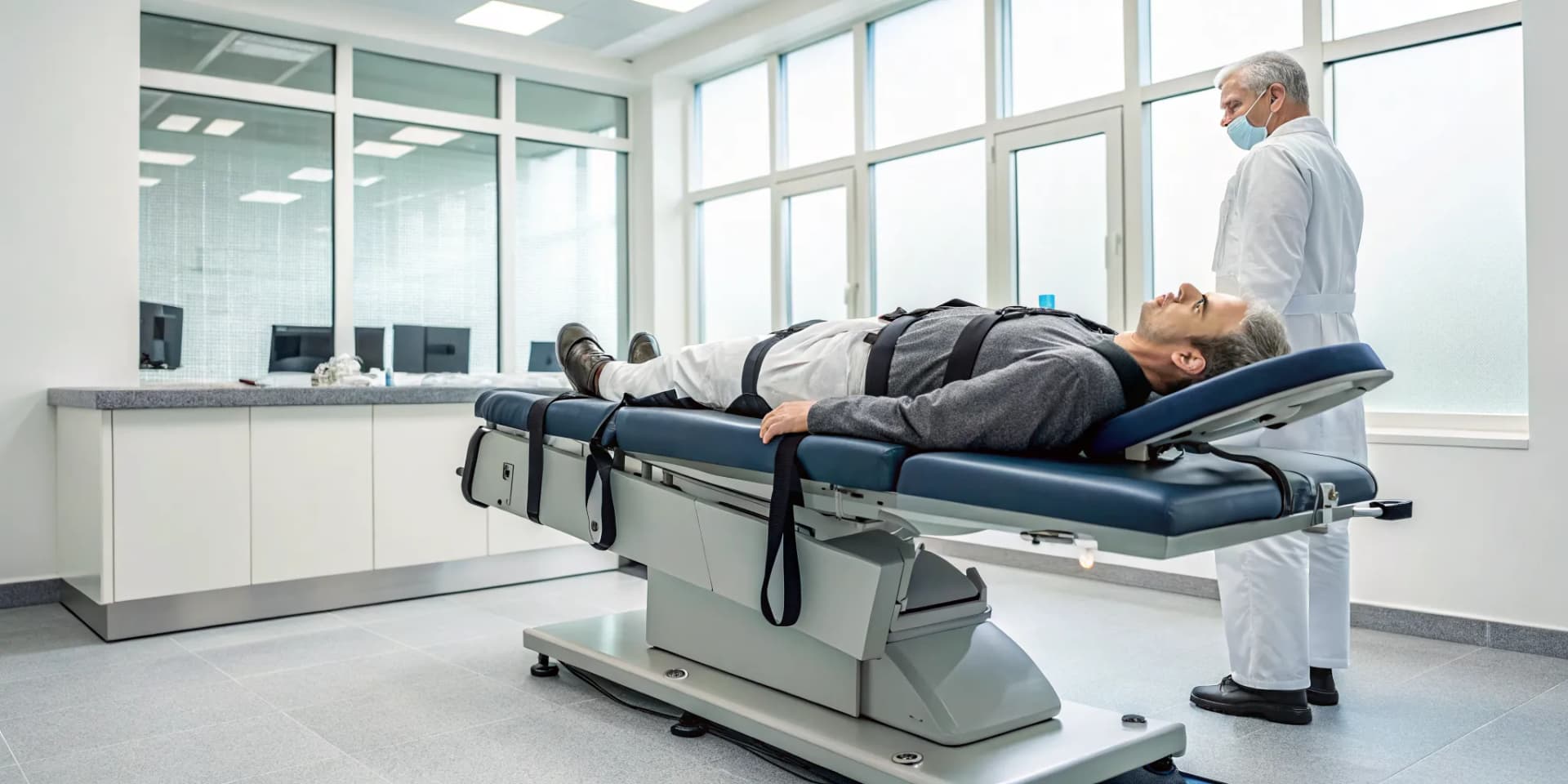
As a chiropractor, you’re always looking for effective, evidence-based ways to help your patients find lasting relief from chronic pain. Non-surgical spinal decompression is a modern, technology-driven therapy designed specifically to treat low back pain and sciatica caused by disc-related issues. It’s a sophisticated treatment that goes beyond a simple adjustment, offering a targeted approach to healing the spine. Using a motorized traction table, the therapy gently and precisely stretches the spine. This controlled movement relieves pressure on compressed discs and nerves, creating an ideal environment for the body to heal itself. It’s a game-changer for patients who haven't found success with other conservative treatments and are looking for an alternative to more invasive procedures.
This treatment can be a significant differentiator for your clinic, providing a powerful, non-invasive solution for patients who are struggling with debilitating pain. Integrating services like spinal decompression is a strategic way to expand your clinical capabilities and create a more comprehensive care model. It aligns perfectly with a patient-centered practice focused on delivering exceptional outcomes and can become one of your clinic's key revenue streams. By offering advanced therapies, you not only improve patient results but also position your practice as a leader in musculoskeletal health, attracting patients who are seeking more than just temporary fixes. This is a core principle of building a resilient and forward-thinking practice.
Decompression vs. Traditional Traction
It’s a common misconception that spinal decompression is just another name for traditional traction, but the two are fundamentally different. While both involve stretching the spine, non-surgical spinal decompression uses advanced, computer-controlled technology to apply precise and intermittent force. This isn't a simple, static pull. The system continuously monitors the body's response and adjusts the traction to prevent muscle guarding and spasms, which can limit the effectiveness of older traction methods. This targeted approach allows for a much more controlled and comfortable session, creating the ideal environment for disc healing. It’s a significant step up, reflecting the kind of modern, results-driven care that defines a HealthSource franchise.
How It Works: The Science of Negative Pressure
The magic of non-surgical spinal decompression lies in its ability to create negative pressure within the spinal discs. Think of it as creating a small vacuum effect inside the disc. As the specialized table gently pulls and releases, it creates space between the vertebrae. This negative pressure can help draw the material from a bulging or herniated disc back into its proper place, taking pressure off pinched nerves. At the same time, this process encourages the flow of water, oxygen, and nutrient-rich fluids into the discs, which is essential for promoting natural healing in these typically low-blood-flow areas. It’s a simple yet powerful mechanism that supports the body’s own restorative processes.
What Conditions Can Decompression Treat?
Non-surgical spinal decompression is a versatile and powerful tool for your clinical toolkit. It’s designed to address the underlying causes of chronic back and neck pain, moving beyond temporary symptom relief to foster long-term healing. For many chiropractors, incorporating this therapy is a game-changer, allowing them to effectively treat some of the most persistent and challenging spinal conditions their patients face. By offering a sophisticated, non-invasive solution, you can expand your scope of care and attract patients who are actively seeking alternatives to medication or surgery.
Adding decompression therapy can be a key part of transforming your clinic into a state-of-the-art wellness center. It aligns perfectly with a model that emphasizes patient outcomes and diversified services, creating new opportunities for practice growth. The demand for comprehensive chiropractic care continues to rise as patients look for holistic solutions to their pain. Decompression directly meets this need by targeting specific, debilitating conditions. Let’s look at four of the most common conditions where non-surgical spinal decompression can make a significant clinical impact: herniated discs, degenerative disc disease, sciatica, and spinal stenosis. Offering this service can become one of your clinic's core revenue streams while delivering exceptional results for your patients.
Herniated and Bulging Discs
Herniated and bulging discs are among the most frequent culprits behind severe back and neck pain, and they are prime candidates for decompression therapy. This treatment offers a gentle, effective method to help patients find lasting relief. As one clinic notes, "Non-surgical spinal decompression therapy is a gentle way to treat long-lasting back and neck pain. It helps bulging or slipped discs go back into place." The therapy works by creating negative intradiscal pressure, which can produce a vacuum effect. This vacuum helps draw the bulging or herniated material back into the disc and away from the affected nerve root. This process not only alleviates pain but also creates an environment where the disc can receive more nutrients and begin to heal.
Degenerative Disc Disease
For patients with degenerative disc disease (DDD), non-surgical spinal decompression offers a way to manage a chronic and often progressive condition. As discs wear down over time, they lose height and hydration, leading to pain and reduced mobility. Decompression therapy directly counters this process. By gently stretching the spine, it reduces pressure on the discs and encourages the flow of water, oxygen, and nutrient-rich fluids. This rehydration can help restore disc height and improve function. It’s an effective way to slow the degenerative process and provide patients with significant pain relief. This treatment can help with many back and neck problems, including the disc wear and tear associated with DDD, making it a valuable long-term management tool.
Sciatica
The radiating pain, numbness, and tingling of sciatica can be debilitating, but spinal decompression offers a direct approach to addressing its root cause. Sciatica is most often the result of a herniated disc or bone spur compressing the sciatic nerve. Decompression therapy focuses on relieving this exact pressure. According to one source, "Spinal decompression therapy can help reduce pressure on spinal structures and support the body’s natural healing processes, particularly for conditions like sciatica." By creating negative pressure and gently separating the vertebrae, the therapy gives the compressed nerve root the space it needs. This can lead to a dramatic reduction in leg pain and other sciatic symptoms, providing patients with a path to recovery without more invasive procedures.
Spinal Stenosis
Spinal stenosis, or the narrowing of the spinal canal, puts pressure on the spinal cord and nerves, causing pain, numbness, and weakness. Non-surgical spinal decompression can be a highly effective treatment for managing these symptoms. The therapy works by gently elongating the spine, which can temporarily widen the space within the spinal canal and foramina. This increase in space helps to relieve the pressure on the compressed nerves. For many individuals suffering from the effects of spinal stenosis, decompression is a safe and effective treatment option. It provides a non-invasive way to manage pain, improve mobility, and enhance overall quality of life, which is central to the HealthSource story of providing personalized wellness solutions.
Common Decompression Protocols
When we talk about non-surgical decompression, we’re not referring to a single method. Instead, it’s a category of treatments that all share the same goal: to gently relieve pressure on the spinal discs and nerves. As a clinician, understanding the different protocols available helps you choose the right approach for your patients and your practice. Each method has its own application, and some can be more effective for certain conditions than others. Let's look at three common protocols you'll encounter.
Mechanical Traction
Mechanical traction is what most people think of when they hear "spinal decompression." This approach uses a motorized table to carefully and precisely stretch the spine, creating negative pressure within the targeted disc. It’s a highly controlled and reproducible treatment, making it a cornerstone of many modern clinics. Research shows that technology-based, non-surgical spinal decompression can lead to significant improvements. One study found patients experienced a 62% reduction in pain and a 45% increase in functional capacity, far surpassing the results of more traditional methods. This is the kind of outcome that not only helps your patients but also builds a strong reputation for your clinic as a place for effective, results-driven care.
Manual Decompression Therapy
Manual decompression involves using your hands to apply a gentle, sustained force to stretch the spine and relieve pressure. This technique allows for a high degree of tactile feedback, letting you feel the patient's response in real time and adjust your technique accordingly. While it may not have the same level of precise, logarithmic pull as a mechanical table, it’s an excellent tool in a skilled practitioner's hands. Studies show that traction, including manual techniques, provides moderate evidence for short-term pain relief in patients with low back pain. Integrating manual decompression can be a valuable part of a comprehensive treatment plan, offering another way to provide personalized care and diversify your services.
Inversion Therapy
Inversion therapy uses gravity to decompress the spine by having a patient hang upside down or at an inverted angle. You’ve likely seen inversion tables advertised directly to consumers for at-home use. The principle is simple: gravity helps create space between the vertebrae, which can offer temporary relief. While some patients report feeling better after using an inversion table, the clinical evidence supporting its long-term effectiveness isn't as robust as it is for mechanical traction. It’s a method worth understanding, as patients may ask about it, but it lacks the control and specificity you get with practitioner-led protocols.
Identify the Right Candidate for Decompression
Spinal decompression can be a game-changer for patients with chronic back pain, but its success hinges on one critical factor: proper patient selection. Not everyone who walks into your clinic with disc-related pain is a good fit for this therapy. Taking a systematic approach to identifying the right candidates not only ensures better clinical outcomes but also protects your patients and solidifies your reputation as a trusted expert. A thorough screening process is a cornerstone of a modern, effective practice.
Think of it as setting the stage for success. When you carefully evaluate who is most likely to benefit from decompression, you create a positive feedback loop. Patients experience significant relief, they trust your judgment, and they become advocates for your clinic. This careful, evidence-based approach is exactly what separates a standard practice from a state-of-the-art clinic built on the industry’s most advanced operating systems. It’s about building a practice that delivers unmatched patient outcomes, which in turn drives sustainable growth and allows you to potentially transition away from physically demanding hours. Before you ever connect a patient to a decompression table, you need to run a complete diagnostic evaluation to determine if they are a suitable candidate for this powerful treatment. This isn't just about clinical best practices; it's a strategic decision that impacts your clinic's long-term success and your professional freedom.
How to Evaluate Patients for Treatment
A comprehensive evaluation is non-negotiable. It’s the only way to confirm that decompression is not only appropriate but also safe for the patient. Your evaluation should always include a few key components. Start by reviewing the patient’s full medical history to identify any past injuries, surgeries, or underlying conditions that might interfere with treatment.
Next, perform a detailed physical exam. This helps you assess their range of motion, neurological function, and specific areas of pain. Finally, use imaging tests to get a clear picture of the spine. An X-ray or MRI can definitively confirm a diagnosis like a herniated disc or degenerative disc disease, giving you the concrete evidence needed to recommend a treatment plan with confidence.
Know the Contraindications
Just as important as knowing who to treat is knowing who not to treat. Spinal decompression is a powerful modality, and it is not suitable for every patient. Certain conditions, known as contraindications, make the therapy unsafe and ineffective. You should always screen patients for these issues before beginning a treatment protocol.
Spinal decompression is generally not recommended for individuals with:
- Severe osteoporosis
- Fractures in the spine
- Spinal tumors or infections
- Abdominal aortic aneurysms
- Surgical hardware or metal implants in the spine
Screening for these conditions is an essential part of your professional responsibility. While the demand for chiropractic care continues to grow, applying treatments appropriately ensures you are helping, not harming, the patients who trust you with their health.
What to Expect During a Decompression Session
When you introduce a new therapy like non-surgical spinal decompression into your clinic, managing patient expectations is key to building trust and ensuring they see the treatment through. Patients will naturally have questions about what a session feels like and how long it will take to see results. Providing clear, confident answers not only eases their minds but also positions you as a knowledgeable expert guiding their recovery. A well-informed patient is more likely to remain committed to their treatment plan, leading to better clinical outcomes and higher satisfaction. This process is a core part of the HealthSource business model, which centers on delivering superior patient care through a comprehensive, systemized approach. Let’s walk through what a typical session and full treatment plan look like so you can prepare your patients for success.
A Look at a Typical Session
For most patients, a decompression session is a surprisingly comfortable and relaxing experience. You’ll have them lie down on a specialized, computer-controlled table designed for this therapy. Once the session begins, the table will gently and slowly stretch their spine, hold for a period, and then relax. This cycle of stretching and relaxation is repeated for the duration of the treatment, which typically lasts between 20 and 45 minutes. The entire process is controlled and monitored to ensure it remains gentle and painless. Many patients report feeling a sense of relief right away, while others simply find the time to be a quiet, restorative break in their day.
Structure a Full Treatment Plan
It's important to communicate that spinal decompression is a therapeutic process, not a single-visit cure. A full treatment plan is necessary to achieve lasting results. A typical protocol involves a series of sessions, usually between 15 and 30, scheduled over four to eight weeks. The exact frequency and number of visits will depend on the patient's specific condition, its severity, and their response to the initial treatments. Emphasizing the importance of sticking to the prescribed schedule is crucial for success. With HealthSource, you receive extensive franchise training and support to help you develop and implement these effective, evidence-based protocols in your own clinic.
The Key Benefits for Your Patients
Patients come to us seeking one thing: results. When we can provide effective, non-invasive solutions for their pain, it transforms their lives and strengthens our practice. Spinal decompression is one of those game-changing services. It allows you to address the root cause of debilitating pain for many patients, offering them a path back to a life they love. By incorporating these protocols, you're not just adding a service; you're expanding your ability to deliver the life-changing outcomes that define a successful modern clinic. The benefits for your patients are clear and compelling.
Pain Relief and Improved Mobility
For patients living with chronic back, neck, or leg pain, the primary goal is relief. Spinal decompression offers a gentle and often painless way to achieve this. By creating negative pressure within the spinal discs, the therapy can alleviate the constant force on pinched nerves, giving them the space they need to heal. Many patients report a significant reduction in pain after just a few sessions. This relief is the first step toward restoring function. As pain subsides, mobility naturally improves, allowing patients to stand taller, walk with greater ease, and get back to the daily activities they’ve been missing out on. It’s about providing tangible, long-lasting results they can feel.
Support the Body's Natural Healing
Decompression therapy aligns perfectly with the core chiropractic principle of facilitating the body’s innate ability to heal. The treatment isn't a passive fix; it’s an active process of creating the ideal environment for recovery. The gentle stretching creates space between the vertebrae, which helps bulging or herniated discs retract. More importantly, this process improves circulation, drawing a fresh supply of oxygen, blood, and nutrients into the affected area. You are essentially fueling the body's own repair mechanisms. This approach is fundamental to a business model that prioritizes sustainable, long-term wellness over temporary solutions, leading to better patient outcomes and greater trust in your care.
Offer a Non-Invasive Alternative to Surgery
For many patients, the prospect of spinal surgery is a source of significant anxiety, involving risks, high costs, and long recovery periods. Offering non-surgical spinal decompression provides a powerful and hopeful alternative. It allows you to address the mechanical source of their pain without scalpels or anesthesia. When you can explain to a patient that there is a gentle, non-surgical option available, you provide immense peace of mind. Integrating this therapy into your practice positions your clinic as a center for advanced, conservative care. It also becomes one of the unique revenue streams that can help your business thrive while giving patients the effective, low-risk solutions they are searching for.
Understand the Risks and Side Effects
Adding non-surgical spinal decompression to your clinic's offerings can be a game-changer for patients with chronic back pain. But as with any effective treatment, it’s essential to have a clear-eyed view of the potential risks and side effects. Discussing these possibilities with your patients isn't just about informed consent; it's about building trust and setting the stage for a successful treatment journey. When you can confidently explain both the benefits and the potential downsides, you position yourself as a true partner in their health. A well-informed patient is more likely to stick with their treatment plan and have a positive experience, which is the ultimate goal for any practice.
Muscle Spasms, Discomfort, and Worsening Symptoms
While spinal decompression is generally safe, some patients may experience temporary side effects. The most common issues are mild muscle spasms or discomfort as the body adjusts to the therapy. In rare cases, symptoms can worsen, especially if the treatment isn't administered correctly. This is why proper training and technique are non-negotiable. Possible risks like muscle spasms or increased pain underscore the importance of getting treatment from a skilled professional. With the right protocols and a deep understanding of patient contraindications, you can significantly minimize these risks and ensure your patients feel secure and comfortable throughout their sessions. Our franchise training and support ensures every clinic operates with the highest standards of care.
Set Clear Patient Expectations
Managing patient expectations is just as important as the treatment itself. It's crucial to communicate that while some patients experience early relief, spinal decompression is not a one-time cure. Frame it as a process that requires a series of sessions to achieve lasting results. You can explain that the therapy is designed to be gentle and painless, and many people find the sessions relaxing. By setting realistic timelines and being transparent about the commitment involved, you help patients stay motivated. This approach prevents disappointment and reinforces their confidence in your care, leading to better outcomes and a stronger doctor-patient relationship. This patient-first mindset is a core part of the HealthSource story.
A Look at the Evidence
When you’re considering adding a new modality like non-surgical spinal decompression to your practice, it’s smart to look at it from all angles. You have to think about the potential patient outcomes, the financial investment for the equipment, and the marketing effort required. A big part of that due diligence is examining the clinical evidence. While decompression therapy is heavily marketed to both patients and doctors, the science behind it is a frequent topic of debate within the healthcare community.
As a clinic owner, your reputation is built on trust and results. Understanding the nuances of the research helps you make an informed decision that aligns with your clinical philosophy and business goals. It allows you to answer patient questions with confidence and build treatment plans on a solid foundation. Let’s walk through what the current body of research says, why it’s so contested, and how you can separate the clinical facts from the marketing fiction. This critical approach is key to building a practice that is both effective and sustainable.
What the Research Says
When you dive into the scientific literature, you’ll find that high-quality evidence supporting non-surgical spinal decompression is limited. Many of the available studies are small, lack rigorous controls, or have design flaws that make their conclusions unreliable. For example, one of the few randomized controlled trials was small and not blinded, and the control group’s condition worsened, which may have made the therapy appear more effective than it was.
Furthermore, much of the research cited by equipment manufacturers was conducted on specific machines where the patient lies prone. This data is then often used to market other devices where the patient lies supine, a difference that could significantly alter the clinical effect. This lack of strong, independent research makes it difficult to confirm the high success rates often advertised.
Why the Science Remains Contested
A major reason the evidence is so debated is that some research appears to be driven more by marketing than by pure scientific inquiry. You might come across articles in advertising materials that were never properly peer-reviewed or were essentially paid placements disguised as news. This can create a misleading picture of the therapy's effectiveness.
Another red flag to watch for is a potential conflict of interest. In at least one key study, an author had a financial stake in the therapy being studied, which can call the objectivity of the findings into question. As a discerning clinician, it’s important to be aware of these issues. It’s one of the reasons we focus on a different kind of business model at HealthSource, one built on proven and integrated clinical systems that you can trust.
Separate Clinical Reality from Marketing Hype
Decompression therapy is often promoted with bold claims, sometimes citing success rates as high as 86%. Given the high cost of the equipment and the weak scientific support, it’s wise to approach these numbers with healthy skepticism. Your goal is to provide the best possible care, and that means prioritizing treatments with a strong evidence base.
Instead of relying on a single, expensive modality, consider how decompression fits into a broader, more integrated treatment plan. There are many well-researched and less expensive treatment options for conditions like low back pain. By focusing on a comprehensive approach that combines chiropractic care with proven rehab therapies, you can deliver outstanding patient outcomes while building a financially sound and reputable practice.
How to Integrate Decompression into Your Practice
Adding spinal decompression to your clinic is a fantastic way to expand your services and achieve better patient outcomes, especially for those tough disc and nerve cases. But a successful integration goes beyond just purchasing a decompression table. It involves creating a cohesive system where decompression works alongside your existing chiropractic care and other therapies. By thoughtfully building this service into your practice, you can create a powerful new revenue stream and solidify your clinic's reputation as a place for comprehensive, results-driven care. This approach helps you move beyond simple adjustments and into a more holistic treatment model that can truly transform your patients' lives and your business. Let's walk through how to do it right, so you can confidently offer this valuable service and see your practice grow.
Combine Decompression with Chiropractic Adjustments
Spinal decompression and chiropractic adjustments are a powerful pair. Think of it this way: decompression gently creates space in the spine, taking pressure off discs and nerves. This makes the area more receptive to an adjustment, which focuses on restoring proper joint mechanics and nervous system function. Using them together can lead to faster, more significant, and longer-lasting results for your patients. When you combine these treatments, you’re addressing both the structural and functional aspects of spinal health. This comprehensive approach is a core part of the HealthSource clinical model, which is designed to deliver unmatched patient outcomes by layering effective therapies.
Enhance Outcomes with Complementary Therapies
To get the most out of your decompression services, consider which complementary therapies you can offer alongside them. Decompression is just one piece of the puzzle. Supporting treatments like corrective exercises, cold laser therapy, or soft tissue work can stabilize the spine, reduce inflammation, and speed up the healing process. Offering a suite of services not only improves patient results but also diversifies your clinic’s income. This strategy allows you to build customized care plans that address each patient's unique needs, moving beyond a one-size-fits-all approach. It’s a key way to build a more resilient practice with multiple revenue streams.
Build a Successful Decompression Protocol
Consistency is key to getting great results with decompression. Instead of offering it as a one-off treatment, you should develop a clear protocol that patients can follow. A typical plan might involve around 20 to 25 sessions scheduled over an 8 to 12-week period, with each session lasting about 15 minutes. Having a structured plan helps manage patient expectations and encourages them to commit to the full course of care needed for lasting relief. With proven systems in place, your team can confidently present the treatment plan and guide patients through their recovery journey. This level of organization is exactly what our franchise training and support provides for every service you offer.
Frequently Asked Questions
Is spinal decompression just a more expensive version of traction? That’s a common question, but they are quite different in their approach. While traditional traction applies a steady, static pull, non-surgical spinal decompression uses a computer-controlled system. This technology applies a precise, intermittent force that is designed to gently stretch the spine and then relax it. This cycle helps prevent the body’s natural tendency to guard against the pull, allowing for a more effective and comfortable session focused on creating negative pressure within the disc itself.
How do I talk to patients about the commitment required for a full decompression plan? The key is to be upfront and frame it as a comprehensive recovery process, not a quick fix. Explain that lasting relief requires a series of treatments over several weeks to truly heal the underlying issue. You can compare it to physical therapy or orthodontic work, where consistent sessions are necessary for the best outcome. By setting realistic expectations from the start, you help patients understand the value of their investment in their long-term health and increase their commitment to completing the plan.
The research seems mixed. How do I know if this is a sound clinical investment? It's smart to be critical of the research, as some studies are not as strong as the marketing claims suggest. The most successful clinics don't view decompression as a standalone magic bullet. Instead, they see it as a powerful tool within a larger, integrated system of care. The decision is less about whether decompression works in a vacuum and more about how it complements your chiropractic adjustments and other rehab therapies to solve complex patient problems.
What’s the best way to introduce decompression into my existing practice? Success comes from integration, not just addition. Start by thinking of decompression as a partner to your chiropractic adjustments, using it to create space and reduce pressure before or after you adjust. You can also enhance its effectiveness by pairing it with complementary therapies like corrective exercises or laser therapy to support healing and stabilization. Having a structured protocol, for example a 20-session plan over several weeks, ensures your team can present the service confidently and patients understand their path to recovery.
Who is the ideal patient for this therapy, and are there people I should never treat? The ideal candidate is someone with chronic pain from a confirmed disc issue, like a herniated or bulging disc, who has not found relief with other conservative methods. A thorough evaluation, including imaging, is essential to confirm they are a good fit. Just as important is knowing who to avoid treating. You should never use decompression on patients with spinal fractures, severe osteoporosis, spinal implants, or known aortic aneurysms. Proper screening is the most important step you can take for both patient safety and clinical success.


