
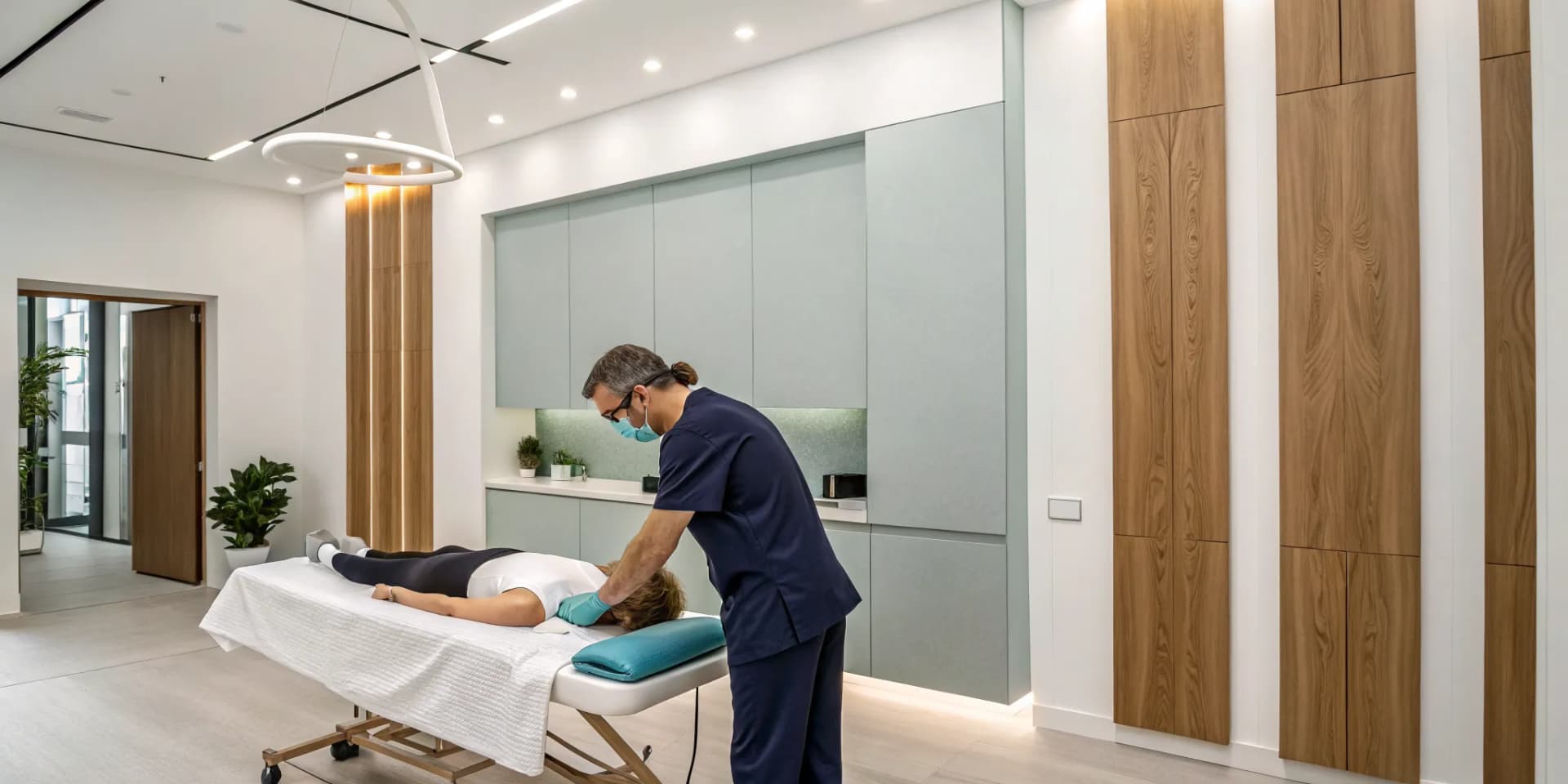
Laser Therapy for Sciatica: A Chiropractor's Guide
21 Min ReadHealthSource Chiropractic
The physical demands of being a chiropractor are real. The long hours spent on your feet, performing adjustment after adjustment, can take a toll on your own body. What if you could achieve even better results for your patients while reducing the physical strain on yourself? Integrating cold laser therapy is a brilliant way to do just that. It’s a highly effective treatment for sciatica that you can delegate to a trained team member, allowing you to oversee more cases and focus on building your business. Becoming a chiropractor that uses laser therapy for sciatica is a step toward working smarter, not harder. It allows you to transition "off the table," reduce your practicing hours, and build a more scalable clinic that runs efficiently without depending entirely on your physical energy.
Key Takeaways
- Combine Therapies for Superior Outcomes: Laser therapy is most effective when integrated into a comprehensive treatment plan. By pairing it with chiropractic adjustments, decompression, and rehab exercises, you can address sciatica from all angles, helping your patients achieve faster, more durable results.
- Meet Patient Demand for Safe Alternatives: Cold laser therapy is a non-invasive, drug-free solution that directly addresses the inflammation and pain of sciatica. Offering this science-backed treatment helps you meet the growing demand for effective alternatives to medication, building patient trust and loyalty.
- Build a Stronger, More Modern Practice: Incorporating advanced modalities like laser therapy sets your clinic apart as a leader in patient-centered care. This strategy not only improves clinical results but also creates a valuable revenue stream, helping you build a more resilient and successful practice.
What is Cold Laser Therapy for Sciatica?
As clinicians, we’re always searching for effective, non-invasive ways to help our patients find relief. When it comes to sciatica, cold laser therapy, also known as low-level laser therapy (LLLT), is a fantastic tool to have in your clinical arsenal. It’s a non-invasive treatment that uses specific wavelengths of light to interact with tissue, helping to accelerate healing, reduce inflammation, and manage pain. For patients suffering from the debilitating pain of sciatica, this can be a game-changer, offering hope beyond traditional adjustments or medication.
Many of your patients have likely tried other treatments with limited success, and they come to you looking for a real solution. Adding LLLT to your services positions your clinic as a cutting-edge facility dedicated to patient-centered results. Integrating advanced modalities like this is a cornerstone of a modern chiropractic business model. It allows you to offer more comprehensive care, achieve better patient outcomes, and set your practice apart from the competition. Instead of just managing symptoms, you’re providing a solution that supports the body’s own healing mechanisms, which is what our profession is all about. This approach not only helps your patients get better faster but also strengthens the clinical and financial health of your practice, creating a win-win for everyone involved.
How Does Laser Therapy Work?
The science behind laser therapy is straightforward yet powerful. During a session, a handheld device is placed over the affected area, where it delivers non-thermal photons of light deep into the body’s tissues. This process, called photobiomodulation, triggers changes at the cellular level. The light energy is absorbed by the cells, which stimulates metabolic activity. This, in turn, helps to increase circulation, bringing more oxygen and nutrients to the injured area. For sciatica, this means the laser can directly target the inflamed nerve root, helping to reduce inflammation and accelerate the body’s natural healing response right at the source of the problem.
Why Laser Therapy Helps Sciatica
The reason laser therapy is so effective for sciatica comes down to its targeted effects. The treatment directly addresses the primary culprits of sciatic pain. By reducing inflammation around the compressed sciatic nerve, you can significantly decrease a patient's pain levels. The therapy also helps to alleviate the muscle spasms that often accompany sciatica, providing further relief and comfort. The result is not just temporary pain management but a genuine increase in mobility and function. Offering services like laser therapy can become one of your clinic's unique revenue streams, attracting patients who are looking for comprehensive, drug-free solutions to their chronic pain and helping you build a more resilient practice.
Benefits of Combining Chiropractic and Laser Therapy
When you pair chiropractic adjustments with advanced modalities like laser therapy, you create a powerful treatment plan that addresses sciatica from multiple angles. While adjustments focus on correcting the underlying structural issues causing nerve compression, laser therapy works at a cellular level to manage symptoms and accelerate healing. This integrated approach not only leads to better, faster patient outcomes but also sets your clinic apart. By offering a comprehensive suite of services, you can meet the growing demand for holistic care and build a practice known for its effective, patient-centered solutions. This strategy is a cornerstone of the HealthSource model, which helps chiropractors diversify their services for greater clinical and financial success.
Reduce Inflammation and Pain
One of the most immediate benefits patients notice is a significant reduction in pain and inflammation. Laser therapy, also known as photobiomodulation, uses specific wavelengths of light to penetrate tissue and stimulate the body's natural healing mechanisms. This process helps decrease inflammatory markers in the affected area, providing relief from the sharp, radiating pain characteristic of sciatica. When you reduce a patient's pain with laser therapy, they become more receptive to chiropractic adjustments. This combination allows you to address the root cause of their sciatica more effectively while providing the immediate comfort your patients are looking for.
Heal Nerves and Tissues Faster
Beyond just managing symptoms, laser therapy actively promotes the repair of damaged nerves and soft tissues. The light energy improves cellular metabolism, which helps repair nerve pathways and build collagen in the surrounding tissues. For a sciatica patient, this is a game-changer. The therapy improves blood flow to the compressed area, delivering more oxygen and nutrients needed for recovery. By integrating laser therapy, you’re not just providing temporary relief; you’re creating an optimal environment for the body to heal itself more efficiently. This leads to more resilient and lasting results, reducing the likelihood of future flare-ups and helping patients return to their lives sooner.
Improve Mobility and Relax Muscles
Sciatica often leads to muscle guarding and stiffness, which severely limits a patient's mobility and quality of life. Cold laser therapy is incredibly effective at relaxing tight muscles and reducing the inflammation that contributes to this stiffness. As the laser promotes circulation and soothes irritated tissues, patients often experience an immediate improvement in their range of motion. When you follow a laser session with a chiropractic adjustment, you can more easily restore proper spinal mechanics without fighting against tense muscles. This one-two punch helps patients regain their mobility and feel tangible progress, which is key for keeping them engaged and committed to their treatment plan.
A Drug-Free, Non-Invasive Option
In a world where patients are increasingly seeking alternatives to medication and surgery, offering laser therapy is a powerful differentiator for your clinic. It’s a completely non-invasive and drug-free treatment that supports the body’s innate ability to heal. For patients wary of the side effects of pain medication or the risks associated with more invasive procedures, this is a huge plus. By providing effective, conservative care options, you position your practice as a trusted resource for holistic health. This approach aligns with the growing patient demand for treatments that are both safe and effective, helping you attract and retain more patients who value a wellness-oriented philosophy.
Laser Therapy vs. Other Sciatica Treatments
As clinicians, we know that sciatica rarely stems from a single cause. That’s why a one-size-fits-all treatment often falls short. While cold laser therapy is a fantastic tool for targeting pain and inflammation at the cellular level, its true power is revealed when you pair it with other established chiropractic treatments. Integrating multiple modalities allows you to create a comprehensive care plan that addresses the mechanical, muscular, and neurological components of sciatica for more effective and lasting patient outcomes. This approach is central to the HealthSource business model, which focuses on delivering superior results through integrated care.
Spinal Decompression
Spinal decompression is a non-surgical therapy that gently stretches the spine. This action helps to relieve pressure on your patient's spinal discs and nerves, including the sciatic nerve. Think of it as creating much-needed space in a compressed area. While decompression physically addresses the mechanical pressure on the nerve, laser therapy works on a biological level. The laser’s light energy penetrates the tissue to reduce inflammation and accelerate healing in the irritated nerve root. Combining these two therapies offers a powerful one-two punch: decompression provides immediate mechanical relief, while laser therapy calms the resulting inflammation and kickstarts the repair process for faster, more comprehensive healing.
Massage Therapy
Sciatica pain is often worsened by tight muscles in the lower back and glutes, like the piriformis muscle, which can directly compress the sciatic nerve. Massage therapy is excellent for addressing this muscular component. It helps relax tense muscles, improve local blood flow, and break down restrictive scar tissue that can contribute to nerve irritation. When you add laser therapy to the plan, you’re treating the problem from both the outside-in and the inside-out. While massage works to release the external muscular tension, the laser penetrates deeper to soothe the inflamed nerve itself. This dual approach helps reduce pain more effectively and can improve your patient's mobility much quicker than using either treatment alone.
Rehabilitative Exercises
Once a patient’s acute pain begins to subside, the real work of building long-term stability begins. This is where rehabilitative exercises come in. Prescribing specific stretches and strengthening movements is essential for improving spinal support, enhancing flexibility, and correcting postural imbalances that may have contributed to the sciatica in the first place. Laser therapy plays a crucial supportive role here. By significantly reducing pain and inflammation, it makes it possible for patients to engage in their exercises without discomfort or fear of re-injury. This allows them to perform the movements correctly and consistently, leading to better long-term results and empowering them in their own recovery.
Why a Combined Approach is More Effective
Sciatica is a multifaceted condition, and the most successful treatment plans reflect that. Relying on a single therapy can leave key aspects of the problem unaddressed. A combined approach allows you to tackle sciatica from all angles: spinal decompression for mechanical pressure, massage for muscular tension, and rehabilitative exercises for long-term stability. Laser therapy acts as the catalyst that enhances each of these treatments. By reducing pain and inflammation, it makes other therapies more tolerable and effective. This integrated strategy not only leads to superior patient outcomes but also diversifies your clinic's offerings, aligning with a model that includes seven unique revenue streams for a more robust and successful practice.
What to Expect During a Laser Therapy Session
When you introduce a new modality like cold laser therapy into your clinic, patients will naturally have questions. Setting clear expectations is key to building trust and ensuring they feel comfortable with their treatment plan. It’s helpful to walk them through the process, from their first appointment to the results they can anticipate. This transparency not only improves the patient experience but also reinforces your clinic's commitment to cutting-edge, effective care.
Integrating advanced therapies is a core part of the HealthSource business model, allowing you to offer comprehensive solutions that go beyond standard adjustments. By clearly communicating what laser therapy involves, you empower patients to take an active role in their recovery journey. This approach helps you achieve better outcomes and solidifies your reputation as a leader in patient-centered wellness.
Your First Appointment: A Step-by-Step Guide
For many patients, the term "laser" can sound intimidating. You can put them at ease by explaining that cold laser therapy is a painless and non-invasive procedure. During the session, a small handheld device is placed directly on the skin over the area of pain, such as the lower back, hip, or leg. The device emits specific wavelengths of light energy that penetrate deep into the tissue.
You can describe the process as a way to deliver targeted energy that helps reduce inflammation and pain at the cellular level. Patients won't feel any heat or discomfort; some report a gentle, soothing warmth. Each session is quick, typically lasting only 5 to 15 minutes, making it easy to incorporate into their regular chiropractic visits.
How Many Sessions Will You Need?
One of the first questions patients ask is, "How long will this take?" It's important to explain that laser therapy provides cumulative benefits, meaning results improve with each session. While some patients feel relief after just one or two treatments, a full course is usually necessary for lasting results. The exact number of sessions depends on the severity and duration of their sciatica.
A typical treatment plan might involve 6 to 12 sessions scheduled two to three times per week. For chronic or severe cases, more sessions may be needed. This is a great opportunity to discuss how you create personalized treatment plans that combine laser therapy with chiropractic adjustments and rehabilitative exercises. This comprehensive strategy is a key differentiator and one of the seven unique revenue streams available to HealthSource partners.
What Kind of Results Can You Expect?
Patients want to know if the treatment will work for them. You can explain that cold laser therapy helps accelerate the body's natural healing process. The light energy, or photons, stimulates circulation, reduces swelling around the sciatic nerve, and promotes tissue repair. The goal is not just to mask the pain but to address the underlying inflammation causing it.
While individual results vary, many patients experience a significant reduction in pain, decreased numbness and tingling, and improved mobility. You can share that studies show a high success rate for chiropractic care with sciatica, and laser therapy is a powerful tool to enhance those outcomes. By managing expectations and focusing on functional improvements, you can help patients recognize their progress and stay committed to their path to recovery.
Is Laser Therapy for Sciatica Safe?
When you introduce a new treatment modality into your clinic, safety is the first and most important question to answer, both for yourself and for your patients. The good news is that cold laser therapy has an excellent safety record. Understanding the facts allows you to address patient concerns with confidence and integrate this service smoothly into your practice. Let's clear up some common questions and misconceptions about using laser therapy for sciatica.
Debunking Common Laser Therapy Myths
Many patients (and even some practitioners) associate the word "laser" with heat, pain, or high costs. It's important to separate the facts from fiction. The first myth to bust is that laser therapy is painful. Unlike surgical lasers, cold laser therapy is a non-invasive and painless procedure that uses low levels of light; most patients report feeling nothing at all or a gentle, soothing warmth.
Another common misconception is that it's an expensive, out-of-reach treatment. While it is an advanced technology, incorporating it into your clinic can be a cost-effective way to produce better patient outcomes. As a service, it also fits perfectly within a model that includes seven unique revenue streams, adding significant value to your practice and your patients' care plans.
Understanding the Risks and Side Effects
One of the most appealing aspects of cold laser therapy is its incredibly low-risk profile. Numerous studies have confirmed that the treatment is exceptionally safe when performed by a trained professional. There are very few contraindications, and side effects are minimal and rare. The most common patient-reported effect is a slight increase in soreness about 6 to 24 hours after a session.
It’s helpful to frame this for patients not as a negative side effect, but as a positive sign. This temporary soreness often indicates that the therapy has successfully stimulated a cellular healing response. With the right franchise training and support, your team can learn to administer treatments safely and educate patients on what to expect, ensuring they feel comfortable and confident throughout their entire care plan.
Who is a Good Candidate for Laser Therapy?
The ideal candidate for laser therapy is any patient with sciatica who is looking for a drug-free, non-invasive solution to reduce pain and accelerate healing. Because the therapy works by delivering light energy (photons) deep into tissues, it’s especially effective for conditions involving inflammation and nerve pain. The light stimulates circulation, boosts cellular metabolism, and helps calm irritated nerves like the sciatic nerve.
This makes it a fantastic option for patients who are not responding quickly to adjustments alone or those who want to enhance their recovery. It’s a cornerstone of a different kind of chiropractic business model that layers effective modalities to create comprehensive, personalized treatment plans. If your patient wants to heal faster and improve their mobility without medication or surgery, they are likely a great candidate.
How to Choose the Right Chiropractor for Laser Therapy
Finding the right provider is the most critical step in a patient's journey with laser therapy. As a clinic owner, you know that the quality of care reflects directly on your practice and its reputation in the community. When a patient walks through your door seeking relief from sciatica, they are placing their trust in you. They need a chiropractor who not only understands the complexities of the condition but is also proficient in using advanced technology like cold laser therapy. The right practitioner combines deep diagnostic skill with technical expertise to create a treatment plan that delivers real, measurable results. This is the standard that sets a clinic apart.
This choice is about more than just credentials on a wall; it’s about becoming a true partner in your patient's health. It means listening intently to their history, educating them on their options, and customizing an approach that fits their specific needs. A great chiropractor will conduct a thorough assessment to confirm that laser therapy is the right fit and will clearly explain the process, what to expect, and how it integrates into a broader recovery strategy. For the sake of your patients, and for the high standard of your own practice, settling for anything less isn’t an option. This commitment to excellence is a core part of the HealthSource story.
What Credentials and Training to Look For
When evaluating a chiropractor for laser therapy, start with the fundamentals. Ensure they have a solid foundation in chiropractic principles for detecting and correcting the root causes of pain. From there, look for specific training and certification in photobiomodulation or laser therapy. This specialized knowledge is crucial for administering treatment safely and effectively, as it involves understanding the correct dosage, wavelength, and application techniques for conditions like sciatica. A practitioner with this background can confidently integrate laser therapy into their care. The best clinics provide this level of franchise training and support to ensure every doctor is an expert.
Key Questions to Ask at Your Consultation
A consultation is a two-way street. A great chiropractor will welcome questions and provide clear, confident answers. Encourage your patients to ask about the doctor’s experience treating sciatica with laser therapy specifically. They should inquire about the type of laser equipment used, as technology can vary. It’s also wise to ask about the typical treatment timeline and what results can be expected. Questions like, "How will you measure my progress?" and "What other therapies will you combine with the laser treatment?" help clarify the chiropractor's approach and set realistic expectations for the patient’s recovery journey.
What Makes a Great Treatment Plan?
A great treatment plan is never one-size-fits-all. It should be a comprehensive strategy that goes beyond just treating the symptoms. For sciatica, this means the plan should aim to reduce inflammation, promote nerve healing, and address the underlying structural issues causing the compression. The plan should integrate laser therapy with other effective modalities, such as targeted rehabilitative exercises, spinal adjustments, and soft tissue work. This holistic approach creates a healing environment within the body. A truly effective plan also includes patient education on posture, ergonomics, and at-home care to prevent future flare-ups, reflecting a different kind of chiropractic business model focused on long-term wellness.
The HealthSource Approach to Sciatica Treatment
At HealthSource, we see sciatica not just as a symptom to manage, but as a signal that the body's system is out of balance. That’s why our approach goes beyond temporary relief to address the root cause of the pain. We’ve built a clinical model that empowers you to deliver truly comprehensive care, moving away from a reliance on adjustments alone and toward a more holistic, results-driven strategy. This is about creating a plan that restores function and provides lasting outcomes for your patients.
Our system integrates precise chiropractic care with advanced modalities like laser therapy and progressive rehabilitation. Instead of offering a single service, you can provide a full spectrum of care under one roof. This not only leads to better patient results but also builds a more resilient and profitable clinic by incorporating seven unique revenue streams. By combining treatments, you can effectively target sciatica from multiple angles, addressing inflammation, muscle imbalances, and joint dysfunction simultaneously.
Within this framework, laser therapy serves as a powerful tool for accelerating recovery. It allows you to directly target inflammation around the sciatic nerve root, reduce pain signals, and stimulate cellular repair in a way that adjustments alone cannot. This non-invasive option is a significant value-add for patients seeking effective, drug-free solutions. It also positions your clinic as a modern facility equipped with state-of-the-art technology.
Ultimately, this integrated method is the core of HealthSource’s different kind of chiropractic business model. It provides you with a proven, systematic way to treat complex conditions like sciatica, achieve superior patient outcomes, and build a practice that is both clinically exceptional and financially successful. You get the systems and support to confidently treat your patients while building a more scalable and sustainable business.
Frequently Asked Questions
How can I explain laser therapy to patients who might be nervous about the word "laser"? That's a great question, and it's all about framing. I find it helps to refer to it as "cold laser therapy" or "low-level light therapy" right from the start. You can explain that unlike surgical lasers, this therapy is completely painless and non-invasive. I often tell patients that it uses specific light waves to give their cells a gentle energy nudge, which helps kickstart the body's natural healing process to reduce pain and inflammation. Assuring them that most people feel nothing at all, or perhaps a slight, soothing warmth, usually puts any concerns to rest.
Is laser therapy a standalone treatment, or should it always be part of a larger plan? While laser therapy can provide significant relief on its own, its true power is unlocked when you use it as part of a comprehensive treatment plan. Sciatica is a complex issue with structural, muscular, and inflammatory components. Laser therapy is fantastic for targeting the inflammation and nerve pain, which then makes patients more receptive to chiropractic adjustments. Combining it with adjustments, soft tissue work, and rehabilitative exercises allows you to address the problem from every angle for faster, more durable results.
Are there any patients who are not good candidates for this treatment? Cold laser therapy is exceptionally safe, but there are a few standard precautions to keep in mind. The treatment should not be applied directly over areas with active cancer, on the thyroid gland, or over the womb of a pregnant patient. You should also be cautious with individuals who have conditions that cause extreme photosensitivity. For the vast majority of sciatica patients, however, it is a safe and highly effective option that can be a cornerstone of their recovery plan.
Beyond helping patients, how does adding laser therapy strengthen my practice? Integrating a service like laser therapy does more than just add another tool to your clinical toolbox; it elevates your entire practice. It positions your clinic as a modern facility that offers advanced, non-invasive solutions, which is a powerful draw for patients seeking alternatives to medication. This creates a new revenue stream and, more importantly, leads to better patient outcomes. When patients get better faster, they become your best source of referrals and testimonials, building a stronger reputation and a more resilient business.
What does a typical treatment schedule for a sciatica patient look like? A treatment plan is always tailored to the individual, but a general framework is helpful. Because the effects of laser therapy are cumulative, consistency is key. A common protocol for sciatica might involve two to three sessions per week for a few weeks, often totaling between 6 and 12 treatments. For more chronic or severe cases, the plan may be extended. Since each session is quick, usually lasting just 5 to 15 minutes, it's easy to incorporate into a patient's regular adjustment appointments without disrupting their schedule.


