
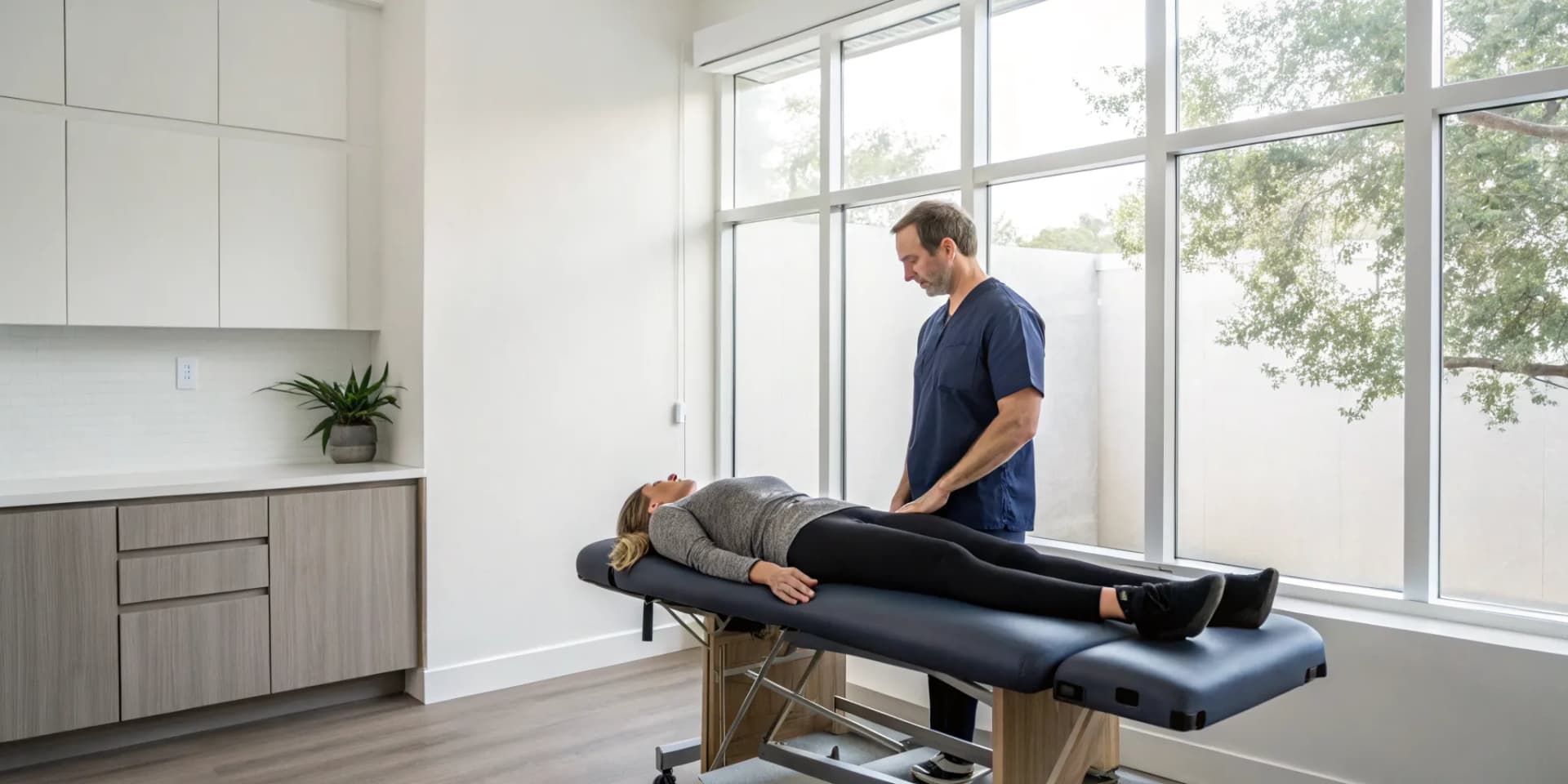
Chiropractic Manipulation of Lumbar Spine: Pro Guide
24 Min ReadHealthSource Chiropractic
Day after day, you place your hands on patients, providing relief and restoring function. The chiropractic manipulation of lumbar spine is a familiar, foundational part of your work, but it can also feel routine. What if you could transform this core procedure into the engine of a more efficient, profitable, and personally fulfilling practice? By looking at this technique through the lens of systemization, you can unlock new potential. This article will give you a fresh perspective on this fundamental skill, showing how building a comprehensive system around it can lead to unmatched patient outcomes, greater professional freedom, and a renewed passion for your craft.
Key Takeaways
- Integrate Adjustments into a Full Care Plan: True patient success and clinic growth happen when manipulation is part of a larger strategy. By adding services like rehab exercises and lifestyle coaching, you achieve better long-term outcomes, build patient loyalty, and create new revenue opportunities.
- Master a Range of Techniques: Your ability to serve more patients effectively depends on your clinical toolkit. Offering various methods, from HVLA thrusts to instrument-assisted adjustments, allows you to personalize care, build trust, and confidently treat a broader patient population.
- Build Systems for Scalable Success: A successful practice runs on more than just skill; it runs on systems. Implementing a proven framework for assessments, treatments, and patient education is the key to delivering consistent results and building a more efficient, profitable, and scalable clinic.
What Is Lumbar Spine Manipulation?
As chiropractors, we know that lumbar spine manipulation is a cornerstone of our practice. It’s the hands-on treatment where we use our expertise, either with our hands or specialized tools, to apply gentle, targeted force to the spinal joints. The fundamental goal is simple yet profound: to restore proper movement and function to the joints. When we achieve this, we help our patients find significant pain relief and get back to their lives.
This technique is more than just an adjustment; it's a precise application of biomechanical principles to address the root cause of discomfort. For many of us, mastering and systemizing these treatments is key to not only achieving superior patient outcomes but also building a more efficient and scalable clinic. It’s about moving beyond just treating symptoms to creating a comprehensive system of care that produces consistent, predictable results for every patient who walks through our doors.
Why Your Lumbar Spine's Health Is Crucial
It’s no secret that lower back pain is the most common reason patients seek our help. The lumbar spine bears a significant amount of the body's weight and stress, making it highly susceptible to injury and dysfunction. When these spinal joints are compromised, they can directly affect nerve function, leading to pain, sciatica, and a host of other debilitating issues. Addressing lumbar health is fundamental to our work. The growing demand for chiropractic care is largely driven by patients seeking effective, non-invasive solutions for this very problem, making our expertise in this area more valuable than ever.
How the Adjustment Process Works
The adjustment itself involves applying a quick, controlled force to specific muscles, bones, and joints in the lumbar spine. As we perform the manipulation, patients might hear the familiar popping or cracking sounds, which are simply the release of gas from the joint space. This is a normal and often satisfying part of the process. Depending on the patient's specific needs, we might use a variety of methods, from Toggle Drop and Motion Palpation to the Flexion-Distraction Technique. Integrating these techniques into a systematic approach is a core part of the HealthSource business model, ensuring every adjustment is part of a larger, outcome-focused treatment plan.
A Look at Common Lumbar Manipulation Techniques
As a chiropractor, you have a diverse toolkit for addressing lumbar spine issues. While patients might only know about the “cracking” sound, we know there’s a wide spectrum of specific, targeted techniques designed for different needs. Familiarizing yourself with the nuances of each method helps you refine your skills and better educate your patients. These techniques are the foundation of effective patient care, and when integrated into a systematic approach, they can produce truly remarkable outcomes. Let's walk through some of the most common and effective lumbar manipulation techniques you likely use in your practice.
High-Velocity Low-Amplitude (HVLA) Thrust
This is the classic adjustment most people associate with chiropractic care. The HVLA thrust is a precise, quick movement applied to a specific vertebra. That familiar "popping" sound, known as cavitation, is simply the release of gas bubbles from the joint fluid, similar to cracking your knuckles. This technique is incredibly effective for restoring motion to restricted joints and providing immediate relief. Mastering the HVLA thrust is a cornerstone of chiropractic education, but integrating it into a comprehensive care plan is what sets a thriving practice apart, ensuring patients receive holistic and lasting results beyond a single adjustment.
Flexion-Distraction Technique
For patients dealing with disc-related pain or sciatica, the flexion-distraction technique is a game-changer. This gentle, non-force method uses a specialized table that moves to carefully stretch and decompress the spine. As the patient lies comfortably, you guide the spine through a gentle pumping motion. This movement helps to move the disc away from the nerve, reducing inflammation and alleviating leg or back pain. It’s a highly effective treatment that offers a safe alternative for patients who may be hesitant about manual thrusts. Offering advanced services like this can also become one of your clinic's unique revenue streams, attracting patients seeking specialized care.
Lumbar Roll and Thompson Drop Techniques
The lumbar roll is another foundational manual technique. With the patient lying on their side, you apply a quick, precise thrust to realign the vertebrae and restore proper joint function. It’s a powerful and efficient method for addressing lumbar restrictions.
For a different approach, the Thompson Drop technique utilizes a specialized table with segments that drop away slightly upon adjustment. This drop mechanism uses the patient's own body weight and momentum to assist the thrust, allowing for a lighter, yet still highly effective, adjustment. This can make the experience more comfortable for the patient while achieving the desired clinical outcome. Proper training and support on these varied techniques ensures you can confidently treat a wider range of patient presentations.
Activator and Instrument-Assisted Methods
Not every patient is a candidate for, or comfortable with, manual thrust techniques. This is where instrument-assisted methods like the Activator technique shine. Using a small, spring-loaded handheld tool, you can deliver a very specific, low-force impulse to the spine or other joints. This method is exceptionally gentle, precise, and controlled, making it ideal for older patients, children, or anyone with conditions like osteoporosis. Providing a variety of adjustment styles shows your commitment to personalized care and can help you serve a broader community, meeting the growing demand for chiropractic services from all demographics.
Motion Palpation and Pelvic Blocking
While not an adjustment itself, motion palpation is a critical diagnostic skill. By feeling the spine as the patient moves, you can identify specific areas of stiffness or misalignment that need attention. It’s a hands-on assessment that guides your treatment plan.
Pelvic blocking, on the other hand, is a passive and gentle technique. It involves placing cushioned wedges under the patient's pelvis as they lie down. Gravity and the patient's own body weight do the work, creating a gentle, sustained stretch that helps open up space between the discs and nerves. This can be incredibly soothing for patients in acute pain. These diagnostic and gentle methods are vital parts of The HealthSource story, which is built on a foundation of thorough assessment and patient-centered care.
What to Expect During a Lumbar Spine Session
Walking a patient through their first lumbar spine session is a critical step in building trust and setting the stage for successful outcomes. When patients know what’s coming, they feel more relaxed and confident in your care. A well-structured session, from initial assessment to post-adjustment recommendations, demonstrates professionalism and a commitment to personalized treatment. This is a cornerstone of the HealthSource clinical model, where patient education and systematic care go hand in hand. By clearly communicating each step, you empower patients to become active participants in their own healing journey, ensuring they understand the purpose behind every part of their visit. This approach not only improves patient satisfaction but also reinforces the value of your comprehensive care plan.
Your First Step: Assessment and Diagnosis
Before any adjustment begins, a thorough assessment is non-negotiable. This initial phase is all about understanding the complete picture of your patient's health. You’ll start by reviewing their health history and conducting a detailed physical examination of their spine and surrounding structures. This is where you can identify specific areas of concern and rule out any contraindications. In some cases, ordering diagnostic imaging like X-rays may be necessary to confirm a diagnosis and ensure that spinal manipulation is a safe and appropriate treatment for their condition. This careful, data-driven approach ensures that every treatment plan is built on a solid foundation of clinical evidence, leading to better and more predictable patient outcomes.
The Adjustment Itself
Once you’ve established a clear diagnosis, you can proceed with the adjustment. Typically, the patient will lie face-down on a specialized chiropractic table designed for comfort and effectiveness. Using your hands or a specialized instrument, you’ll apply a quick, controlled force to the targeted joints in the lumbar spine. Many patients will hear a “popping” or cracking sound during this process. It’s helpful to explain to them beforehand that this is completely normal; it’s simply the release of gas bubbles from the joint fluid, similar to cracking your knuckles. This simple explanation can ease patient anxiety and help them relax into the treatment, making the adjustment more effective.
After Your Adjustment: Care and Recommendations
Post-adjustment care is just as important as the manipulation itself. It’s common for patients to experience mild, temporary side effects like soreness or stiffness, but these issues typically resolve within 24 hours. Setting this expectation upfront helps manage patient concerns. The session should conclude with clear recommendations for at-home care, which might include applying ice, performing specific stretches, or making temporary activity modifications. This is also the time to outline the full treatment plan. Our franchise training and support emphasizes creating structured plans, so patients understand the expected frequency and duration of care needed to achieve their long-term wellness goals.
Key Benefits of Lumbar Spine Manipulation
As a chiropractor, you know that lumbar spine manipulation is far more than a temporary fix for an aching back. It’s a powerful intervention that can set patients on a path toward lasting relief and improved quality of life. When integrated into a comprehensive treatment plan, these adjustments deliver tangible results that go beyond the initial session, forming the foundation of a patient's journey back to wellness. The key is to frame these benefits not just as outcomes, but as the core of the value you provide.
Find Relief from Lower Back Pain
For many patients, the search for relief from persistent lower back pain is what brings them to your clinic. Lumbar spine manipulation directly addresses this primary concern. It’s a proven method for easing discomfort, especially for common and debilitating issues like lumbar disc herniation. Studies have shown that chiropractic spinal manipulative therapy (CSMT) can be highly effective in these cases, providing the significant relief patients need to begin their recovery. By precisely targeting the source of the pain, you offer a powerful, non-invasive first step that builds immediate trust and demonstrates the effectiveness of your care. This initial win is crucial for patient compliance and long-term success.
Improve Range of Motion and Mobility
Pain relief is the first step, but restoring function is the ultimate goal. Lumbar manipulation is instrumental in improving a patient's mobility and overall physical performance. By correcting misalignments and reducing nerve irritation, adjustments help enhance joint function and flexibility in the lower back. This improvement isn't just a clinical metric; it translates directly into a patient's daily life. It means they can bend down to pick up their kids, return to a favorite sport, or simply sit at their desk without stiffness and pain. Communicating this benefit helps patients see chiropractic care not just as a treatment for pain, but as a way to get their life back.
Reduce Reliance on Medication or Surgery
In a world where patients are often pushed toward medication or invasive procedures, chiropractic care offers a compelling alternative. Lumbar spine manipulation can significantly reduce the need for both. Research indicates that patients who receive CSMT are often less likely to undergo lumbar discectomy surgery compared to those who pursue other treatments. This is a powerful message for patients who are wary of the risks, side effects, and long recovery times associated with surgery and long-term medication use. By offering a path that works with the body's natural healing capabilities, you position your clinic as a source for conservative, effective, and patient-first care.
Support Long-Term Pain Management and Well-Being
The most successful patient outcomes are built on a foundation of holistic care. Lumbar manipulation is a critical component, but its benefits are amplified when it’s part of a broader wellness strategy. A truly holistic approach to health addresses the underlying factors contributing to a patient’s condition, including exercise, nutrition, and stress management. By integrating adjustments with rehabilitative exercises and lifestyle coaching, you empower patients to take an active role in their health. This comprehensive model, a cornerstone of the HealthSource system, shifts the focus from short-term fixes to sustainable, long-term well-being, creating healthier patients and a stronger practice.
Is Lumbar Spine Manipulation Right for You?
Lumbar spine manipulation is a powerful tool in any chiropractor's arsenal, offering significant relief for many patients with lower back pain. However, the most effective care is always personalized. A successful outcome depends on a thorough understanding of the patient's specific condition and overall health. Determining if manipulation is the best path forward requires a careful assessment to ensure it aligns with the patient's needs and goals. It's about applying the right technique for the right reason, which is the foundation of exceptional, outcomes-focused care.
Conditions That Respond Best to Treatment
Spinal manipulation is particularly effective for mechanical back pain, where the goal is to restore joint mobility and function. Patients with specific diagnoses often see remarkable improvement. For instance, research shows that chiropractic spinal manipulative therapy can be highly effective for conditions like lumbar disc herniation and lumbosacral radiculopathy, often helping patients find relief and improve function without more invasive options. By addressing the root cause of the discomfort, these targeted adjustments can alleviate pressure on nerves and surrounding tissues. This approach not only manages pain but also helps patients regain mobility and get back to their daily lives more quickly.
When to Consider Other Options
A responsible chiropractor knows that manipulation isn't always the answer. Certain pre-existing conditions serve as contraindications, where adjustments could be ineffective or even harmful. These include conditions like severe osteoporosis, spinal cancer, bone or joint infections, and some forms of inflammatory arthritis. Additionally, patients with significant nerve compression or spinal cord pressure may require a different approach. While serious side effects are rare, a comprehensive initial assessment is non-negotiable to rule out these risks. Prioritizing patient safety means recognizing when to modify treatment or refer a patient for co-management, ensuring they always receive the most appropriate care for their situation.
Understanding the Potential Risks and Side Effects
As practitioners, our commitment to patient well-being includes having transparent conversations about what they can expect from treatment, including potential side effects. While lumbar spine manipulation is overwhelmingly safe and effective, being well-versed in the potential risks is part of providing exceptional care. It builds trust and empowers patients to be active participants in their health journey. Discussing these possibilities openly ensures patients can give fully informed consent and feel confident in the care plan you develop together. This level of communication is a cornerstone of a patient-centered practice and sets the stage for better outcomes and stronger relationships. By addressing this topic head-on, you reinforce your role as a trusted health care expert dedicated to their safety and long-term wellness.
Common and Temporary Side Effects
It’s helpful to set clear expectations with patients that some mild, temporary side effects can occur after a spinal manipulation. Research shows that about half of all patients experience some form of minor discomfort. The most common reactions include localized soreness at the treatment site, headaches, or a feeling of tiredness. Some may also notice discomfort that radiates to other areas. The key is to reassure them that these responses are typically short-lived. In fact, most of these issues resolve on their own within 24 hours. Framing this as a normal part of the body’s response to treatment can help ease patient concerns and prevent them from worrying unnecessarily after their adjustment.
Rare but Serious Risks to Know
While extremely uncommon, serious complications have been associated with spinal manipulation. It's our professional responsibility to be aware of these and to screen patients appropriately. The most cited serious risk is stroke, which can occur following neck manipulation, though it is also a remote possibility with other spinal adjustments. Other rare but significant issues include joint dislocation, spinal fractures, or disc herniation that could lead to severe nerve problems like cauda equina syndrome, particularly after lower back manipulation. Being transparent about these rare events is not about causing fear, but about demonstrating clinical diligence and a commitment to patient safety through thorough screening and appropriate technique selection.
How to Minimize Your Risk
The best way to minimize risks is through a systematic and comprehensive approach to patient care. It all starts with a meticulous initial assessment and an accurate diagnosis. This foundational step ensures you identify any contraindications and tailor the treatment plan specifically to the patient’s needs. The effectiveness and safety of any manipulation depend heavily on the practitioner's skill and the clinical systems they follow. This is why ongoing franchise training and support are so vital. By integrating adjustments into a broader plan that includes rehab and lifestyle guidance, you not only address the immediate issue but also build a stronger, more resilient patient, further reducing the likelihood of adverse events.
Manipulation Within a Complete Treatment Plan
As you know, a lumbar spine manipulation is a powerful tool for providing immediate relief, but it’s rarely a one-and-done solution. The most effective chiropractors position the adjustment as a key component within a broader, more holistic treatment strategy. This comprehensive approach not only delivers superior, lasting results for patients but also sets your practice apart. By integrating rehabilitative care and lifestyle coaching, you transition from simply treating symptoms to building genuine, long-term wellness for your patients.
This is where you can truly shine and build a practice that creates lasting change. Instead of seeing a revolving door of patients with recurring issues, you can develop a system that empowers them to maintain their spinal health between visits. This model is central to the HealthSource business model, which focuses on creating state-of-the-art clinics that deliver unmatched patient outcomes. By expanding your services, you also open up new avenues for clinic growth and create a more sustainable and scalable business.
Combining Adjustments with Rehab Exercises
An adjustment can restore mobility and reduce pain, but the surrounding muscles and soft tissues need to be strengthened to support that correction. Without this crucial step, the spine can easily fall back into old, dysfunctional patterns. This is why pairing spinal manipulation with targeted rehabilitation exercises is so essential. These exercises help stabilize the core, improve posture, and correct the muscular imbalances that likely contributed to the lumbar issue in the first place.
By creating a customized rehab plan for each patient, you reinforce the benefits of your adjustments and give patients an active role in their own recovery. This might include specific stretches to improve flexibility or strengthening exercises for the core and back. This integrated method ensures your work on the table holds, leading to better long-term outcomes and higher patient satisfaction. It also represents one of the seven unique revenue streams that can help you build a more robust and profitable clinic.
Lifestyle Habits for Lasting Spinal Health
True spinal health extends far beyond the four walls of your clinic. The daily habits of your patients, from their posture at their desk to their stress levels and diet, play a massive role in their overall well-being. Educating patients on these factors is a critical part of a complete treatment plan. Before you even begin treatment, a thorough review of their health history and lifestyle gives you the insights needed to provide truly personalized care.
You can guide them on ergonomic setups for their workspace, suggest anti-inflammatory dietary changes, or recommend stress-management techniques. This holistic approach addresses the root causes of their pain, not just the symptoms. By positioning yourself as a comprehensive wellness resource, you build deeper trust and authority with your patients. This focus on preventative and personalized care is a key reason why the demand for chiropractic services continues to grow, as more people seek proactive solutions for their health.
How to Choose the Right Chiropractic Provider
As a chiropractor, you already know that not all clinics are created equal. Patients are becoming more discerning, and they’re looking for more than just a quick adjustment. They want a partner in their health journey who offers expertise, personalized care, and a clear path to long-term wellness. This shift presents a huge opportunity for clinic owners who are ready to meet that demand. Building a practice that stands out requires a deliberate focus on the very qualities that patients are searching for.
Thinking about how to choose the right provider is also a great exercise in self-assessment. Does your clinic currently embody these principles? Are your systems set up to consistently deliver this level of care? Whether you're refining your own practice or considering joining a network that has already perfected the model, focusing on these key areas is how you build a clinic that not only attracts patients but also achieves incredible, lasting results. It’s about creating a reputation for excellence that becomes your most powerful marketing tool.
Prioritize Clinical Expertise and Advanced Techniques
Patients seek out specialists for a reason. When someone is dealing with specific lumbar spine issues, they want a provider with a deep understanding of their condition and the most effective techniques to treat it. As a clinic owner, this means fostering an environment of continuous learning and clinical excellence. It’s about moving beyond a one-size-fits-all approach and embracing a business model that supports specialization and the integration of advanced methods.
Having a system in place for ongoing training ensures that you and your team are always equipped with the latest, evidence-based techniques. This not only improves patient outcomes but also builds your clinic's authority and credibility. When patients feel confident in your expertise, they are more likely to trust your recommendations, adhere to their treatment plans, and refer others to your practice.
Find a Personalized, Outcomes-Focused Approach
A truly effective treatment plan is never generic. It’s a personalized roadmap designed around a patient’s specific diagnosis, lifestyle, and health goals. This outcomes-focused approach is what transforms a standard chiropractic visit into a life-changing healthcare experience. It begins with a thorough assessment and continues with a plan that is adaptable, measurable, and centered entirely on the patient’s progress. This level of personalization is what builds deep, lasting patient relationships.
Implementing this requires systems that support comprehensive care. By integrating services like rehabilitative exercises or lifestyle counseling, you can offer a more holistic solution. This not only leads to better, more sustainable results for your patients but also opens up seven unique revenue streams for your clinic. It’s a strategy that allows you to provide superior care while building a stronger, more resilient business.
The HealthSource Difference: A System Built for Results
Delivering exceptional, personalized care consistently is challenging for any solo practitioner. This is where a proven system makes all the difference. The HealthSource model is built on a foundation of clinical and operational systems designed to produce predictable, positive patient outcomes. We provide the framework so you can focus on what you do best: caring for patients. From proprietary software to advanced clinical protocols, every tool is geared toward efficiency and effectiveness.
This systematic approach is backed by world-class franchise training and support, ensuring you have the resources to implement these strategies successfully. Being part of a respected national brand also gives you immediate credibility. Patients recognize the name and trust that they are receiving care from a qualified professional who is part of a network committed to the highest standards of excellence.
Related Articles
- What Chiropractic Methods Are Used to Treat Low Back Pain?
- Chiropractic Spinal Manipulative Therapy for Lumbar Disc Herniation With Radiculopathy: A Systematic Review and Meta-Analysis of Randomized Controlled Trials
- Chiropractic Therapy: Spinal Manipulation
- Demand for Chiropractic Health Services
- HealthSource Franchise Training and Support
Frequently Asked Questions
How should I explain the “popping” sound to a nervous patient? The best approach is to be direct and reassuring before the adjustment even begins. I find it helps to explain that the sound is simply the release of a gas bubble from the joint fluid, much like when you crack your knuckles. You can let them know it’s a completely normal and harmless part of the process that often signals a successful release of pressure in the joint. Framing it this way demystifies the experience and helps patients relax, which makes the adjustment more comfortable and effective for everyone.
How do I decide which lumbar manipulation technique is best for a patient? Your decision should always come back to your initial, thorough assessment. A patient’s diagnosis, age, body type, and even their comfort level will guide your choice. For example, a robust patient with a clear joint restriction might respond perfectly to a classic HVLA thrust. However, a patient with acute disc-related pain or osteoporosis would likely benefit more from a gentler method like flexion-distraction or an instrument-assisted technique. A personalized approach shows your expertise and commitment to their specific needs.
What’s the best way to introduce rehab exercises to patients who only expect an adjustment? I recommend framing it as a partnership for their long-term success. After an adjustment, you can explain that while the manipulation restores motion, targeted exercises are what will keep the spine stable and prevent the problem from returning. You can say something like, "The adjustment unlocked the joint, and now these simple exercises will strengthen the muscles around it to hold everything in place." By connecting rehab directly to the longevity of their results, patients see it as an essential part of their care, not an optional add-on.
A patient called saying they are sore after their first adjustment. What should I tell them? This is a great opportunity to build trust through clear communication. Reassure them that mild, temporary soreness is a very common response, similar to how muscles feel after a new workout. Explain that their body is adapting to the new alignment and that the discomfort should fade within about 24 hours. You can also provide simple at-home advice, like applying ice for 15 minutes, to help ease their discomfort. Setting this expectation from the beginning helps manage their concerns and reinforces their confidence in the treatment process.
How does systemizing my approach to lumbar manipulation help me scale my practice? When you have a proven, systematic approach to care, you create predictable and repeatable results for your patients. This clinical consistency is the foundation for operational efficiency. It allows you to train associate doctors and staff on a unified method, ensuring every patient receives the same high standard of care, whether you are the one performing the adjustment or not. This frees you from being the only person who can deliver results, giving you the time to focus on managing your team, growing the business, and even opening additional clinics.


