
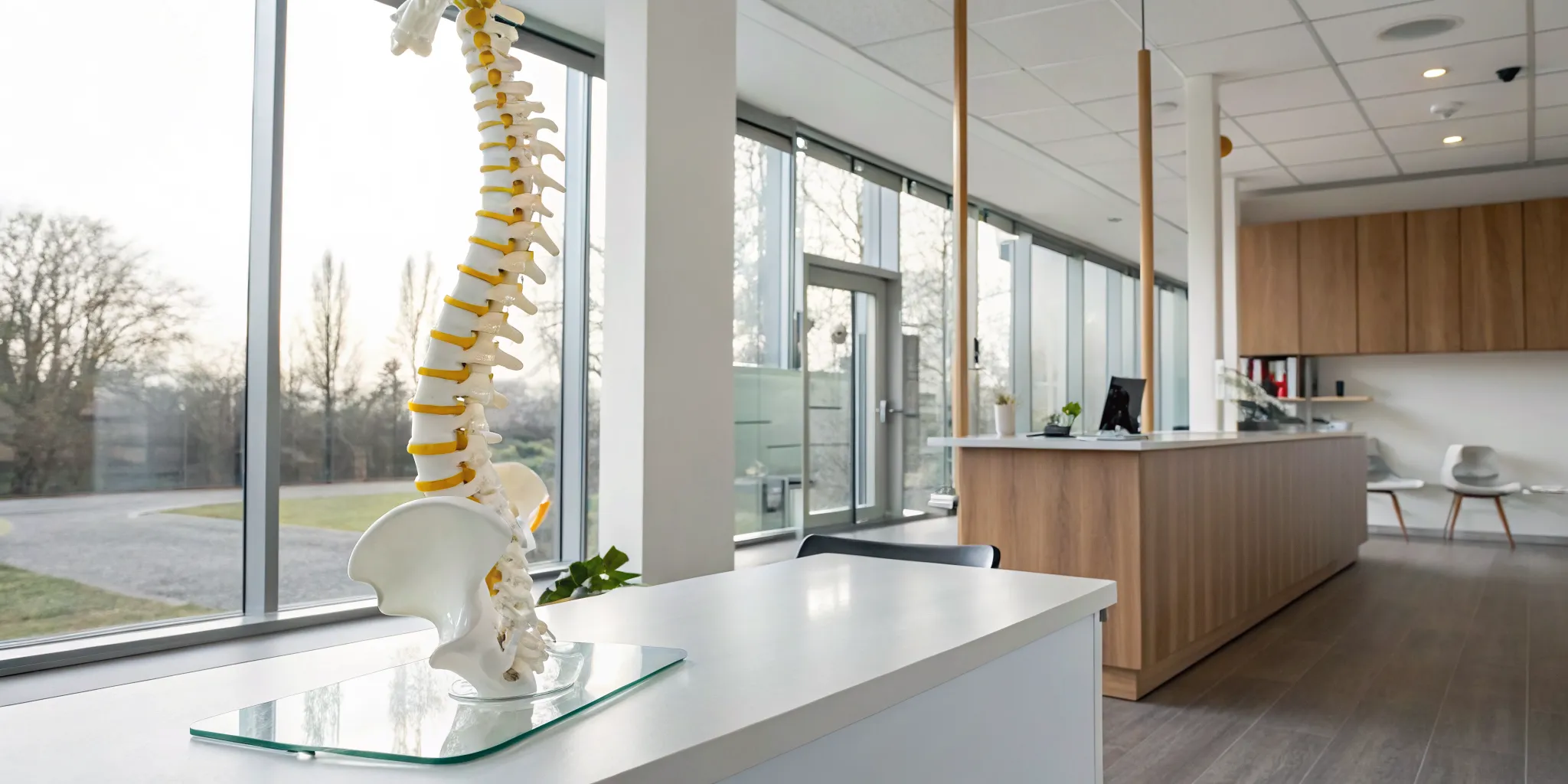
Chiropractic Herniated Disc: A Clinical Guide
31 Min ReadHealthSource Chiropractic
A patient walks into your clinic, scared and in pain, using terms like "slipped disc." They've likely read conflicting information online and are skeptical of a quick fix. Your ability to confidently and clearly explain their condition is the first, most critical step in their healing journey. Effective chiropractic herniated disc care is built on a foundation of trust, which starts with masterful communication. This guide will walk you through how to educate patients, set realistic expectations, and address common myths, turning anxious individuals into empowered partners in their own recovery and loyal advocates for your practice.
Key Takeaways
- Go beyond the adjustment with a comprehensive plan: Effective care for a herniated disc involves more than a single technique; combine spinal manipulation with flexion-distraction, decompression, and targeted exercises to address the injury from all sides.
- Empower patients to support their own recovery: Lasting results come from patient partnership, so teach your patients about proper posture, provide at-home exercises, and offer lifestyle tips that help them manage their condition and prevent future injuries.
- Build trust by knowing when to refer: Demonstrate your expertise by recognizing the limits of chiropractic care, as a thorough assessment helps identify red flags like progressive muscle weakness that require a prompt referral for medical evaluation.
What Is a Herniated Disc?
As a chiropractor, you know that a herniated disc is one of the most common and painful conditions your patients face. Explaining it clearly is the first step toward building trust and setting the stage for effective treatment. A herniated disc occurs when the soft, gel-like center of a spinal disc, the nucleus pulposus, pushes through a tear in the tougher outer layer, the annulus fibrosus. Patients often come in using terms like “slipped disc” or “ruptured disc,” but we know “herniation” is the most accurate description of what’s happening. This protrusion can press on nearby spinal nerves, leading to the familiar symptoms of pain, numbness, or weakness along the nerve's path.
Understanding the mechanics of a herniation is crucial for both diagnosis and patient education. When the disc material escapes its normal boundary, it can cause direct compression on a nerve root or trigger a significant inflammatory response, both of which are primary pain generators. Your ability to articulate this process helps patients grasp the source of their discomfort and appreciate the value of your treatment plan. It’s this level of clinical excellence and patient communication that forms the foundation of a practice that delivers unmatched outcomes, which is a core part of the HealthSource business model. By starting with a solid explanation, you empower patients to become active participants in their own recovery.
Common Causes of a Herniated Disc
Herniated discs don’t happen in a vacuum; they’re typically the result of specific stressors on the spine. One of the most frequent causes is simple, age-related wear and tear, often called degenerative disc disease. As patients get older, their spinal discs naturally lose water content, becoming less flexible and more susceptible to tears from even minor strains. Another major cause is acute injury. This can be a single traumatic event, like lifting a heavy object with improper form, a sudden twist, a fall, or a car accident that places an immediate, excessive force on the spine.
Finally, repetitive strain is a significant contributor. This includes lifestyle factors or occupations that involve prolonged sitting, frequent bending, or repetitive lifting motions. These activities gradually weaken the annulus fibrosus over time, eventually allowing the nucleus to herniate. Recognizing these underlying causes is key to developing a comprehensive treatment plan that not only addresses the current pain but also includes preventative strategies. As our population ages and lifestyles become more sedentary, the demand for chiropractic care for these exact conditions will only continue to grow.
Most Affected Spinal Levels
While a disc can herniate at any level of the spine, certain areas are far more vulnerable than others. The vast majority of herniations occur in the lumbar region, or lower back. Specifically, the L4-L5 and L5-S1 levels are the most common sites. This isn't surprising, as the lumbar spine bears the most body weight and endures significant stress from bending, lifting, and twisting. The combination of high load and mobility makes these lower discs particularly prone to injury and degeneration over time.
The second most common location for a herniated disc is the cervical spine, or neck. Cervical herniations often result from trauma like whiplash or from the chronic strain of poor posture, such as "text neck." Thoracic herniations, occurring in the mid-back, are considerably rarer. This is because the thoracic spine is stabilized by the rib cage, which limits its range of motion and protects the discs from the types of forces that typically cause herniation. Pinpointing the exact spinal level is a critical diagnostic step that directly informs your treatment approach.
Key Symptoms of a Herniated Disc
When a patient walks into your clinic describing sharp, traveling pain, a herniated disc is often a primary suspect. As clinicians, we know these symptoms are more than just complaints; they are critical clues that guide our diagnostic process. A herniated disc occurs when the gel-like nucleus pulposus pushes through a tear in the tougher annulus fibrosus, potentially compressing nearby nerve roots. While many patients associate any back pain with a "slipped disc," the specific nature, location, and quality of their symptoms help us differentiate and form an accurate diagnosis.
Understanding these key indicators is the first step toward developing a treatment plan that provides real relief and restores function. The presentation can vary widely from patient to patient, but there are classic patterns we look for. Recognizing these patterns allows us to educate our patients effectively, manage their expectations, and demonstrate the value of a comprehensive, non-invasive approach to their recovery. This is where a systematic clinical model becomes invaluable, helping you deliver unmatched patient outcomes.
Radiating Pain and Discomfort
The hallmark symptom of a herniated disc is radiating pain. This isn't just localized back or neck pain; it’s a sharp, shooting sensation that travels along the path of the compressed nerve. A patient might describe it as an electric shock or a deep, burning ache. This happens because the herniated material is physically pressing on or chemically irritating a spinal nerve root. This type of debilitating pain is a primary reason the demand for chiropractic services continues to expand, as patients actively seek effective, non-surgical solutions. For many, this radiating discomfort is what finally convinces them to seek professional care after trying to manage the pain on their own.
Numbness, Tingling, and Muscle Weakness
Beyond pain, nerve compression from a herniated disc often causes neurological symptoms. Patients may report numbness or a "pins and needles" sensation (paresthesia) in the specific areas supplied by the affected nerve. You might also observe objective muscle weakness during your examination. A patient might mention they are suddenly stumbling more often, have trouble gripping objects, or find it difficult to lift their foot. These signs indicate that the nerve signal is being disrupted. Identifying these symptoms is crucial, as they can point to the severity of the compression and help you build a case for a comprehensive chiropractic and rehab franchise model that integrates targeted exercises to restore strength and function.
How Location Affects Symptoms
The patient’s symptoms will tell you a story about where the problem is located. A herniated disc in the cervical spine (neck) will typically produce pain, numbness, or weakness that radiates into the shoulder, arm, and hand. In contrast, a lumbar herniation, which is more common, will cause symptoms in the buttocks, thigh, and calf, often extending down to the foot in a classic sciatic pattern. It's also important to remember that the size of the herniation doesn't always correlate with the intensity of the pain. A small herniation can cause severe symptoms in one person, while a larger one might be less painful for another, making a thorough assessment essential for every case.
How Chiropractic Care Helps Herniated Discs
As chiropractors, we know that addressing a herniated disc requires a nuanced and multi-faceted strategy. It’s not about a single, forceful maneuver but a series of targeted, non-invasive techniques designed to alleviate pressure, reduce inflammation, and restore proper function. By integrating various modalities, you can create a comprehensive treatment plan that not only relieves immediate pain but also supports long-term spinal health. This patient-centered approach is central to building a practice that delivers exceptional outcomes and stands out in your community. A different kind of chiropractic business model focuses on these integrated solutions to provide superior patient care. Let’s walk through some of the core treatments you can use to effectively manage herniated discs in your clinic.
Spinal Manipulation
Spinal manipulation is a foundational technique for treating herniated discs. Using this hands-on method, you can apply gentle, controlled movements to help guide the displaced disc material back into its proper position. It’s important to communicate to patients that any popping sounds are simply the release of gas from the joints, similar to cracking one's knuckles, and not a cause for alarm. The goal is to reduce pressure on the spinal nerves and improve mobility. This technique requires precision and a deep understanding of spinal biomechanics. Mastering it allows you to provide immediate relief and set the stage for further rehabilitative care, demonstrating your expertise and building patient trust from the very first session.
Flexion-Distraction Therapy
Flexion-distraction is a gentle, low-force technique that is especially effective for patients with acute disc-related pain. Using a specialized table that flexes and distracts the spine in a rhythmic motion, you can gently decompress the affected disc. This method works by creating negative pressure within the disc, which helps retract the herniated nucleus pulposus and pull it away from the nerve root. It’s an excellent option for patients who may be hesitant about traditional manual adjustments. By incorporating flexion-distraction, you can offer a sophisticated, low-impact solution that reduces pain, restores range of motion, and enhances your clinic's reputation for providing advanced, patient-friendly care.
Spinal Decompression
Non-surgical spinal decompression is another powerful tool for managing herniated discs. This motorized therapy gently stretches the spine, creating a vacuum effect that can help the bulging or herniated material return to its place. This process relieves pressure on pinched nerves and promotes the flow of water, oxygen, and nutrient-rich fluids into the disc to facilitate healing. For clinic owners, offering spinal decompression is a way to provide a high-value, tech-based service that delivers significant results. It can be a key part of a diversified practice, attracting patients seeking alternatives to more invasive procedures and contributing to your clinic's unique revenue streams.
Targeted Therapeutic Exercises
Your care shouldn't stop when the patient leaves the adjustment table. Prescribing targeted therapeutic exercises is crucial for empowering patients to take an active role in their recovery. Simple, specific movements, such as pelvic blocking or core-strengthening exercises, can help stabilize the spine, relieve pain, and prevent future injuries. These exercises support the in-clinic treatments by reinforcing proper posture and muscle function. By teaching patients how to manage their condition at home, you extend the value of your care and build a partnership focused on long-term wellness. This holistic approach positions you as a comprehensive health resource, not just a provider of temporary relief.
Soft Tissue and Adjunct Therapies
A truly comprehensive treatment plan for herniated discs often includes soft tissue and other adjunct therapies. Techniques like therapeutic massage, myofascial release, and trigger point therapy can address the muscle spasms and tension that frequently accompany disc injuries. These hands-on methods help relax tight muscles, improve circulation to the affected area, and reduce inflammation, which complements the effects of spinal adjustments and decompression. Integrating these services allows you to treat the patient as a whole. The extensive franchise training and support available can help you and your team master these techniques, ensuring your clinic provides a well-rounded and effective care experience.
Crafting an Effective Chiropractic Treatment Plan
A well-structured treatment plan is the roadmap to achieving exceptional patient outcomes and building a thriving practice. For conditions like a herniated disc, a generic approach simply won’t do. Instead, the most effective chiropractors develop individualized plans that address the specific needs of each patient, fostering trust and demonstrating clinical excellence. This commitment to personalized care is a core component of the HealthSource business model, which prioritizes patient results as the foundation for clinic growth and long-term success. When you can consistently deliver relief and restore function, you build a reputation that attracts new patients and creates a sustainable business.
Creating a successful plan involves more than just adjustments. It begins with a meticulous assessment to arrive at an accurate diagnosis. From there, you can determine the appropriate frequency and duration of care, setting clear expectations with your patient from day one. The final, and perhaps most critical, piece is the ongoing process of tracking progress and adjusting the treatment as the patient heals. This dynamic approach ensures that care remains relevant and effective at every stage of recovery. It moves patients toward long-term spinal health and solidifies your reputation as a leader in your community, allowing you to spend less time on the tables and more time leading your business.
The Initial Assessment and Diagnosis
Everything starts with a thorough initial assessment. To accurately diagnose a herniated disc, you need to conduct a comprehensive physical exam that looks at the patient as a whole, not just the area of complaint. This includes checking the entire spine, testing reflexes to evaluate nerve function, and assessing muscles for any signs of weakness. By carefully considering where the patient feels pain, you can begin to identify which nerve and disc are likely affected. In some cases, you may decide to order an X-ray or MRI to get a clearer picture and confirm the diagnosis, ensuring your treatment plan is built on a solid foundation of evidence.
Determining Frequency and Duration of Care
It’s important to set realistic expectations with patients from the outset: chiropractic care for a herniated disc is a process, not a quick fix. The frequency and duration of care will depend on several factors, including the severity of the herniation and how the patient’s body responds to treatment. A typical plan may last anywhere from six weeks to several months. Explain to your patients that healing is a gradual journey that requires their active participation. Combining in-office treatments with at-home therapeutic exercises creates a partnership that empowers patients and often leads to better, more sustainable results. This comprehensive approach is key to developing the diverse revenue streams that build a resilient practice.
How to Track Progress and Adjust Treatment
An effective treatment plan is never static; it evolves with the patient's progress. As you work with a patient, consistently monitor their improvement and be prepared to adjust your approach. Techniques like the Flexion-Distraction method, which uses a specialized table to gently stretch the spine, can be highly effective for reducing pressure on the affected disc. Since inflammation is a major source of disc-related pain, your plan should also incorporate strategies to manage it. By regularly assessing progress and refining your plan, you demonstrate a high level of clinical skill. This is the kind of advanced system you can master through our dedicated franchise training and support, allowing you to deliver superior outcomes consistently.
Why Choose Chiropractic Care for Herniated Discs?
As a chiropractor, you already know the power of an adjustment. But when a patient presents with the sharp, radiating pain of a herniated disc, they are often scared and considering invasive options. This is your opportunity to guide them toward a path that not only addresses their immediate pain but also sets them up for long-term spinal health. Choosing chiropractic care gives patients a powerful alternative to surgery and medication, which is a key reason why the demand for chiropractic services continues to grow.
By focusing on the body's innate ability to heal, you can offer a solution that is both effective and empowering. It’s about more than just relief; it’s about restoring function, improving quality of life, and building a trusting relationship with your patient. Communicating these benefits clearly helps patients feel confident in their decision and positions your clinic as a true partner in their wellness journey. With a comprehensive approach that integrates adjustments, rehab, and patient education, you can deliver the superior outcomes that define a modern, successful practice.
Offer Non-Invasive, Drug-Free Relief
One of the most compelling reasons patients seek chiropractic care for herniated discs is the desire to avoid surgery and long-term medication use. Your practice can be the answer they're looking for. Gentle, non-invasive techniques like spinal manipulation, flexion-distraction, and spinal decompression work to alleviate pressure on the affected nerve, which is the root cause of their pain. This approach supports the body’s natural healing process without the risks and recovery time associated with surgical procedures. By providing effective, drug-free relief, you offer a powerful and appealing solution that aligns with what today's health-conscious patients want. This patient-centered focus is a core component of a different kind of chiropractic business model that prioritizes lasting results.
Restore Patient Mobility and Function
Pain relief is just the first step. The ultimate goal for any patient with a herniated disc is to get back to their life, whether that means playing with their kids, returning to work, or enjoying their favorite hobbies. Chiropractic care excels at restoring mobility and function by addressing the underlying biomechanical issues. Beyond the adjustment, incorporating targeted therapeutic exercises and stretches helps stabilize the spine, strengthen supporting muscles, and prevent future flare-ups. This focus on active rehabilitation empowers patients to take part in their own recovery. Offering these integrated services not only improves patient outcomes but also creates seven unique revenue streams that can help you build a more robust and resilient practice.
Provide Individualized, Long-Term Spinal Health
A herniated disc is not a one-size-fits-all problem, and the treatment plan shouldn't be either. Your clinical expertise shines when you develop an individualized plan based on a thorough assessment, including a detailed health history, physical exam, and diagnostic imaging. This allows you to create a targeted approach that specifies the frequency and duration of care needed for that specific patient. This commitment to personalized treatment builds immense trust and demonstrates your dedication to their long-term spinal health, not just a quick fix. With the right franchise training and support, you can systematize this high level of care, ensuring every patient receives a plan designed for optimal healing and lasting wellness.
Understanding the Risks of Chiropractic Treatment
As a chiropractor, your primary goal is to provide safe and effective relief for your patients. While chiropractic care is a powerful, non-invasive option for herniated discs, it’s just as important to understand its limitations and potential risks. Communicating these clearly not only builds patient trust but also reinforces your position as a knowledgeable health care professional. Being transparent about what to expect, when to be cautious, and who isn't a good candidate for certain treatments is a cornerstone of exceptional patient care. This knowledge allows you to create treatment plans that are both effective and responsible, ensuring the best possible outcomes.
Common Side Effects to Expect
It’s helpful to set realistic expectations with your patients from the start. Many patients may experience temporary soreness or stiffness after an adjustment, similar to how they might feel after starting a new workout routine. This is typically a normal response as the body adapts to realignment. However, patients often do their own research and may come across forums with mixed reviews, where some people report significant pain relief while others claim their condition worsened. Acknowledge these varied experiences and explain that while aggressive manipulation isn't right for everyone, your approach is tailored to their specific diagnosis and comfort level, minimizing the chance of a negative reaction.
When to Proceed with Caution
During the course of treatment, it's vital to monitor patient progress for any signs that suggest the need for a different approach. While rare, serious adverse events can occur, including a worsening of the herniation or the development of cauda equina syndrome. If a patient reports a significant increase in pain, progressive muscle weakness, or expanding numbness after a session, it’s a clear signal to pause and re-evaluate. These symptoms are not typical post-adjustment soreness and require immediate attention. Your clinical judgment is key to distinguishing between a normal healing response and a red flag that indicates the current treatment plan is not suitable.
Key Contraindications and Pre-Existing Conditions
A thorough initial assessment is your first line of defense in preventing adverse outcomes. Certain pre-existing conditions make spinal manipulation a high-risk procedure. These contraindications include spinal cancer, severe osteoporosis, significant bone problems in the upper neck, or a known high risk of stroke. Patients with these conditions are not candidates for adjustments and should be referred to an appropriate medical specialist. Identifying these issues early is a fundamental part of your responsibility as a clinician. Comprehensive franchise training and support ensures you have the diagnostic frameworks to confidently identify these cases and protect your patients’ well-being.
When to Refer to a Medical Doctor
As clinicians, our primary duty is our patients' well-being. While chiropractic care is a powerful, non-invasive tool for managing herniated discs, it's not a universal solution. Knowing when to refer a patient to a medical doctor isn't a sign of failure; it's a mark of a confident and competent practitioner who prioritizes patient safety above all else. A collaborative approach ensures patients receive the most appropriate care for their specific situation, building trust and reinforcing your role as a primary spine care provider. Our comprehensive chiropractic business model is built on this patient-first philosophy, empowering you to make these critical decisions with confidence.
Red Flags for Immediate Medical Attention
Certain symptoms are non-negotiable indicators that a patient needs immediate emergency care. If a patient presents with loss of bowel or bladder control, this is a major red flag for a serious neurological issue that requires urgent medical intervention. Similarly, you should be on high alert for severe or rapidly progressing muscle weakness and spreading numbness that doesn’t follow a clear dermatomal pattern. These are not typical herniated disc symptoms and may point to significant nerve compression that falls outside the scope of chiropractic adjustment. In these instances, your role is to get the patient to an emergency room without delay. Acting decisively is a critical part of responsible patient management.
Emergency Symptoms Requiring Urgent Care
Beyond the most obvious red flags, there are other serious conditions to watch for. Cauda equina syndrome, a severe type of spinal stenosis where nerve roots in the lower back are compressed, is a medical emergency. While rare, it can lead to permanent paralysis if not treated immediately. Symptoms can include the red flags mentioned above, along with saddle anesthesia (loss of sensation in the areas that would sit on a saddle). Any suspicion of cauda equina syndrome or spinal cord compression warrants an immediate referral. Proper franchise training and support ensures you can confidently identify these urgent scenarios and follow the correct protocols to protect your patient and your practice.
Chiropractic vs. Surgery: Guiding Patient Options
Most herniated discs improve with conservative care, but when progress stalls, it's time to guide your patient toward other options. If you observe persistent or worsening muscle weakness, significant loss of sensation, or diminished reflexes despite your treatment plan, a referral to a medical doctor or neurosurgeon is the next logical step. It’s our job to be honest with patients about the limitations of spinal manipulation for their specific case and to help them understand when surgery might be a viable path. This transparent approach builds immense trust and solidifies your reputation as a credible health care provider. It's this level of integrity that helps explain why the demand for chiropractic care continues to grow among discerning patients.
Setting the Record Straight on Herniated Disc Treatment
As a chiropractor, you’ve likely heard it all from patients looking for a quick fix for their back pain. Managing patient expectations is a huge part of providing effective care, especially when it comes to complex conditions like herniated discs. By addressing common myths head-on, you can build trust and set the stage for a successful treatment journey. This approach not only leads to better patient outcomes but also establishes your clinic as a credible, results-oriented practice. It’s about moving beyond simple adjustments and embracing a more complete, evidence-based framework for spinal health. This is where a comprehensive business model that integrates multiple therapies becomes so valuable for both you and your patients.
Myth: Adjustments Are a "Cure"
Many patients believe a few adjustments will instantly "pop" a disc back into place. It’s our job to gently correct this idea. While spinal manipulation is a cornerstone of our practice, it’s not a standalone cure. In fact, most herniated discs improve over time with conservative care. Adjustments are part of a larger strategy to restore motion and reduce pressure, but they work best alongside other therapies. Explaining this helps patients understand that true healing is a process, not a single event. It positions you as a thoughtful practitioner who uses a full toolkit to achieve the best results, which is a core principle of the HealthSource story.
Myth: All Treatment Plans Are the Same
The idea that every herniated disc patient gets the same treatment plan couldn't be further from the truth. Effective care is highly personalized. A thorough initial assessment dictates a unique path forward, which could range from a few weeks to several months of care. Healing is a gradual process that almost always includes therapeutic exercises for the patient to do at home. This is a great opportunity to show patients the value of a multi-faceted approach that includes rehab and progressive therapies. Offering this level of individualized care is also how you can build a more resilient practice with seven unique revenue streams.
Myth: It's a Substitute for Medical Care
Chiropractic care is a powerful, non-invasive first line of defense, but it’s not a replacement for all medical care. It’s important to be clear about the scope of our practice. We don’t perform surgery, and we have a responsibility to refer patients when necessary. If a patient presents with severe muscle weakness, significant loss of sensation, or other red flags, a referral to a medical doctor or specialist is the right call. This collaborative approach shows patients you have their best interests at heart and are a key player within the broader healthcare community. Our franchise training and support ensures you have the clinical confidence to make these critical decisions.
Empowering Patients to Maintain Spinal Health
Your work inside the clinic is only one piece of the puzzle. True, lasting relief from a herniated disc comes when patients are empowered to take an active role in their own spinal health. By educating them on self-care practices, you transition from being just a practitioner to a trusted wellness partner. This approach not only improves clinical outcomes and reduces the risk of re-injury but also builds incredible patient loyalty. When patients understand the "why" behind their treatment, they become more invested in the process, leading to better compliance and a stronger, more resilient practice for you.
The Importance of Posture and Daily Habits
So much of spinal stress comes from the small, unconscious habits patients repeat every day. From hunching over a phone to sitting for hours at a desk, modern life puts constant strain on the spine. A key part of your role is to bring awareness to these patterns and teach patients how to correct them. You can provide simple, actionable guidance on proper posture for sitting, standing, and sleeping. Educating them on ergonomic principles for their workspace and demonstrating safe lifting techniques are also crucial. This practical education reinforces your expertise and is a cornerstone of a comprehensive chiropractic and rehab franchise model that delivers lasting results.
Core-Strengthening Exercises for Spinal Support
While adjustments provide immediate relief, a strong, stable core is what protects the spine long-term. Prescribing targeted exercises helps patients build the muscular support system needed to keep their spine in alignment and reduce pressure on the intervertebral discs. You can guide them through gentle movements like pelvic tilts, bird-dog exercises, and other core-stabilizing routines that are appropriate for their specific condition. Demonstrating proper form is essential to ensure they perform the exercises safely and effectively at home. Integrating this kind of progressive rehab into your services not only improves patient outcomes but can also become one of your clinic's seven unique revenue streams.
Lifestyle Tips for Long-Term Wellness
Empowering patients means looking at the whole picture of their health. Simple lifestyle modifications can significantly support their body's natural healing processes and reduce systemic inflammation that can aggravate a herniated disc. You can advise them on the benefits of staying hydrated, incorporating anti-inflammatory foods into their diet, and managing stress through techniques like deep breathing or mindfulness. These conversations position you as a holistic health resource, which is exactly what today's patients are looking for. As the demand for chiropractic care continues to grow, clinics that offer this well-rounded, preventative advice will stand out and thrive.
How to Be the Go-To Chiropractor for Herniated Discs
Becoming the local expert for herniated disc treatment can transform your practice. Patients with this specific, often debilitating, condition are actively searching for a specialist they can trust. When you position your clinic as the definitive solution, you attract motivated patients and build a powerful reputation that fuels growth. It’s about moving beyond general practice and creating a niche where you deliver unmatched patient outcomes, which is the foundation for building a more scalable and profitable business.
This requires more than just clinical skill; it demands a strategic approach to communication and patient experience. From the moment a potential patient finds your website to their final follow-up appointment, every interaction should reinforce your expertise and commitment to their recovery. By focusing on education, transparency, and a clear care philosophy, you can become the go-to provider in your community, creating a thriving practice built on trust and exceptional results. This is your opportunity to build a business that not only changes lives but also gives you the freedom you've been working toward, whether that means spending less time on the table or managing multiple clinics.
Highlighting Your Credentials and Specialization
Patients need to know they’re in capable hands, so make your expertise impossible to miss. Your website, social media profiles, and office walls should clearly display your credentials and any specialized training in treating disc injuries. If you’re certified in techniques like spinal decompression or flexion-distraction, feature it prominently. This isn't about bragging; it's about building immediate trust.
Consider creating content like blog posts or videos that explain your approach to herniated discs. Sharing patient success stories and testimonials can also be incredibly powerful. When you operate with this level of transparency, you show confidence in your abilities and give patients the assurance they need to choose your clinic. This is how you build a reputation that speaks for itself, much like the successful doctors who have found a home within our rich franchisee culture.
Answering Key Questions During the Consultation
The initial consultation is your chance to set the standard for care. Patients often arrive feeling anxious and full of questions, so a thorough, educational approach is critical. Start by explaining your diagnostic process. Walk them through the physical exam, how you test reflexes, and why you’re assessing their entire spine, not just the area of pain. If they have an MRI, review it with them and explain what it shows in simple terms.
This detailed process demonstrates that your treatment plan will be based on a formal diagnosis, not guesswork. It shows you’re committed to understanding their unique condition before beginning any adjustments. By taking the time to answer their questions and explain the "why" behind your methods, you empower them as partners in their own recovery. This is a cornerstone of the HealthSource business model, which is built on advanced clinical systems that deliver superior outcomes.
Showing Patients the Green Flags of Quality Care
From day one, show patients what exceptional care looks like. Explain that your goal is to restore proper spinal alignment to help their body heal itself naturally. This holistic philosophy resonates with patients looking for a long-term solution, not a temporary fix. Frame your adjustments as one part of a comprehensive strategy that puts them on the path to lasting wellness.
Empower patients by giving them an active role in their recovery. Prescribe specific, targeted exercises they can do at home to relieve pain and support their spine. This not only improves clinical outcomes but also shows you’re invested in their health outside of office hours. When you offer a plan that combines in-clinic care with at-home rehab, you provide a higher level of service. This comprehensive approach can even open up unique revenue streams for your practice, like progressive rehabilitation programs.
Frequently Asked Questions
My patients often think one adjustment will fix their herniated disc. How do I manage those expectations? This is a common challenge, and it’s best to address it directly during the initial consultation. I find it helps to explain that a herniated disc is a complex injury, not just a simple misalignment. Frame your care as a process designed to reduce pressure, decrease inflammation, and restore function over time. By laying out a clear treatment plan that includes a recommended frequency and duration of care, you shift their focus from a quick fix to a structured recovery journey. This positions you as a thoughtful strategist, not just a technician, and helps them understand that true healing is a partnership.
How can I effectively integrate advanced therapies like spinal decompression without disrupting my clinic's current flow? Instead of just adding a new service, think about creating specific care tracks. You can introduce spinal decompression as part of a premium, comprehensive program designed specifically for disc injuries. This allows you to schedule dedicated time for these treatments and present them to patients as a targeted solution for their condition. By bundling it with adjustments and therapeutic exercises, you create a high-value package that justifies the investment for both you and the patient, turning it into a distinct and organized revenue stream rather than just another piece of equipment in the corner.
What's the best way to explain the risks of treatment without scaring patients away? Transparency builds trust, so I approach this conversation with confidence. I explain that temporary soreness is a common and normal response, much like the feeling after a new workout. Then, I reassure them that my thorough initial exam is specifically designed to identify any pre-existing conditions that would make adjustments unsafe. By explaining that you are screening for contraindications, you show them you are prioritizing their safety from the very beginning. This frames the conversation around responsible care, not risk, which patients appreciate.
How do I balance in-clinic treatments with at-home exercises to get the best results for my patients? I explain it to patients like this: our work in the clinic is what creates the opportunity for healing, while their work at home is what makes that healing last. In-office treatments like adjustments and decompression reduce nerve pressure and restore mobility. The targeted exercises you prescribe then build the core strength and stability needed to protect the spine from future injury. This combination empowers patients by giving them an active role in their recovery and leads to far more durable outcomes.
When should I consider referring a patient to a surgeon, and how do I frame that conversation? Knowing when to refer is a mark of a confident practitioner. If a patient’s progress stalls or you observe worsening neurological signs like progressive muscle weakness, it’s time to discuss other options. I frame the referral as the next logical step in their care, not as a failure of our treatment. Explain that your primary goal is their best outcome, and a surgical consultation is a way to explore all available paths. This collaborative approach reinforces your role as their trusted primary spine care provider who has their best interests at heart.


