
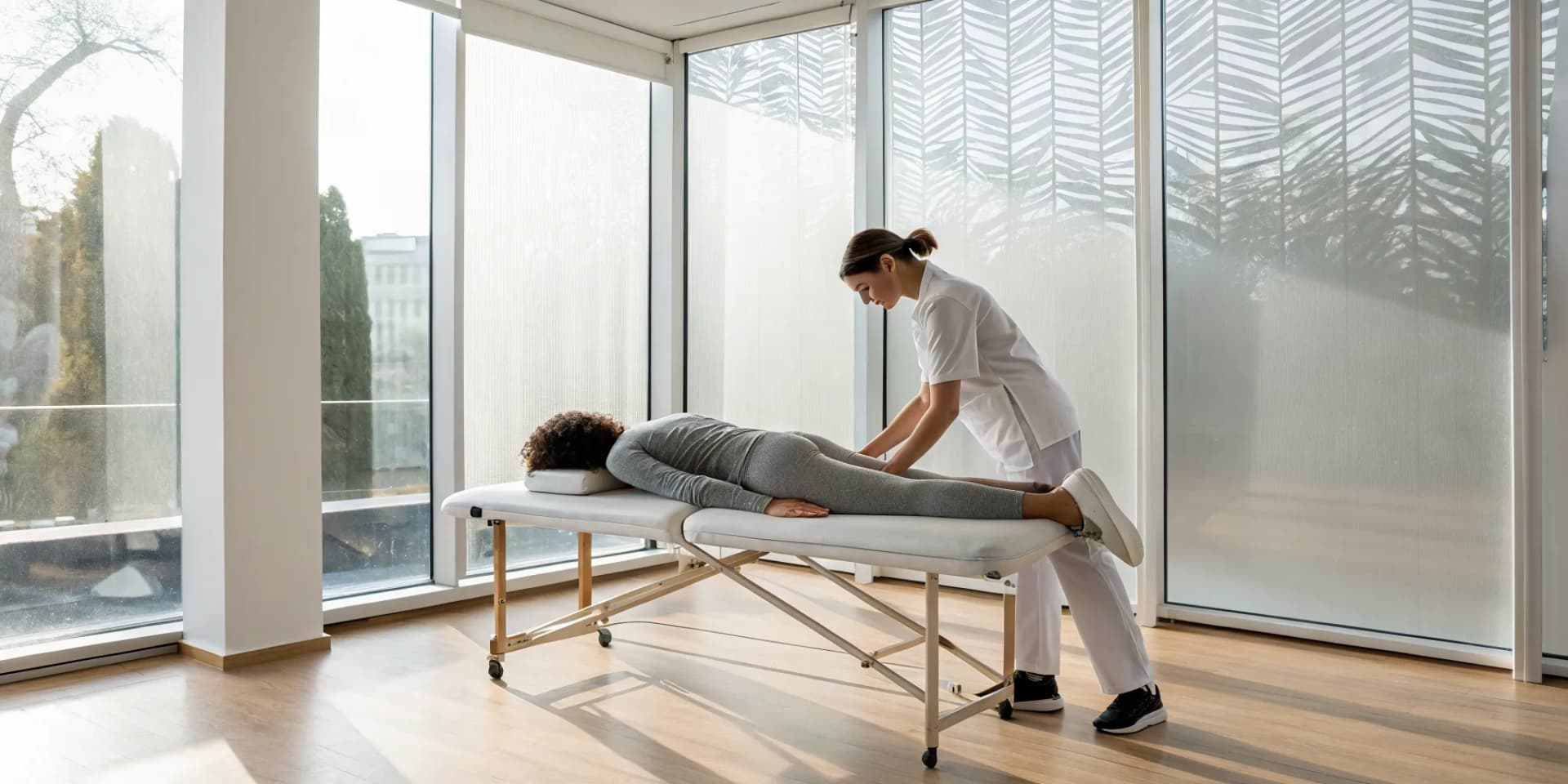
Non-Surgical Treatment for Bulging Disc: A Guide
33 Min ReadHealthSource Chiropractic
"Does this mean I need surgery?" It's the first question nearly every patient asks after a bulging disc diagnosis. The persistent myth that surgery is the only "real" fix can be a major hurdle to recovery. This guide is designed to help you confidently debunk that myth. We will provide a clear framework for explaining why a well-structured non-surgical treatment for bulging disc is not only the standard of care but is also highly effective for the vast majority of patients. We’ll cover the evidence, the key components of a successful plan, and how to manage patient expectations for a smooth and successful healing journey.
Key Takeaways
- Start with Non-Surgical Treatment First: For the vast majority of bulging disc cases, a conservative approach is the most successful path. A structured plan involving targeted therapies is proven to provide lasting relief, making surgery a last resort, not a first choice.
- Combine Therapies for a Stronger Recovery: The best outcomes happen when different treatments work in harmony. Chiropractic care helps restore spinal mechanics while physical therapy builds supportive strength, creating a comprehensive plan that addresses the root cause from all angles.
- Your Daily Habits Are Crucial for Healing: Choices you make every day directly impact your recovery. Simple adjustments like incorporating low-impact exercise, improving your posture, and managing inflammation through diet can significantly accelerate healing and prevent future issues.
What Is a Bulging Disc?
As a chiropractor, you see it on patient charts every day. A bulging disc happens when the soft, gel-like center of a spinal disc, the nucleus pulposus, pushes against its tough outer ring, the annulus fibrosus. Think of it like a tire that’s a bit underinflated and bulges out on the sides. The disc itself remains intact but extends beyond its normal space between the vertebrae. This is a common part of the aging process and a frequent source of patient complaints.
While the term sounds alarming to patients, many bulging discs are asymptomatic and are only discovered through imaging for other issues. The problem arises when the bulge becomes significant enough to press on nearby nerve roots or the spinal cord itself. This is where your expertise becomes critical. Effectively diagnosing and treating these cases is a cornerstone of a successful practice, and it’s a key part of the comprehensive HealthSource clinical model. By providing clear, effective treatment plans, you can deliver the outcomes that build patient trust and grow your clinic.
Bulging vs. Herniated: What's the Difference?
Explaining the difference between a bulging and a herniated disc is a conversation you’ve likely had hundreds of times. While the terms are often used interchangeably by patients, the distinction is important for setting treatment expectations. The key difference is containment. With a bulging disc, the outer layer of the disc is stretched and weakened but remains intact. In contrast, a herniated disc involves a tear or rupture in that outer wall, allowing the inner nucleus pulposus to leak out.
To put it simply for patients: a bulging disc is a stretched container, while a herniated disc is a broken one. Although a herniated disc is generally considered more severe, both conditions can cause significant pain and neurological symptoms if they compress a nerve. Clarifying this helps patients understand their diagnosis and the reasoning behind your recommended care plan.
Symptoms Based on Spinal Location
A bulging disc is only a problem when it makes its presence known. Symptoms are entirely dependent on the disc’s location and whether it’s irritating an adjacent nerve. Pain or neurological issues happen when the disc compresses a nerve root or the spinal cord, triggering inflammation and disrupting signals.
In the cervical spine, a bulging disc can cause pain, numbness, or weakness that radiates from the neck into the shoulder, arm, and hand. In the lumbar spine, it’s the classic cause of sciatica, with sharp, shooting pain that travels down the buttock and into the leg. Thoracic bulging discs are less common but can produce pain that wraps around the chest or abdomen, sometimes mimicking heart or stomach problems. Pinpointing the location through a thorough examination is the first step toward effective, targeted treatment.
Key Causes and Risk Factors
Bulging discs can develop from a single event or slowly over time. The most common cause is simply the natural aging process, as discs lose water content and become less flexible. Repetitive movements, poor posture, and improper lifting techniques can also place cumulative stress on the spine, leading to disc damage. An acute injury from a fall, car accident, or sports incident can also cause a disc to bulge suddenly.
Certain factors increase a person’s risk. The condition is most common in people aged 30 to 50, and men are about twice as likely as women to experience it. There’s also a genetic component, meaning it can run in families. Understanding these risk factors helps you educate patients on preventive strategies, which is a vital service that underscores the growing demand for chiropractic care.
Can Non-Surgical Treatment Really Work?
If you’re dealing with the persistent pain of a bulging disc, the thought of surgery can be daunting. The good news is that for the vast majority of people, it’s not the only option. In fact, non-surgical treatment is the standard starting point, and it has a high rate of success. The goal of a non-surgical approach isn't just to mask the pain; it's to address the root causes by reducing inflammation, strengthening the muscles that support your spine, and restoring healthy movement.
This path empowers you to take an active role in your recovery. By working with a provider to create a personalized plan, you can often find lasting relief and get back to your life without ever needing to go under the knife. A comprehensive strategy combines targeted therapies, specific exercises, and lifestyle adjustments to help your body heal itself. It’s a proactive and effective way to manage symptoms and prevent future problems. Let's look at what the research says, when this path is right for you, and what you can expect from a typical treatment plan.
What the Research Says
It’s natural to wonder if conservative care is powerful enough for a problem that feels so significant, and the research is very reassuring. Studies show that up to 90% of herniated discs heal without surgery. The focus of successful non-surgical treatment is on reducing inflammation and building core muscle strength to better support the spine.
Most people with lumbar disc issues are first treated with non-surgical methods because they work well to reduce pain and disability, with fewer risks and lower costs than surgery. In fact, about 80% of people feel better within four to six weeks. While surgery might offer quicker pain relief initially, long-term studies show that both non-surgical and surgical approaches often lead to very similar results.
When to Choose a Non-Surgical Path
For nearly everyone with a bulging or herniated disc, the non-surgical path is the first and best choice. The simple truth is that most people with this condition do not need surgery. Initial treatment often begins with a combination of rest, targeted exercises, and other conservative therapies. This approach is considered the gold standard unless there are specific, serious warning signs.
Surgery is typically only considered if the pain is severe and doesn't improve after about six weeks of dedicated non-surgical treatment. It may also be recommended if you experience progressive or severe nerve problems, like significant muscle weakness. But for the average case, a well-structured non-surgical treatment plan is the most logical and effective place to start your healing journey.
Your Non-Surgical Treatment Plan: What to Expect
A non-surgical plan is much more than just waiting for the pain to go away. It’s an active process tailored to your specific needs. Physical therapy is a cornerstone of this approach, with a strong focus on strengthening your core muscles. These muscles act as a natural corset for your spine, providing stability and taking pressure off the affected disc.
Your plan will likely include a mix of therapies. Specific exercises are crucial for strengthening your core, which helps support your spine, reduce pain, and improve your overall movement. In addition to targeted exercises, your provider may use gentle stretching to improve flexibility, hands-on manual therapy or massage to release tight muscles, and heat or ice to manage inflammation and pain.
How Physical Therapy Aids Recovery
When a patient is dealing with a bulging disc, your first goal is to get them out of pain and restore their function. Physical therapy is a cornerstone of this non-surgical approach, working hand-in-hand with chiropractic adjustments to create a comprehensive recovery plan. It’s about more than just a list of exercises; it’s a structured program designed to address the root causes of instability and weakness that contribute to disc issues. By integrating targeted therapeutic exercises and manual techniques, you can help patients build resilience against future injuries.
This active approach empowers patients, giving them the tools to manage their symptoms and participate directly in their healing process. A well-designed PT program focuses on strengthening supporting muscles, improving flexibility, and correcting postural imbalances that place undue stress on the spine. For chiropractors, incorporating these principles means you can offer a more holistic treatment path that not only alleviates current pain but also builds a stronger foundation for long-term spinal health. This aligns perfectly with the HealthSource model, which emphasizes delivering unmatched patient outcomes through a state-of-the-art clinical system.
Build Core Strength and Stability
A stable spine starts with a strong core. When we talk about the core, we’re not just referring to the abdominal muscles; it’s the entire muscular corset that wraps around the torso. Physical therapy programs for disc issues focus on strengthening these deep "core" muscles in the back, stomach, and glutes. A strong, engaged core acts like a natural brace for the spine, improving posture and taking significant pressure off the intervertebral discs and nerves.
According to NYU Langone Health, this focus on core strength is fundamental to reducing pain and preventing further damage. By teaching patients how to properly activate these muscles, you give them a powerful tool for stabilizing their lower back during everyday movements, from lifting groceries to sitting at a desk.
Improve Flexibility, Mobility, and Posture
Pain and inflammation from a bulging disc often lead to muscle guarding and stiffness, which severely limits a patient's mobility. Gentle stretching and mobility exercises are key to counteracting this. The goal is to restore a healthy range of motion in the hips and spine without aggravating the affected disc. Improved flexibility helps decrease tension in the muscles surrounding the spine, which can be a major source of discomfort.
As research highlights, avoiding long periods of rest and staying active is crucial for recovery. By guiding patients through safe movements, you can help them regain confidence and improve their overall function. Correcting posture is another critical piece of the puzzle, as it ensures that the spine is properly aligned, minimizing daily wear and tear.
An Introduction to Manual Therapy
Manual therapy involves skilled, hands-on techniques that a clinician uses to diagnose and treat soft tissues and joint structures. For patients with bulging discs, techniques like mobilization (gentle, passive movements) and manipulation (stronger, quick movements) can be incredibly effective. These methods help improve joint mobility, reduce stiffness, and provide significant short-term pain relief by addressing restrictions in the spine and surrounding tissues.
As a chiropractor, you’re already an expert in spinal manipulation. Integrating other manual therapy techniques common in physical therapy can broaden your treatment toolkit. This collaborative approach allows you to address both joint mechanics and muscular imbalances, offering patients a more complete and effective path to recovery.
Understanding the McKenzie Method
The McKenzie Method, also known as Mechanical Diagnosis and Therapy (MDT), is a highly effective system for assessing and treating spinal and extremity pain. For bulging discs, its primary goal is "centralization," a phenomenon where pain that has radiated into the leg or arm retreats back toward the center of the spine. This is often achieved through specific, repeated movements and sustained positions that the patient performs.
What makes the McKenzie Method so powerful is its emphasis on patient education and self-treatment. Once you identify the correct directional preference for a patient, you can prescribe a simple set of exercises they can do at home to manage their symptoms and prevent recurrence. It empowers patients to take control of their pain.
Exercise Precautions to Keep in Mind
While movement is medicine, the wrong kind of movement can set a patient's recovery back. It’s essential to educate them on which activities to avoid, especially in the acute phase of a bulging disc injury. High-impact activities like running on hard surfaces or jumping put excessive compressive force on the spine and should be paused.
Patients should also be cautious with heavy lifting, particularly with a rounded back, and forceful twisting motions like a full golf swing or Russian twists. According to experts, even seemingly harmless stretches like deep forward bends to touch the toes can exacerbate a disc bulge if they cause pain. The key is to guide patients toward movements that feel good and avoid any that trigger their symptoms.
The Role of Medication in Symptom Management
While the goal is always to address the root cause of a bulging disc, managing your symptoms is a crucial first step. When pain and inflammation are under control, you can more effectively engage in corrective treatments like physical therapy and chiropractic care. Medication can serve as a helpful bridge, providing the relief needed to get you through the acute phase of pain and allow your body to begin the real work of healing.
Think of it this way: if you’re in too much pain to move, you can’t do the exercises that will ultimately make you better. Several types of medication can help reduce pain and inflammation, each with a specific role. Many of these options are part of a broader plan for nonsurgical treatments for a herniated disc and are typically intended for short-term use. As your chiropractor, we believe in an integrated approach, and understanding these options is part of building a comprehensive care plan that works for you. This philosophy is central to the HealthSource business model, which combines chiropractic care with other modalities for the best patient outcomes.
Over-the-Counter Pain Relievers and NSAIDs
For mild to moderate pain, your first line of defense is often an over-the-counter medication. Nonsteroidal Anti-Inflammatory Drugs (NSAIDs) are a popular choice because they tackle both pain and inflammation. Common examples you probably have in your medicine cabinet include ibuprofen, naproxen, and aspirin. These work by reducing the swelling around the affected disc and nerves, which can provide significant relief. If these aren't quite strong enough to manage your symptoms, your healthcare provider might recommend a prescription-strength version to give you the anti-inflammatory effect you need to feel more comfortable.
When to Use Muscle Relaxants
Sometimes, a bulging disc doesn't just cause pain at the source; it can also pinch a nerve, leading to painful and debilitating muscle spasms in your back or legs. If you're experiencing this, muscle relaxants can be very effective. These prescription medications are designed to calm the spasming muscles and break the pain cycle. They are generally prescribed for short-term use, often for just one to two weeks, to help you get through the most intense period of muscle tightness. This temporary relief can make it possible for you to rest more comfortably and participate in gentle stretching or therapy.
Understanding Oral Corticosteroids
When inflammation is severe, your doctor might prescribe a short course of oral corticosteroids. These are powerful anti-inflammatory medications that work systemically to reduce swelling throughout your body. For a bulging disc, they can dramatically decrease the inflammation near the affected nerve root, which in turn relieves the pressure causing your pain. Because they are so potent, corticosteroids are typically prescribed for a limited time, usually a 7-to-10-day tapering dose. This short-term, high-impact approach can be a game-changer for getting acute inflammation under control so other treatments can be more effective.
A Guide to Prescription Pain Relievers
If your pain is severe and isn't responding to NSAIDs or other conservative measures, your doctor may consider a short-term prescription for stronger pain relievers. The goal here is not long-term use but immediate, temporary relief from acute pain. These medications are typically prescribed for a very short duration, sometimes up to a week, to help you get over the worst of the pain. This can provide a crucial window of comfort, allowing you to begin physical therapy or receive a chiropractic adjustment without being limited by intense pain. They are a tool to help you move forward with your recovery plan.
Exploring Chiropractic and Interventional Options
Beyond physical therapy and medication, a well-rounded, non-surgical treatment plan often includes chiropractic care and other targeted interventions. These approaches can directly address spinal mechanics and severe inflammation, creating the right conditions for the body to heal. By combining these methods, you can offer patients a powerful, multi-faceted strategy for recovery that goes beyond simple symptom management. This integrated approach is central to providing comprehensive care and achieving better patient outcomes.
Spinal Manipulation and Decompression Therapy
As a chiropractor, you know that restoring proper joint function is key. For patients with bulging discs, spinal manipulation is a cornerstone of treatment. This hands-on technique involves applying a controlled force to a specific spinal joint to improve its motion and help the body function better. It’s a precise way to address the biomechanical issues contributing to the patient's pain.
Another excellent non-surgical option is spinal decompression therapy. This method involves gently stretching the spine, which creates negative pressure within the targeted disc. This vacuum effect can help retract the bulging disc material, taking pressure off the surrounding nerves and providing significant relief. It’s a safe and effective way to facilitate healing without invasive procedures.
Using Epidural Steroid Injections for Pain
When a patient’s inflammation is so severe that it prevents them from participating in physical therapy or chiropractic care, an epidural steroid injection can be a useful tool. These injections deliver anti-inflammatory medication directly to the source of the pain around the spinal nerves. The goal isn't to "fix" the bulge but to calm the intense inflammation and break the pain cycle.
By reducing the swelling and irritation, the injection can provide a crucial window of relief. This allows the patient to engage more comfortably and effectively with the active therapies you provide, like adjustments and rehabilitative exercises. It’s a great example of how medical and chiropractic care can work together to move a patient forward in their recovery.
What to Expect from an Injection
It’s helpful to prepare patients for what an epidural steroid injection involves so they feel more comfortable with the process. The injection procedure itself is relatively quick, usually taking less than 30 minutes from start to finish. It’s performed with a local anesthetic to minimize discomfort.
While some patients report feeling pain relief almost immediately, it’s more common for the full anti-inflammatory effects to build over several days. Setting this expectation is important. The primary benefit is the reduction in pain and inflammation that follows, which makes it possible for them to return to your clinic ready to make real progress with their physical rehabilitation and chiropractic adjustments.
How Chiropractic, Injections, and PT Work Together
The most successful outcomes often happen when different treatments are thoughtfully combined. When you create a comprehensive treatment plan, you can leverage the unique strengths of each modality. For example, an epidural steroid injection can provide the initial pain relief needed for a patient to tolerate manual therapy.
Once the acute inflammation is under control, your chiropractic adjustments can work more effectively to restore spinal alignment and mobility. At the same time, physical therapy can focus on building the core strength and stability needed to support the spine long-term. This synergistic approach ensures you’re not just managing symptoms but are actively correcting the underlying problem and preventing future recurrences.
Lifestyle Habits That Support Healing
While in-clinic treatments are the cornerstone of recovery, the habits patients practice every day are just as critical for healing a bulging disc. As a chiropractor, you can empower your patients by educating them on lifestyle modifications that support the work you do. These changes not only accelerate recovery but also help prevent future injuries by addressing underlying contributors to spinal stress. By integrating guidance on exercise, ergonomics, and nutrition into your care plans, you provide a truly holistic path to wellness. This comprehensive approach reinforces your role as a primary care provider for musculoskeletal health and demonstrates the depth of care your clinic offers. It’s about creating a partnership with your patients where their daily choices actively contribute to their long-term success and spinal health.
The Importance of Low-Impact Exercise and Weight Management
One of the most common myths you’ll have to bust is that bed rest is the answer. In reality, staying active with low-impact movements is essential. Exercises like swimming, walking, or using an elliptical machine can strengthen the core and back muscles that support the spine without adding jarring stress. This helps stabilize the affected area and improve circulation. Just as important is managing weight. Extra body weight, particularly around the abdomen, puts a constant strain on the lumbar spine, which can worsen disc issues. Guiding patients toward a healthy weight isn't just general advice; it's a specific strategy to reduce mechanical load on their discs. This focus on lifestyle factors is a key reason why the demand for chiropractic services continues to grow.
Simple Ergonomic Changes for Everyday Life
Many patients unknowingly contribute to their spinal problems through poor daily habits. This is where teaching simple ergonomic principles becomes a powerful tool. It’s about helping patients set up their daily environment to support, not strain, their spine. This could mean adjusting their office chair so their feet are flat on the floor, positioning their computer monitor at eye level, or using a lumbar pillow in the car. You can also demonstrate proper lifting techniques, emphasizing bending at the knees and engaging the core. These small, consistent adjustments can make a huge difference in reducing daily spinal stress. This type of comprehensive patient education is a core part of the HealthSource business model, which focuses on delivering unmatched patient outcomes.
How to Use Heat and Cold Therapy at Home
Teaching patients how to correctly use heat and cold therapy at home gives them a safe and effective way to manage symptoms between appointments. Explain that cold therapy, or cryotherapy, is best for acute pain and inflammation, especially within the first 48 hours of a flare-up. An ice pack wrapped in a towel and applied for 15-20 minutes can help constrict blood vessels, reducing swelling and numbing pain. Conversely, heat therapy is ideal for chronic stiffness and muscle tension. A heating pad or warm compress improves blood flow, which helps relax tight muscles and promotes healing. Advising patients to apply heat or ice gives them an immediate, actionable step for relief.
Eating an Anti-Inflammatory Diet
The link between diet and pain is often overlooked, but inflammation is a major driver of discomfort from a bulging disc. You can guide patients toward an anti-inflammatory diet to help manage this from the inside out. This involves encouraging foods rich in omega-3s, like fatty fish and walnuts, along with colorful fruits, leafy greens, and spices like turmeric. Just as important is advising them to limit pro-inflammatory foods, such as sugar, refined grains, and processed snacks. Don’t forget to stress the importance of hydration; intervertebral discs need water to stay plump and healthy. Offering nutritional guidance can be a valuable part of your practice and is one of the seven unique revenue streams available to HealthSource franchisees.
Mind-Body Practices for Pain Management
Chronic pain and stress are closely linked; one often makes the other worse. Introducing patients to mind-body practices can help them break this cycle. Techniques like deep diaphragmatic breathing, guided meditation, or gentle, restorative yoga can help calm the nervous system. This not only helps manage the perception of pain but also reduces the muscle tension that often accompanies it. These practices give patients a sense of control over their condition, which is incredibly empowering. By incorporating these recommendations, you foster a supportive and positive healing environment, which is a hallmark of the rich franchisee culture at HealthSource. It’s about treating the whole person, not just the spine.
Are Alternative Therapies a Good Idea?
As a clinic owner, you’re always looking for effective ways to improve patient outcomes. Integrating complementary therapies alongside your core chiropractic and rehab services can be a powerful way to do just that. While not a substitute for your primary treatment plan, therapies like massage and acupuncture can provide significant symptom relief for patients with bulging discs and create a more holistic healing environment. Offering these services can also be a smart business decision, contributing to the diversified income streams that help a modern practice thrive and differentiate you from competitors.
The key is to view these therapies as valuable additions to a comprehensive, evidence-informed strategy. When you combine them with foundational treatments like physical therapy and spinal adjustments, you create a synergistic effect that can accelerate recovery and improve patient satisfaction. This integrated approach is a hallmark of a sophisticated chiropractic business model that puts patient results first. It shows patients you are committed to their complete well-being, which builds trust and loyalty. By thoughtfully incorporating these options, you not only enhance your clinical toolkit but also position your practice as a comprehensive wellness destination that stands out in your community.
Can Massage Therapy Help?
For patients struggling with the pain and stiffness of a bulging disc, massage therapy can be an incredibly effective adjunct treatment. A skilled therapist can help reduce localized swelling, ease painful muscle spasms, and decrease overall pain associated with the condition. It works especially well when used to prepare a patient for an adjustment or as a follow-up to a physical therapy session. By calming irritated muscles and improving circulation to the affected area, massage therapy enhances the effectiveness of other treatments and provides patients with immediate, tangible relief.
Acupuncture as a Complementary Option
Acupuncture is another complementary therapy that many patients find helpful for managing bulging disc symptoms. The practice is thought to work by increasing blood flow to the spine and stimulating the body to release its own natural pain relievers, like endorphins. A typical session lasts between 20 and 40 minutes, and a series of treatments is often recommended to achieve the best results. For patients who are seeking non-pharmaceutical pain management options, offering acupuncture can be a valuable part of a well-rounded care plan that addresses their discomfort from multiple angles.
Weighing the Evidence for Alternative Care
While many patients report positive results, it’s important to remember that alternative therapies should be positioned as part of a complete treatment plan, not as standalone cures. The scientific evidence supporting their effectiveness can vary, and they consistently show the most benefit when combined with core treatments like physical therapy and expert chiropractic management. By integrating these services thoughtfully, you can provide a superior level of care. This collaborative approach is a cornerstone of the supportive and rich franchisee culture we foster, where practitioners share insights to achieve the best possible patient outcomes.
Debunking Myths About Non-Surgical Treatment
As a practitioner, you know that patient education is a huge part of what you do. When a patient comes to you with a bulging disc, they often bring a lot of fear and misinformation with them, picked up from a quick internet search or a well-meaning friend. Clearing up these misconceptions is the first step in building trust and setting the stage for a successful treatment plan. Let's walk through some of the most common myths you’ll encounter and how to address them with confidence, backed by an evidence-based approach. This is where a systematic clinical model becomes invaluable, helping you guide patients toward real, lasting relief.
Myth: "Complete Rest Is the Best Medicine"
The old advice to lie in bed until the pain goes away has been thoroughly debunked, but it’s a surprisingly persistent myth. While a short period of rest might be needed during an acute flare-up, extended inactivity is counterproductive. Gentle, controlled movement is actually crucial for recovery. It helps reduce stiffness, improve blood flow to the injured area, and prevent the muscle guarding and weakness that comes from being sedentary. Your role is to help patients differentiate between harmful activities and therapeutic exercises. A comprehensive business model that integrates chiropractic care with active rehab gives you the tools to prescribe and supervise the right movements, ensuring your patients stay active safely and effectively.
Myth: "Surgery Is the Only Permanent Solution"
Many patients believe that surgery is the only way to "fix" a bulging disc permanently. This fear often leads them to see conservative care as a temporary stopgap. However, the evidence tells a different story. The vast majority of bulging disc cases resolve beautifully with non-surgical methods. Surgery is rarely the first line of defense and is typically reserved for a small percentage of cases where conservative care has failed or when severe neurological symptoms are present. You can confidently reassure patients that a structured plan involving chiropractic adjustments, physical rehabilitation, and lifestyle changes is the standard of care. This approach addresses the underlying biomechanical issues, offering a true, long-term solution for most people.
Myth: "An MRI Showing a Bulge Always Requires Treatment"
An MRI report can be terrifying for a patient. Seeing the words "bulging disc" in black and white often feels like a life sentence. As you know, this is a perfect example of why we treat the patient, not the picture. The presence of a bulging disc on an MRI doesn't always correlate with pain or dysfunction; in fact, asymptomatic disc bulges are incredibly common, especially as people age. Your clinical examination, which assesses function, movement patterns, and neurological integrity, is far more important than the imaging report alone. This is your opportunity to be the expert, explaining that your treatment plan will be based on their specific symptoms and functional goals, not just a shadow on a film.
Myth: "Non-Surgical Options Are Just a Temporary Fix"
This myth is closely related to the idea that surgery is the only "real" solution. Patients may worry that chiropractic care or physical therapy will only provide short-term pain relief. It's our job to shift their perspective from passive symptom management to active, long-term healing. A comprehensive, non-surgical plan does more than just alleviate immediate pain; it corrects the root causes. By improving spinal mechanics, strengthening core muscles, and educating patients on proper ergonomics and movement, you empower them to build a more resilient body. This integrated approach provides lasting results and significantly reduces the risk of recurrence, proving that conservative care is a powerful and permanent solution.
When Is Surgery the Right Choice?
For the vast majority of people with a bulging disc, the answer is simple: non-surgical treatment works. In fact, research shows that for about nine out of ten people, symptoms from a herniated disk improve without ever needing surgery. The goal is always to find relief through conservative care first. This is where a comprehensive, multi-faceted approach becomes so important, combining physical therapy, chiropractic care, and lifestyle adjustments to create a powerful healing environment for the body. This kind of integrated care is the foundation of a modern, patient-focused chiropractic business model.
However, there are times when surgery becomes a necessary conversation. It’s typically considered when pain persists for more than six weeks despite consistent non-surgical treatment. Other factors include having significant trouble standing or walking, or when the pain begins to seriously affect your mental health and quality of life. The decision to pursue surgery is a significant one, made after careful consideration and consultation with a team of healthcare providers. It’s not a first resort, but rather a path to consider when other avenues have been thoroughly explored and haven’t provided the needed relief.
Red Flags That Signal a Need for Urgent Care
While most bulging disc symptoms can be managed with a planned treatment approach, some signs require immediate medical attention. These "red flags" indicate a more serious issue that could lead to permanent damage if not addressed quickly. The most critical warning sign is the loss of bladder or bowel control, which points to a rare but serious condition called cauda equina syndrome and requires emergency care.
You should also seek urgent care if your pain becomes so severe that it prevents you from performing basic daily activities. If your symptoms suddenly get much worse instead of better, or if they haven't shown any improvement after four to six weeks of consistent treatment, it's time to consult your provider right away.
Signs Your Non-Surgical Plan Is Working
So, how do you know if your non-surgical treatment is on the right track? Patience is key, but you should start to see positive changes within a specific timeframe. Most people feel a significant improvement within four to six weeks of starting a consistent treatment plan. This could mean less intense pain, a greater range of motion, or the ability to return to activities you had to put on hold.
It’s encouraging to know that about 80% of people find relief with non-surgical care. While surgery might offer quicker pain reduction in some cases, studies show that long-term outcomes for both non-surgical and surgical treatments are often very similar. Seeing steady, gradual improvement is a clear sign that your body is responding well to therapies like physical therapy, chiropractic adjustments, and targeted exercises. This reinforces the value of a system that offers patients a variety of non-surgical solutions.
How to Find the Right Healthcare Provider
When you’re dealing with the pain and uncertainty of a bulging disc, finding the right professional is the most important step you can take. It’s not just about getting a diagnosis; it’s about finding a partner who will create a personalized roadmap for your recovery. The goal is to find a provider who understands the complexities of spinal conditions and can offer a tailored, non-surgical approach.
Look for a specialist who goes beyond a one-size-fits-all solution. A great provider will conduct a thorough evaluation to understand your specific situation before ever suggesting a treatment. They should be able to explain what’s happening in your body in a way that makes sense and present a clear, personalized plan that addresses the root cause of your pain, not just the symptoms. This often involves a different kind of business model that integrates multiple therapies under one roof for a more complete approach to patient care.
The most effective non-surgical plans often combine several different strategies. Your provider should act as the coordinator for your care, integrating treatments like spinal adjustments, targeted physical therapy, and lifestyle education to support your healing from every angle. This integrated care model ensures all aspects of your treatment are working together, which can lead to better and faster results.
As you search for a provider, don't hesitate to ask questions. Inquire about their experience with bulging discs, what their evaluation process looks like, and how they create and adjust treatment plans. The best clinicians are committed to excellence and are backed by extensive franchise training and support to stay at the forefront of patient care. Finding someone who is confident, clear, and focused on your long-term well-being is a sign you’re in the right place.
Frequently Asked Questions
How long will it take for my bulging disc to feel better with non-surgical treatment? While every person’s recovery is unique, most people start to feel a significant improvement within four to six weeks of starting a consistent treatment plan. The key is patience and sticking with the program your provider creates for you. Lasting healing is a process, not an overnight fix, but you should see steady progress as you reduce inflammation and build strength.
I'm scared to move. What activities are safe, and which ones should I avoid? It's completely normal to feel apprehensive about movement when you're in pain. However, gentle activity is one of the best things for your recovery. Low-impact exercises like walking, swimming, or using an elliptical are great for strengthening your back without adding stress. For now, you should avoid high-impact activities like running and jumping, as well as heavy lifting or any forceful twisting motions that cause pain.
Will non-surgical treatment provide lasting relief, or is the pain likely to come back? The goal of a comprehensive non-surgical plan is to provide a long-term solution, not just a temporary patch. By focusing on strengthening your core muscles, improving your posture, and correcting spinal mechanics, you are addressing the root causes of the problem. This approach helps build a more resilient body and significantly reduces the chances of the pain returning.
With so many options like physical therapy and chiropractic care, what is the most important part of my recovery? The most important part of recovery is not one single thing, but rather the combination of treatments working together. Think of it as a team effort. Chiropractic adjustments restore proper motion to your spine, physical therapy builds the strength to support it, and your own daily habits, like good posture, protect it. A successful plan integrates all these elements to help you heal completely.
My doctor said I have a bulging disc, but my friend had a herniated disc. Are they the same thing? That's a great question, as the terms are often confused. The main difference is whether the outer wall of the disc is intact. A bulging disc is like a tire that's underinflated and bulges out on the side; the wall is stretched but not broken. A herniated disc is when that wall has a tear, allowing the soft center to leak out. While a herniation is generally more severe, both conditions can cause pain and typically respond very well to non-surgical care.


