
Best Laser Treatment for Lower Back Pain: A Pro's Guide
29 Min ReadHealthSource Chiropractic
For every chiropractor, there are patients who present a unique challenge: those with stubborn, chronic lower back pain that no longer responds to adjustments alone. You provide relief, but the underlying inflammation and tissue damage persist, creating a frustrating cycle for both you and the patient. This is where laser therapy can be a game-changer. It works at a cellular level to reduce inflammation, accelerate tissue repair, and provide significant pain relief without medication or surgery. This guide explores how incorporating the best laser treatment for lower back pain can break through those plateaus, delivering the lasting results your patients deserve and reinforcing your clinic’s reputation for solving the toughest cases.
Key Takeaways
- Offer a modern, non-invasive treatment: Laser therapy promotes healing at the cellular level, providing a science-backed way to reduce pain and inflammation without medication or downtime, which enhances patient satisfaction.
- Strategically choose your technology: Different laser types, like precise LLLT and powerful HILT, are suited for specific conditions; understanding them allows you to make an informed investment that expands your clinic's treatment capabilities.
- Integrate for better results and revenue: Combining laser therapy with chiropractic care and rehab not only improves patient outcomes but also creates a comprehensive care model, adding a valuable cash-based service to your practice.
What Is Laser Therapy for Lower Back Pain?
As a clinic owner, you're always looking for ways to deliver better patient outcomes and set your practice apart. Laser therapy is a modern, non-invasive treatment that can do just that. It uses focused light energy to penetrate the skin and stimulate healing deep within the tissues of the lower back. Unlike surgical lasers that cut or burn, this therapeutic approach works at a cellular level to reduce pain and inflammation. For your patients, this means a path to recovery without relying on medication or dealing with significant downtime.
For your practice, it means adding a sophisticated, evidence-based tool that complements the hands-on care you already provide. Integrating laser therapy allows you to address a wider range of conditions, from acute injuries to chronic pain that hasn't responded to other treatments. It’s a powerful way to enhance your clinic's capabilities, improve patient satisfaction, and reinforce your position as a leader in comprehensive wellness care. By offering advanced solutions like this, you can attract more patients and build a stronger, more resilient business.
How It Works: The Science Behind Laser Therapy
The science behind laser therapy is a process called photobiomodulation. In simple terms, it’s like giving your cells a powerful energy boost to kickstart the healing process. The laser device emits specific wavelengths of light that are absorbed by mitochondria, the tiny powerhouses inside our cells. This absorption ramps up cellular energy production, helping damaged cells repair themselves more efficiently. This process uses light energy to alleviate pain and reduce the swelling that often accompanies back injuries. The entire treatment is painless and precisely targets the problem area, leaving surrounding healthy tissue completely unaffected.
What Conditions Can It Treat?
One of the biggest advantages of laser therapy is its versatility. It’s an effective tool for a wide range of patient issues, making it a valuable addition to any chiropractic clinic. You can use it to address common sources of back pain like disc herniations, sciatica, and facet joint arthritis by reducing inflammation and supporting the body's natural healing response. It's also an excellent option for various chronic and acute back pain conditions, including degenerative disc disease, stubborn muscle strains, and ligament sprains. By incorporating laser therapy, you can offer effective relief for patients who have hit a plateau with other treatments, expanding the scope of care your clinic provides.
Exploring the Types of Laser Therapy
When we talk about laser therapy, it’s not a single, uniform treatment. Think of it as a toolkit, with different instruments designed for specific jobs. Understanding the nuances between these therapies is crucial for any clinic owner looking to integrate this technology. Each type uses light energy in a distinct way, offering unique benefits for different patient needs and conditions. Choosing the right one means you can deliver more precise, effective care and build on your clinic's reputation for excellent outcomes, which is the cornerstone of a thriving practice.
Adding laser therapy to your practice is more than just a new service; it's a strategic move to expand your clinical capabilities and create one of several unique revenue streams. By getting familiar with the primary types of laser therapy, you can make an informed decision about which technology best aligns with your patient base and your clinic’s growth goals. From low-level lasers that gently encourage cellular repair to high-intensity systems that penetrate deep into tissues, each has a place in a modern, comprehensive care model. Let's look at the main options available to see how they can fit into your clinic's services.
Low-level laser therapy (LLLT)
Often called cold laser therapy, LLLT uses low-intensity light to stimulate healing at a cellular level. It’s a go-to for reducing pain and inflammation without generating any heat, making it a completely painless experience for your patients. A well-known example is the Erchonia FX 635, which uses a specific wavelength of light (635 nm) to help damaged cells repair themselves and reduce swelling. One of the biggest advantages of LLLT is its precision. The light energy is absorbed only by the targeted damaged cells, leaving healthy tissue unaffected. This makes it an excellent, gentle option for treating localized pain and promoting recovery.
High-intensity laser therapy (HILT)
As the name suggests, high-intensity laser therapy delivers a significantly more powerful dose of light energy compared to LLLT. This increased power allows the therapeutic light to penetrate deeper into the body’s tissues and treat a much wider area in less time. This can be a major advantage in a busy clinic setting. While LLLT is great for superficial issues, HILT is often used for more chronic and deep-seated musculoskeletal conditions. The higher energy dose can produce a mild warming sensation, which many patients find soothing. This therapy is a powerful tool for when you need to address issues that lie far beneath the skin.
Cold laser therapy and MLS laser therapy
While "cold laser" is often used interchangeably with LLLT, it’s also associated with specific systems like Multiwave Locked System (MLS) laser therapy. MLS therapy is unique because it synchronizes two different therapeutic wavelengths of light to treat pain, inflammation, and edema simultaneously. This dual-action approach can produce faster and longer-lasting results. A key benefit is its versatility. You can use MLS laser therapy as a standalone treatment or easily combine it with other therapies, including chiropractic adjustments and physical therapy. It’s designed to target the underlying cause of pain, not just mask the symptoms, which aligns perfectly with a holistic approach to patient wellness.
Class IV laser therapy
Class IV lasers are the most powerful therapeutic lasers available for clinical use. They deliver a strong beam of light that can penetrate very deep into the body, making them highly effective for treating severe and chronic back pain. The primary mechanism behind Class IV laser therapy is a process called photobiomodulation, which stimulates the mitochondria within cells to produce more energy (ATP). This energy boost helps cells repair damage and regenerate new tissue more quickly. Despite its power, the treatment is non-invasive and comfortable for the patient. For clinics treating tough, persistent conditions, a Class IV laser can be a game-changing addition to your treatment offerings.
Just How Effective Is Laser Therapy for Back Pain?
When you're considering adding a new modality to your clinic, the first question is always: "Does it actually work?" With laser therapy, the evidence is compelling. This non-invasive treatment is gaining traction for a good reason, offering a scientifically-backed way to provide significant pain relief for patients struggling with lower back pain. But effectiveness isn't just about a single treatment; it's about understanding the data, how long the results last, and what factors can shape a patient's outcome. Let's get into the specifics so you can see how this could fit into your practice.
A Look at the Research
The clinical support for laser therapy is growing, and the numbers speak for themselves. One key randomized study showed that 72.4% of patients treated with a specific low-level laser system found significant relief from chronic low back pain, compared to just over 27% in the placebo group. That’s a substantial difference that can change a patient's quality of life.
Another clinical trial found that 80% of subjects treated with a low-level laser achieved at least a 30% decrease in their pain scores, while only 28% of the placebo group saw similar results. These studies highlight that laser therapy isn't just a hopeful idea; it's a treatment with a proven ability to deliver measurable pain reduction.
How Long Can You Expect Results to Last?
Short-term relief is great, but lasting results are what truly transform a patient's life and build your clinic's reputation. The good news is that the benefits of laser therapy appear to be durable. A follow-up study on patients who received laser therapy found that their pain relief and reduced disability were maintained for a full year. This demonstrates that the therapy isn't just masking symptoms but contributing to longer-term healing.
When paired with other treatments, like chiropractic adjustments or a structured rehab plan, research shows laser therapy can lead to 20% to 30% improvements in pain and disability scores. This integrated approach aligns perfectly with a comprehensive care model, helping you deliver superior and more sustainable outcomes.
Factors That Influence Your Results
Not all laser therapy is created equal, and several factors can influence patient outcomes. The type of laser used is a major one. For instance, high-intensity lasers can penetrate deeper into tissue and treat a wider area than their low-level laser counterparts. Understanding the difference in laser types is key to matching the technology to the patient's specific needs.
The therapy works by having light energy absorbed by mitochondria, the power plants within our cells. This stimulates energy production, helping cells repair themselves and generate new, healthy tissue. While the science is solid, it's also important to note that many studies have been small. As a practitioner, staying informed on new, larger, and independent studies will help you refine your protocols.
The Key Benefits of Laser Therapy
When you add laser therapy to your clinic, you’re offering patients more than just another treatment option. You’re providing a sophisticated, science-backed solution that aligns perfectly with a holistic approach to wellness. Unlike treatments that only mask symptoms, laser therapy works at the cellular level to promote actual healing. This means you can offer patients faster, more effective, and longer-lasting relief. It’s a powerful tool that not only improves patient outcomes but also reinforces your clinic’s position as a leader in advanced, non-invasive care. Let’s look at the specific advantages your patients can expect.
Find Relief from Pain and Inflammation
One of the most immediate and significant benefits of laser therapy is its ability to reduce both pain and inflammation. Low-level laser therapy (LLLT), sometimes called cold laser therapy, uses specific wavelengths of light to penetrate the skin and stimulate the body's natural healing processes. This light energy helps decrease inflammation in the affected tissues, which is often a primary source of pain, especially in chronic conditions like lower back pain. By targeting inflammation directly, you can provide your patients with effective relief without resorting to medication. This non-invasive approach is a game-changer for individuals seeking a gentle yet powerful way to manage their discomfort and get back on their feet.
Improve Your Mobility and Function
Pain relief is crucial, but the ultimate goal for most patients is to regain their ability to live life fully. Laser therapy excels here by significantly improving mobility and daily function. One study found that over 72% of people treated with an Erchonia FX 635 laser reported a major reduction in back pain and had less trouble with their daily activities. When pain and inflammation subside, patients can move more freely and with greater confidence. This means they can return to work, hobbies, and family activities sooner. Offering a treatment that delivers such tangible improvements in quality of life is a powerful way to build patient trust and satisfaction.
Enjoy a Non-Invasive Treatment with No Downtime
In a world of complex medical procedures, the simplicity and safety of laser therapy are major advantages. It’s a completely non-invasive treatment, meaning no needles, no incisions, and no lengthy recovery periods. Patients can come in for a session and walk out ready to continue their day without any downtime. This makes it an incredibly appealing option for people with busy schedules or those who are hesitant about more aggressive interventions like surgery. By incorporating this tech-based service, you provide a modern solution that prioritizes patient comfort and convenience, setting your practice apart from those relying on older, more invasive methods.
Address the Root Cause, Not Just the Symptoms
Many conventional treatments for back pain focus on managing symptoms. Laser therapy, however, goes deeper to address the underlying cause of the pain. It works by stimulating cellular repair, increasing blood flow to the injured area, and accelerating tissue regeneration. This means you’re not just putting a temporary patch on the problem; you’re facilitating genuine, long-lasting healing from within. This approach leads to more sustainable results, improved mobility, and a better overall quality of life for your patients. Offering treatments that create lasting change is a cornerstone of a successful practice and a key part of building a business with multiple revenue streams centered on patient wellness.
LLLT vs. HILT: Which Is Right for You?
Choosing between Low-Level Laser Therapy (LLLT) and High-Intensity Laser Therapy (HILT) isn’t about picking a “better” technology. Instead, it’s about understanding which tool is the right fit for the job. Both are powerful modalities that can transform patient outcomes, but they operate differently and excel in treating different types of conditions. As a clinic owner, deciding which to integrate into your practice is a strategic choice that depends on your patient demographics, the conditions you see most often, and your long-term business goals.
Think of it like this: you wouldn’t use the same tool to address a delicate, chronic issue as you would for an acute, deep-tissue injury. LLLT and HILT offer distinct advantages in energy output, penetration depth, and treatment precision. Understanding these differences is the key to making an informed decision that serves your patients and becomes a strategic addition to your clinic. By exploring how each therapy works, you can determine which one aligns best with the services you want to provide and the results you want to deliver. This decision can also influence your clinic's profitability and efficiency, as the right technology can expand your treatment offerings and attract a wider range of patients seeking advanced, non-invasive care.
Comparing Energy and Penetration Depth
The most straightforward difference between HILT and LLLT is power. High-intensity lasers operate at a much higher wattage, allowing them to deliver a significant amount of energy to tissue in a shorter amount of time. This higher power directly impacts two key factors: treatment area and penetration depth.
Because of its strength, HILT can penetrate deeper into the body, reaching muscles, ligaments, and joints that are further from the skin’s surface. This makes it particularly effective for conditions affecting larger areas or deeper structures, like sciatica or significant lower back muscle spasms. As one study notes, "High Intensity Lasers are also able to treat a wider area than Low Level Lasers." This capability allows you to efficiently manage conditions that span a broad region, providing relief more quickly.
Matching the Therapy to Your Type of Pain
The difference in energy output also influences which types of pain each therapy is best suited to treat. HILT’s ability to deliver a strong dose of energy quickly can create a gentle warming effect, which provides immediate analgesic or pain-relieving benefits. This makes it an excellent choice for acute injuries and severe pain. Research confirms that "HILT protocols generally delivered substantially higher total energy doses than those applied in LLLT," giving it an edge in situations requiring rapid, powerful intervention.
On the other hand, LLLT uses lower power levels that don’t generate heat. Instead, it works purely on a cellular level through biostimulation. This makes it ideal for chronic conditions, sensitive patients, or superficial issues like wound healing. By addressing a wide range of patient needs, you can use LLLT to support long-term healing processes without overwhelming the tissue.
Understanding Differences in Precision
While HILT wins on raw power and broad coverage, LLLT stands out for its precision. The light from an LLLT device is highly coherent, meaning the photons move in a synchronized, focused beam. This property is what gives it its unique advantage. According to one source, "The coherent light of LLLT allows for superior depth and precision." This allows the laser to penetrate deeply into tissue in a very targeted way, without its energy scattering.
Think of HILT as a floodlight, covering a large area with powerful light, and LLLT as a spotlight, delivering a concentrated beam to a specific point. This precision makes LLLT exceptionally good for targeting small joints, specific nerve roots, or trigger points. The choice between them often comes down to whether the condition requires broad, powerful energy delivery or a focused, cellular-level stimulus.
What to Expect During Your Laser Therapy Session
If you're considering adding laser therapy to your clinic, one of the first things you'll want to understand is the patient experience. Explaining the process clearly helps build trust and manage expectations from the very first appointment. The good news is that laser therapy is a remarkably straightforward and comfortable treatment. Patients don't need to worry about lengthy preparations or recovery periods. Instead, they can look forward to a quick, non-invasive session that fits easily into their day.
From a clinical standpoint, this efficiency is a major plus. You can help patients find relief without the complexities of more invasive procedures. The entire process, from the length of the session to the sensations the patient will feel, is designed to be simple and effective. It’s a modern treatment that aligns perfectly with a comprehensive chiropractic and rehab model, allowing you to offer advanced care that gets results. Let's walk through exactly what a patient can expect when they come in for a laser therapy treatment.
Session Length and Number of Treatments
One of the most appealing aspects of laser therapy is how quick the sessions are. A typical treatment lasts between five and 20 minutes, depending on the size of the area being treated and the specific condition. This makes it easy for patients to schedule appointments, even during a lunch break.
However, it's important to set the expectation that laser therapy isn't a one-and-done solution. It works cumulatively, with each session building on the last. While some patients might feel relief after just a few visits, a full course of treatment often involves a series of appointments. Many treatment plans recommend at least eight sessions to achieve significant, long-lasting results. This structured approach ensures patients receive the full therapeutic benefit.
What You'll Feel During the Session
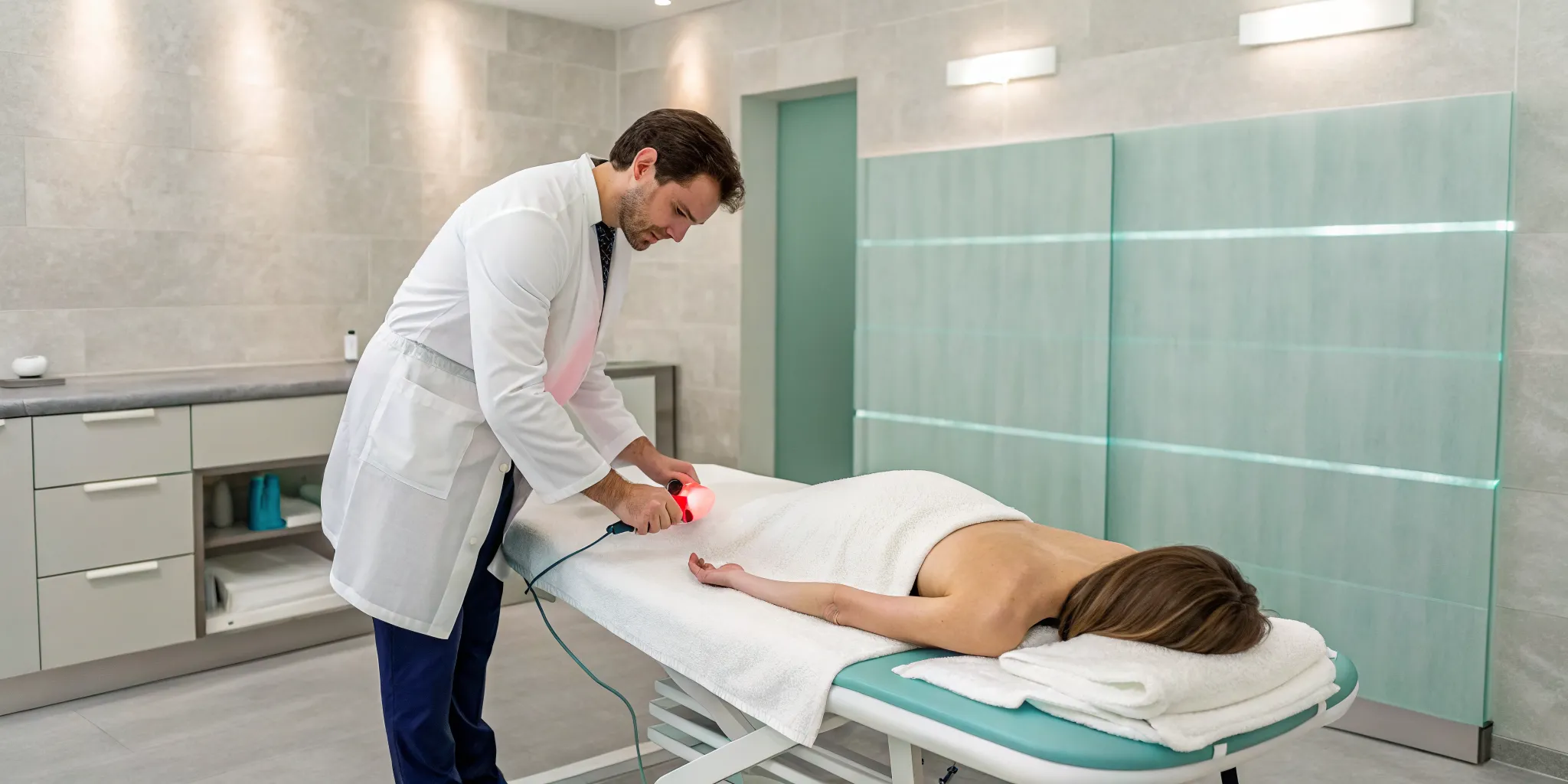
Patients often have questions about what the treatment will feel like, especially with the word "laser" involved. You can reassure them that the experience is gentle and painless. During the session, a trained clinician will apply the laser applicator directly to the skin over the painful area. As the light energy penetrates the tissue, most people report feeling a mild, soothing warmth. Some describe it as a light tingling sensation.
There is no pain, and the feeling is generally quite relaxing. Once the session is over, that’s it. There is no downtime, and patients can immediately return to their normal activities. This lack of recovery time is a significant advantage, making it a convenient option for people with busy lives who need effective pain relief without disruption.
After Your Session: What Comes Next
Laser therapy is powerful on its own, but its effectiveness is amplified when it's part of a holistic treatment plan. Think of it as one component of a complete strategy for healing and recovery. After a session, it's crucial to discuss the next steps with your patient. This often includes follow-up appointments to monitor their progress and continue the laser treatments.
For the best outcomes, you can integrate laser therapy with other services you provide. It pairs exceptionally well with chiropractic adjustments, physical therapy exercises, and spinal decompression. This approach allows you to address the patient's condition from multiple angles, which is a cornerstone of the HealthSource model. Reinforcing the treatment with guidance on posture, exercise, and nutrition also empowers patients to take an active role in their recovery.
Understanding the Risks and Who Should Be Cautious
Like any effective treatment, laser therapy comes with its own set of considerations. Before adding it to your clinic's services, it’s important to understand the potential risks, who makes a good candidate, and the financial conversation you’ll need to have with your patients. This knowledge ensures you can provide the best care while building a transparent and trusted practice. By integrating advanced modalities responsibly, you can offer a different kind of chiropractic business model that prioritizes both patient outcomes and clinic success. It's about more than just a new machine; it's about thoughtfully expanding your care options to achieve better results and build a stronger, more resilient practice. When you can confidently explain the entire process, including the safety measures and costs, you build a deeper level of trust with your patients. This transparency sets the stage for better compliance and, ultimately, better outcomes. It also positions your clinic as a leading-edge facility that is both innovative and responsible. Taking the time to master these details is what separates a good clinic from a great one, allowing you to lead your community in providing comprehensive, patient-centered wellness solutions.
Potential Side Effects to Know
The good news is that side effects from laser therapy are quite rare and typically mild. Patients might report a gentle warmth, slight redness, or a tingling sensation at the treatment site, which usually fades quickly. However, safety protocols are non-negotiable. Using proper eye protection for both the patient and the practitioner is essential to prevent injury, especially with more powerful Class IV lasers. While some studies on specific devices found no safety issues, adhering to strict operational guidelines is key to maintaining a safe environment and ensuring positive patient outcomes. This commitment to safety is a cornerstone of any professional clinic and a critical part of building patient trust.
Is Laser Therapy Right for Everyone?
While laser therapy is a safe option for many, it’s not a one-size-fits-all solution. Careful patient screening is crucial. It's generally not recommended for use over areas with active cancer, on patients with active infections, or directly over the abdomen and lower back of pregnant women. You should also use caution with children whose bones are still growing. Because this is a newer technology, many general practitioners may not be familiar with it, creating an opportunity for your clinic to become the local authority. Educating patients on who makes an ideal candidate positions you as a trusted expert in personalized wellness and a go-to resource in your community.
Breaking Down the Cost and Insurance
Since many insurance plans don't yet cover laser therapy, it's often offered as a cash-based service. This is a vital conversation to have with patients upfront. In the US, a single session can range from $30 to $200, and a full treatment course often requires eight or more sessions to achieve lasting results. While this can be a significant out-of-pocket expense, it’s also a powerful non-drug alternative for pain relief. For your clinic, this presents an opportunity to add a valuable cash service, diversifying your practice and tapping into one of the seven unique revenue streams available to HealthSource franchisees.
Laser Therapy vs. Other Back Pain Treatments
When a patient is dealing with back pain, they're often presented with a wide range of treatment options, from medication to more invasive procedures. As a practitioner, your role is to guide them toward the most effective and least invasive path. Laser therapy offers a compelling alternative to many traditional methods by targeting pain at its source. Let's break down how it compares to other common treatments you and your patients might consider.
Laser therapy vs. medication
Medication is often the first line of defense for back pain, but it typically just masks the symptoms. Painkillers and anti-inflammatories can provide temporary relief, but they don't address the underlying cause of the pain. Laser therapy, on the other hand, works at a cellular level to reduce inflammation and promote tissue repair. This approach aligns with a growing shift away from pharmaceutical dependency. Health experts even recommend non-drug treatments like laser therapy over opioids for managing pain. By offering this service, you provide patients with a powerful, non-addictive solution that supports the body's natural healing process instead of just silencing its signals for help.
Laser therapy vs. surgery
For patients with chronic or severe back pain, surgery can feel like the only option left. However, it comes with significant risks, including infection, complications from anesthesia, and a long, often painful recovery period. Laser therapy presents a much safer option for many conditions that might otherwise lead to surgery. Because it's non-invasive, there's no downtime and none of the associated surgical risks. Instead of physically altering the spine, laser therapy encourages healing from within. This can lead to faster recovery and lasting improvements in pain and mobility, helping your patients get back to their lives without going under the knife.
Laser therapy vs. chiropractic care and physical therapy
This isn't a case of "either/or" but rather "better together." Laser therapy doesn't replace the foundational benefits of chiropractic adjustments or physical therapy; it enhances them. While your adjustments correct spinal misalignments and restore proper joint function, laser therapy can prepare the body for treatment by reducing inflammation and relaxing tight muscles. This makes adjustments easier and more comfortable for the patient. Combining these modalities allows you to create a comprehensive pain management plan that addresses the issue from all angles, both structurally and at the cellular level. This integrated approach often leads to faster, more durable results and superior patient outcomes.
Can Combining Treatments Improve Your Results?
Laser therapy is a fantastic tool for managing pain and promoting healing, but it rarely works in a vacuum. Think of it as one player on a high-performing team. When you combine its cellular-level benefits with other proven therapies, you create a comprehensive treatment plan that addresses pain from multiple angles. This integrated approach not only helps your patients feel better faster but also delivers more sustainable, long-term results. For your clinic, this means better patient outcomes, which translates to stronger retention, more referrals, and a reputation for excellence. By layering treatments, you can tackle the structural, inflammatory, and functional components of back pain all at once, building a more effective and profitable practice.
The Power of Laser Therapy and Chiropractic Care
Chiropractic adjustments are excellent for correcting spinal misalignments and restoring proper joint function, which can provide immediate relief. When you add laser therapy to the mix, you amplify those results. While the adjustment addresses the biomechanics, the laser goes to work reducing localized inflammation, easing muscle tension, and accelerating tissue repair at a cellular level. This combination allows the body to hold adjustments longer and heal more completely. It’s a powerful one-two punch that tackles both the structural cause and the painful symptoms, which is a core part of the HealthSource business model. This synergy helps patients move beyond simple pain relief toward genuine, lasting wellness.
Pairing Laser Therapy with Spinal Decompression
For patients with disc-related issues like herniations or sciatica, combining laser therapy with spinal decompression can be a game-changer. Decompression gently creates negative pressure within the spine, giving discs room to retract and relieving pressure on pinched nerves. Following this up with laser therapy helps calm the irritated nerves and reduce the inflammation that decompression has exposed. This allows the laser’s healing light to penetrate more effectively into the targeted tissues. By offering advanced treatments like a Class IV laser, you can provide a sophisticated, non-surgical solution that also serves as one of your clinic's seven unique revenue streams, attracting patients who are looking for cutting-edge care.
Adding Laser Therapy to Your Rehab Plan
A truly effective recovery plan addresses the root cause of pain, and that often involves more than just passive treatments. Integrating laser therapy into a broader rehabilitation program that includes corrective exercises, stretching, and physical therapy creates a holistic path to recovery. The laser therapy accelerates the initial healing and pain reduction, making it easier and more comfortable for patients to engage in their exercises. In turn, the rehab work strengthens supporting muscles and improves movement patterns, preventing the problem from returning. This comprehensive approach ensures you’re not just putting out fires but are rebuilding a stronger, more resilient foundation for your patients with robust training and support.
How to Find the Right Laser Therapy Provider
Choosing the right provider is just as important as the treatment itself. The most advanced laser in the world won't deliver the results you want without a skilled and knowledgeable professional operating it. Finding a clinic you trust is the key to a successful outcome. When you start your search, focus on a provider’s experience, the technology they use, and their overall approach to patient care. A great provider will not only administer the treatment but will also act as your partner in health, guiding you through a plan designed specifically for you.
Key Questions to Ask Your Provider
Before committing to a treatment plan, it’s smart to have a conversation with your potential provider. This helps you gauge their expertise and ensures you feel comfortable. Don't hesitate to ask direct questions about their experience and what you can expect.
Here are a few to get you started:
- What is your experience with this specific type of laser?
- How many sessions do you typically recommend for a condition like mine?
- What kind of outcomes can I realistically expect?
- How do you integrate laser therapy with other treatments like chiropractic care or physical rehab?
A confident and transparent provider will be happy to walk you through their process and answer your questions thoroughly.
The Importance of FDA-Approved Technology
When you’re exploring laser therapy, look for clinics that use FDA-cleared devices. This clearance is a critical benchmark for safety and effectiveness. For example, the Erchonia FX 635 was the first laser of its kind to be cleared by the FDA for treating musculoskeletal lower back pain. FDA clearance means the technology has been reviewed and validated for its specific purpose, giving you peace of mind that you’re receiving a credible treatment. Using proven, advanced technologies is a hallmark of a clinic dedicated to providing high-quality care and achieving real results for its patients.
What to Look for in a Quality Clinic
A top-tier clinic does more than just offer a single service. It provides a complete and personalized approach to your health. Look for a practice that begins with a comprehensive evaluation to understand the root cause of your back pain, rather than just treating the symptoms. The best providers will use this information to create a personalized care plan that may combine laser therapy with other effective treatments. This integrated strategy is central to a comprehensive chiropractic and rehab model, ensuring you receive well-rounded care designed to restore function and provide lasting relief.
Frequently Asked Questions
Is laser therapy painful? What does it feel like? Not at all. Most people find the treatment to be quite relaxing. During a session, you will likely feel a gentle and soothing warmth over the area being treated. Some people also report a very light tingling sensation. The entire process is completely painless and non-invasive, so you can rest assured there are no needles or discomfort involved.
How many sessions will I need before I feel better? While some people notice improvement after just a few visits, laser therapy works cumulatively, meaning the benefits build up over time. It is not a one-time fix. A complete treatment plan, which often includes a series of eight or more sessions, is typically needed to achieve significant and lasting pain relief. Your provider will create a plan based on your specific condition and goals.
What’s the main difference between the types of lasers, like low-level and high-intensity? The simplest way to think about it is in terms of power and depth. Low-level lasers use less energy and are excellent for targeting specific, localized issues and promoting cellular repair without generating heat. High-intensity lasers use more power, which allows the therapeutic light to penetrate deeper into tissues and cover a wider area, making them great for more severe or deep-seated pain.
Can I get just laser therapy, or should I combine it with other treatments? You can certainly get laser therapy on its own, but it works best as part of a comprehensive care plan. Think of it as a powerful tool that prepares your body for other treatments. When paired with chiropractic adjustments or a physical rehab plan, the laser helps reduce inflammation and relax muscles, which can make your other treatments more effective and lead to faster, more durable results.
Is laser therapy a safe option for everyone? Laser therapy is very safe for most people, and side effects are extremely rare. However, it is not recommended for everyone. A thorough evaluation is necessary to make sure you are a good candidate. For example, treatment is generally avoided over areas with active cancer, on pregnant women, or for patients with certain medical conditions. A qualified provider will always review your health history first.


