
What's the Best Chiropractic for Disc Problems?
29 Min ReadHealthSource Chiropractic
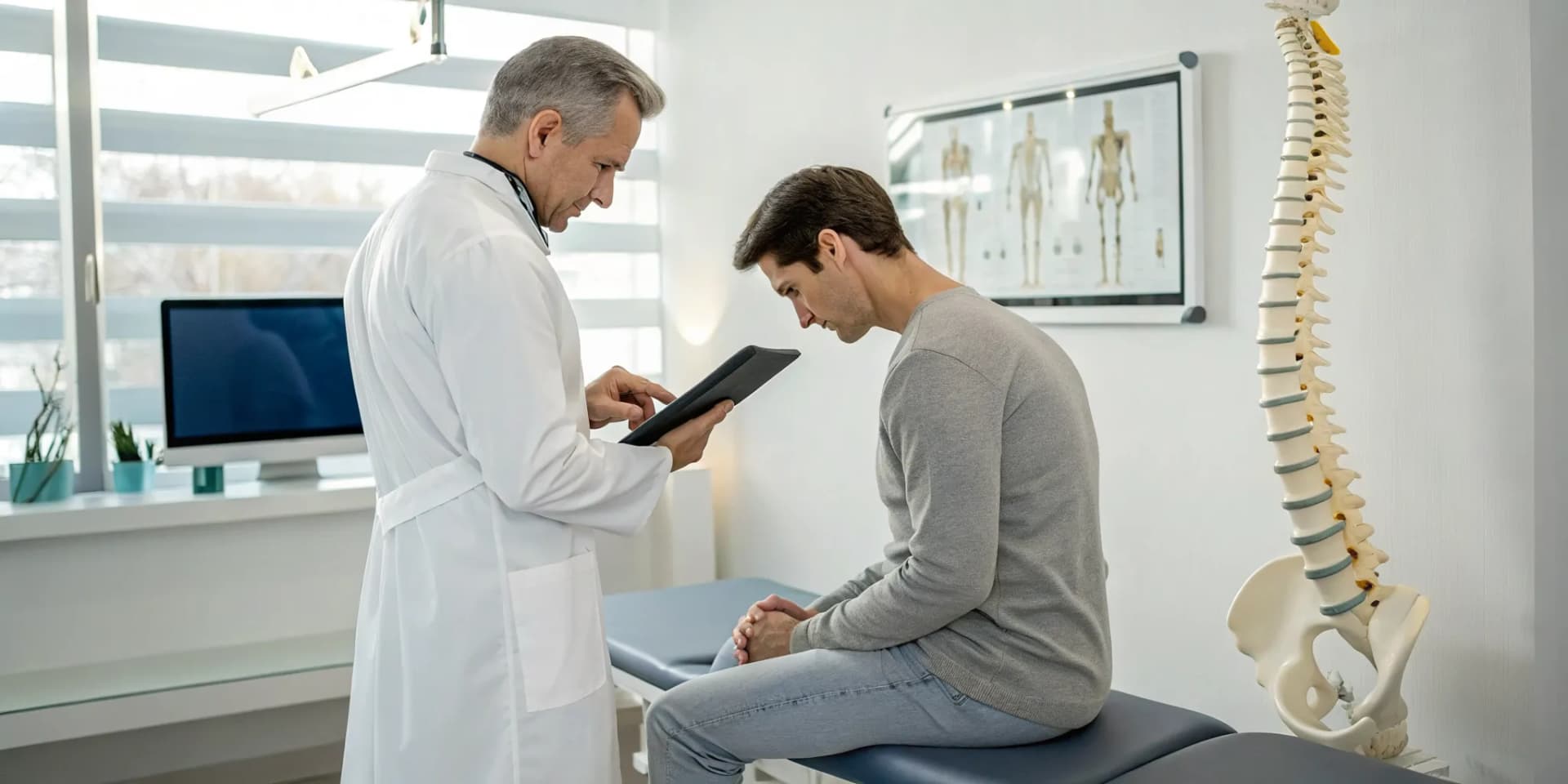
As a chiropractor, you know the look. A patient walks in, moving carefully, their face a mix of pain and apprehension. Disc problems are more than just a clinical challenge; they represent a critical moment of trust. Your ability to confidently diagnose and effectively treat these complex cases defines your practice's reputation. It’s what separates a good clinic from a great one. Providing the best chiropractic for disc problems isn't about a single magic adjustment. It’s about implementing a comprehensive, evidence-based system that delivers consistent, predictable outcomes. This guide explores the techniques and protocols that build that system, helping you transform challenging cases into your most powerful success stories.
Key Takeaways
- Go Beyond the Adjustment: Combine spinal manipulation with targeted techniques like flexion-distraction and progressive rehab to create a multi-faceted plan that addresses the entire condition, not just the immediate pain.
- Build Your Plan on a Bedrock of Diagnosis: Create effective, evidence-based treatment plans by integrating a detailed patient history, a thorough physical exam, and targeted imaging to pinpoint the exact source of a patient's disc pain.
- Empower Patients for Long-Term Success: Extend your care beyond the clinic by educating patients on their condition, setting realistic recovery goals, and providing actionable at-home strategies to improve outcomes and build lasting trust.
What Is a Herniated Disc?
As a chiropractor, you know that disc-related pain is one of the most common and challenging issues patients bring to your clinic. A herniated disc, sometimes called a slipped or ruptured disc, occurs when the soft, gel-like center of a spinal disc pushes through a tear in its tougher exterior. This can put pressure on surrounding nerves, leading to a cascade of symptoms that can significantly impact a patient's quality of life. Effectively diagnosing and treating these conditions is a cornerstone of a successful practice and a key area where a systematic approach can deliver incredible patient outcomes. A modern clinic built on a strong chiropractic business model is perfectly positioned to provide the comprehensive care these patients need.
What a Herniated Disc Feels Like
For patients, the experience of a herniated disc can be alarming and intensely painful. The location of the pain often provides the first clue. If the herniation is in the lower back, patients typically report pain radiating through the buttocks, thigh, and calf. For a cervical herniation, the pain is more likely to be felt in the shoulder and arm. They might describe a sharp, shooting sensation that worsens with specific movements, like turning their head or bending over. Beyond pain, patients frequently experience numbness or tingling in the affected limbs. You might also observe muscle weakness, which can cause them to stumble or struggle with simple tasks like lifting objects.
How Disc Problems Develop
Disc herniation is often the result of gradual, age-related wear and tear, but it can also be triggered by lifting a heavy object improperly or a sudden, traumatic injury. Over time, the spinal discs lose some of their water content, making them less flexible and more prone to tearing. While some research from outside our field may question the role of spinal manipulation for herniated discs, we know that a precise diagnosis is the critical first step. A comprehensive clinical system allows you to move beyond a one-size-fits-all approach and determine the exact cause of the patient's pain, ensuring that any treatment you provide is both safe and effective. This is central to the HealthSource story and our commitment to clinical excellence.
When to See a Chiropractor
Patients should be encouraged to seek a professional evaluation as soon as they suspect a disc issue, even if the pain seems manageable. An unaddressed herniation can disrupt the body's overall alignment and biomechanics, potentially leading to compensatory issues and further problems down the road. This is a crucial educational point for your community and a reason why the demand for chiropractic care continues to grow. As a clinician, your role is to perform a thorough assessment to confirm the diagnosis and develop a personalized plan. This proactive approach not only addresses the immediate symptoms but also sets the stage for long-term spinal health and stability.
How Chiropractic Care Helps Disc Problems
As a chiropractor, you know that few conditions cause patients more distress than disc problems. The sharp, radiating pain and loss of function can be debilitating. While patients might fear surgery is their only option, your expertise offers a powerful, non-invasive path forward. A comprehensive approach to chiropractic care doesn't just mask the pain; it helps patients find lasting relief, regain their mobility, and address the mechanical issues at the heart of the problem. By integrating targeted adjustments with progressive rehab, you can guide patients through recovery and help them build a stronger, more resilient spine for the future.
Find Relief Without Surgery
For patients facing a herniated or bulging disc, the thought of surgery can be overwhelming. Chiropractic care presents a highly effective, non-invasive alternative. Your role is to guide them toward recovery without the risks, costs, and lengthy downtime of surgical procedures. Seeing a chiropractor for disc issues can help manage the immediate pain and also serve as a preventative measure against future flare-ups. By focusing on a structured, rehab-centered plan, you can help patients avoid more invasive treatments. This approach is central to the HealthSource business model, which emphasizes delivering superior patient outcomes through a combination of advanced chiropractic techniques and progressive rehabilitation, positioning your clinic as a first-choice solution for non-surgical spine care.
Improve Your Mobility and Function
Pain relief is just the first step; true recovery means restoring a patient's ability to move freely and confidently. Chiropractic care excels at improving mobility and function by combining precise adjustments with targeted exercises. Adjustments help reduce pressure on the affected nerve, creating a crucial window for healing to begin. Following up with specific exercises, like pelvic blocking or core stabilization movements, helps gently guide the disc away from the nerve and strengthens the supporting musculature. This integrated strategy is key for long-term success. It ensures patients not only feel better but also regain the strength and stability needed to return to their daily activities and prevent the problem from returning.
Address the Root Cause, Not Just Symptoms
While pain medication can offer temporary relief, it does little to fix the underlying problem. Chiropractic care is different because it focuses on identifying and correcting the root cause of disc pain. As a chiropractor, you are highly skilled at diagnosing disc issues by analyzing a patient's symptoms, performing orthopedic tests, and determining exactly which disc and nerve are involved. This detailed diagnostic process allows you to move beyond symptom management and address the specific biomechanical faults that led to the injury. By correcting spinal alignment and restoring proper joint mechanics, you provide a solution that offers lasting results, rather than just a temporary fix.
What the Research Says
Current research shows that a majority of herniated disc cases, up to 90%, can resolve with conservative, non-surgical treatment. This is where your expertise becomes invaluable. While a disc issue might improve on its own over several weeks or months, that process can be painful and uncertain for the patient. Chiropractic care provides a structured and guided approach to conservative treatment. You can help manage pain, accelerate healing, and ensure the spine stabilizes correctly. This proactive management is a key reason why the demand for chiropractic services continues to grow. Patients are actively seeking non-pharmacological solutions, and your guidance can make all the difference between a slow, painful recovery and a swift, successful one.
How Chiropractors Diagnose Disc Problems
As chiropractors, we know that accurate diagnosis is the bedrock of effective treatment. When a patient comes in with suspected disc issues, a precise and thorough diagnostic process is non-negotiable. It’s about looking beyond the immediate pain to understand the complete picture of their spinal health. This involves a systematic approach that combines listening to the patient, performing a detailed physical examination, and, when necessary, using advanced imaging to confirm our findings. This comprehensive method ensures we’re not just guessing but are building a treatment plan based on solid evidence.
A multi-step evaluation allows us to pinpoint the exact location and severity of a disc problem, differentiate it from other potential issues, and create a targeted care strategy. This is a core principle of the HealthSource chiropractic business model, which emphasizes a state-of-the-art clinical system to deliver unmatched patient outcomes. By following a clear diagnostic path, we can confidently guide patients from pain and uncertainty toward recovery and long-term wellness. It’s this commitment to diagnostic excellence that builds patient trust and sets a practice apart.
Reviewing Your History and Symptoms
The diagnostic journey always begins with a conversation. Taking a detailed patient history is one of the most powerful tools we have. This initial discussion helps us understand the nuances of their condition directly from their perspective. We listen for key details: when the pain started, what it feels like (e.g., sharp, dull, burning, or tingling), and what activities make it better or worse.
This information is crucial for creating a diagnostic hypothesis. For instance, if a patient describes pain radiating down their leg, we can start to map the potential nerve pathways involved. By considering where they feel the pain, we can begin to figure out which nerve and disc are likely affected. This patient-centered approach ensures we’re not just treating a symptom but are addressing the individual experiencing it.
The Physical Exam and Muscle Assessment
After listening to the patient's story, the next step is a hands-on physical exam. This is where we gather objective clinical data to test our initial hypothesis. The examination isn't limited to the area of concern; we assess the entire spine to understand the full kinetic chain and identify any contributing factors. We perform orthopedic and neurological tests to check reflexes, sensation, and muscle strength.
These tests provide vital clues. For example, testing a patient's reflexes can tell us if nerve signals are being transmitted correctly. We also check key muscle groups for any signs of weakness, which can indicate nerve compression from a herniated disc. This detailed assessment is a fundamental part of the franchise training and support we provide, ensuring every clinic operates with the highest standard of clinical excellence.
Using Imaging Tests (X-Rays & MRIs)
While a thorough history and physical exam often provide a clear picture, imaging tests can be used to confirm a diagnosis and get a precise look at the spinal structures. An X-ray is excellent for visualizing bone, helping us rule out fractures, assess spinal alignment, and check for degenerative changes in the vertebrae. However, since discs are soft tissue, they don't show up on an X-ray.
When we need to see the disc itself, along with the spinal cord and nerve roots, an MRI is the gold standard. An MRI can show the exact location and size of a disc herniation or bulge and reveal whether it's pressing on a nerve. We typically order imaging to confirm our clinical findings or if a patient's symptoms aren't improving as expected, ensuring our treatment plan is always guided by the best available information.
Creating Your Personalized Treatment Plan
The final step in the diagnostic process is to synthesize all the information we've gathered into a personalized treatment plan. The diagnosis isn't just a label; it's the blueprint for recovery. Based on the patient's history, exam findings, and any imaging results, we can design a strategy that directly addresses the root cause of their disc problem.
This plan goes far beyond a simple adjustment. It may include specific chiropractic techniques, targeted therapeutic exercises to stabilize the spine, and other supportive therapies. This integrated approach is central to providing comprehensive care and is reflected in the seven unique revenue streams available to HealthSource franchisees, which include services like Progressive Rehab to support lasting patient outcomes.
Chiropractic Techniques for Disc Problems
As a chiropractor, you know that treating disc problems requires a nuanced and multi-faceted approach. It’s not about a single adjustment; it’s about creating a comprehensive plan that addresses the patient's specific condition from multiple angles. A modern clinic uses a diverse toolkit of techniques to relieve pain, restore function, and promote long-term spinal health. This is where a sophisticated clinical model truly shines, allowing you to combine hands-on adjustments with advanced therapies and patient education for superior outcomes.
This integrated strategy is the foundation of a different kind of chiropractic business model, one that moves beyond simple adjustments to offer whole-body wellness. By blending classic techniques with modern technology and rehabilitative care, you can provide a level of service that not only helps patients heal but also builds a stronger, more resilient practice. Let's explore some of the key techniques you can use to effectively manage and treat disc-related issues.
Spinal Manipulation
Spinal manipulation is the cornerstone of chiropractic care for a reason. This hands-on technique involves a gentle, controlled thrust to move a joint, which can help guide a displaced disc back into a more favorable position. While patients might hear a popping sound, you know this is simply the release of gas from the joint, similar to cracking one's knuckles.
The goal is to restore mobility and relieve pressure on the surrounding nerves. For disc problems, this is rarely a one-and-done solution. It typically requires a series of carefully applied adjustments over several sessions to achieve lasting results and ensure the disc stabilizes correctly.
Flexion-Distraction Technique
The flexion-distraction technique is a gentle, non-thrusting method that is especially effective for disc injuries. Using a specialized table that flexes and distracts the spine in a rhythmic motion, this technique helps to decompress the affected area.
This movement creates a negative pressure within the disc, which can help draw herniated or bulging material back into its proper place and away from irritated nerve roots. It’s an excellent option for patients who are in acute pain or may be apprehensive about traditional manual adjustments, offering a controlled way to increase spinal motion and reduce intradiscal pressure.
Gentle Traction
Similar to flexion-distraction, gentle traction is another powerful tool for decompressing the spine. This method involves using manual or mechanical force to gently stretch the spine, creating more space between the vertebrae. For patients with herniated or bulging discs, this increased space can provide immediate relief by taking pressure off the compressed discs and nerves.
Traction is a highly effective and comfortable therapy that helps hydrate the discs, improve circulation, and reduce overall stiffness. It’s a foundational part of a comprehensive treatment plan aimed at not just managing symptoms but creating an environment for the body to heal itself.
Instrument-Assisted Adjustments
For practitioners looking to add more precision to their practice or reduce the physical demands of manual adjusting, instrument-assisted techniques are a fantastic option. These methods use specialized handheld tools to deliver a quick, low-force impulse to a specific joint or area of the spine.
This approach allows for a highly targeted adjustment without the need for twisting or forceful thrusting, making it ideal for sensitive patients or complex disc cases. It’s a perfect example of how integrating technology can enhance patient care while also supporting the longevity of your own career.
Targeted Therapeutic Exercises
Adjustments are crucial, but empowering patients to participate in their own recovery is what creates lasting change. Prescribing targeted therapeutic exercises is a key component of a comprehensive disc treatment plan. These exercises are designed to stabilize the spine, strengthen core muscles, and improve flexibility.
Simple movements like pelvic tilts or cat-cow stretches can help relieve pressure on the disc and move it away from sensitive nerves. By incorporating active rehab, you transition from simply treating a condition to building a more resilient patient. This approach also opens the door to additional revenue streams for your clinic through rehabilitative services.
Supportive Therapies (Ultrasound, E-Stim)
To complement your manual techniques, supportive therapies like therapeutic ultrasound and electrical stimulation (E-stim) can significantly accelerate healing. Ultrasound uses sound waves to generate deep heat within tissues, which helps reduce swelling, decrease pain, and relax muscle spasms around the affected disc.
E-stim, on the other hand, uses gentle electrical currents to block pain signals and stimulate muscle contractions, which can help reduce inflammation and promote blood flow to the injured area. These modalities are excellent tools for managing acute symptoms and preparing the body for more active rehabilitation.
Education and Lifestyle Changes
Your role as a chiropractor extends far beyond the treatment room. Educating patients on lifestyle changes is one of the most valuable services you can provide. This includes teaching proper posture for sitting and standing, demonstrating safe lifting techniques, and offering ergonomic advice for their work and home environments.
By helping patients understand how their daily habits impact their spinal health, you empower them to prevent future injuries and maintain the progress they’ve made. This focus on education solidifies your role as a trusted health partner and is a hallmark of a patient-centered practice that prioritizes long-term wellness.
Comparing Chiropractic Care to Other Treatments
When a patient is dealing with the intense pain of a disc problem, they often feel pressured to consider invasive procedures or long-term medication. As a chiropractor, you're in a unique position to offer a path that not only manages pain but also restores function from the ground up. Explaining how chiropractic care stacks up against other common treatments is a crucial part of patient education. It helps them make an informed choice and builds trust in your expertise. Let's break down the key comparisons.
Chiropractic vs. Surgery
Surgery can seem like a quick fix for herniated discs, and for some severe cases, it might be the right call. Research shows that surgical options can provide significant short-term pain relief. However, those initial benefits often start to fade after about a year. This is where your work becomes so vital. Chiropractic care offers a non-invasive alternative focused on long-term stability and function. Instead of just removing the problematic tissue, you help the body heal and strengthen the surrounding structures. This approach provides sustainable relief and helps patients avoid the risks and lengthy recovery associated with surgery, aligning perfectly with a comprehensive care model.
Chiropractic vs. Pain Medication
Pain medication is often the first line of defense in conventional medicine, but it does little more than mute the body's warning signals. For disc issues, pain can stem from the disc itself, irritated nerve roots, or even compensating muscles and joints. Simply masking that pain with medication leaves the underlying mechanical problem unresolved. As a chiropractor, you can explain to patients that your goal is to find and fix the source of the fire, not just turn off the smoke alarm. By addressing the root cause of their discomfort, you provide a path to genuine healing and reduce their reliance on pharmaceuticals, which is a core principle of patient-focused wellness.
Integrating Chiropractic Care with Other Treatments
Your role doesn't have to exist in a vacuum. In fact, the best patient outcomes often come from a collaborative approach. When you take the time to listen to a patient's concerns and clearly explain your treatment plan, you build the trust needed to work alongside other healthcare providers. Encouraging patients to discuss chiropractic care with their entire medical team positions you as a confident and essential partner in their health journey. This integrated strategy is a cornerstone of modern practice, and with the right training and support, you can confidently lead these conversations and coordinate care that respects the patient's whole-body needs and goals.
Understanding the Risks and Limitations
As a chiropractor, you know the incredible impact your work can have on patients suffering from disc-related pain. At the same time, providing the best care means being transparent about the scope of treatment. Setting clear expectations and understanding the limitations of chiropractic care is not a sign of weakness; it’s a mark of a confident and responsible practitioner who always puts the patient’s well-being first. This honesty builds trust and ensures patients are on the right path to recovery, whether that path stays entirely within your clinic or involves collaboration with other specialists.
In a field where patients can be desperate for a quick fix, your integrity becomes your most valuable asset. It differentiates your practice, fosters long-term patient loyalty, and solidifies your reputation as a trusted healthcare expert in your community. This approach is fundamental to building a sustainable and scalable clinic that delivers exceptional outcomes.
Debunking Common Myths
One of the most important conversations you can have with a patient involves managing their expectations. Many people believe a chiropractic adjustment can "pop a disc back into place," but the reality is more nuanced. There isn't strong scientific evidence that spinal manipulation directly reverses a disc herniation. Instead, our goal is to improve spinal mechanics, reduce pressure on the affected nerve, and decrease inflammation in the surrounding tissues. By restoring motion to the spinal joints, we create a better healing environment. Explaining this helps patients understand the process and appreciate the functional improvements they experience, which is key to the growing demand for chiropractic services.
When to Consider Other Options
A great chiropractor knows their limits. While many disc-related issues respond well to conservative care, certain red flags require a referral to another medical professional. If a patient presents with severe or progressive muscle weakness, significant loss of sensation, or reflex changes, it’s time to consider other options. These symptoms could indicate a large herniation with significant nerve or spinal cord compression that may require medical intervention, including surgery. Being part of a patient's broader healthcare team is a core component of a modern, comprehensive chiropractic business model. Your role is to be the primary expert for spine care, and that includes knowing when to co-manage a case.
Important Questions for Your Chiropractor
Patients are looking for a partner in their health journey, and you can build immense trust by proactively answering their questions. A patient-focused practice is built on clear communication. Take the time to explain your diagnosis, outline the proposed treatment plan, and define what success will look like. When you listen to their concerns and tailor your approach, you empower them. This collaborative spirit is central to a thriving franchisee culture and sets your clinic apart. If a patient ever feels their concerns are dismissed or the treatment plan seems unclear, they may look elsewhere. By fostering an open dialogue, you create lasting patient relationships built on confidence and respect.
Finding the Right Chiropractor for Disc Pain
Choosing a chiropractor for disc pain is a significant decision. You're not just looking for temporary relief; you're looking for a partner to help you regain your quality of life. The right provider will do more than perform adjustments. They will offer a comprehensive strategy to help you heal and build a stronger, more resilient spine for the future. To find the best fit, you need to know what to look for, from specific qualifications to the overall approach to care. It’s about finding someone who invests in their practice and, more importantly, in their patients' long-term health.
Qualifications and Specializations
When you’re dealing with something as specific as disc pain, experience matters. While any licensed chiropractor can treat back pain, you’ll want to find someone with a proven track record in handling disc-related issues like herniated discs or sciatica. Don't be afraid to ask about their experience with conditions similar to yours. A specialist will have a deeper understanding of the nuances of your condition and can offer more targeted and effective care. Their confidence and expertise in this area will be apparent in how they discuss your diagnosis and treatment options.
Advanced Tools and Ongoing Education
The field of chiropractic care is constantly evolving. The best chiropractors are lifelong learners who actively seek out new research, techniques, and technologies to improve patient outcomes. Look for a provider who uses modern diagnostic tools and participates in continuing education beyond basic licensing requirements. A commitment to professional growth shows they are dedicated to offering the highest standard of care. This dedication is a core part of the franchise training and support we believe in, ensuring every clinic stays at the forefront of the industry.
A Whole-Body Approach to Treatment
A disc problem rarely exists in isolation. It’s often linked to underlying issues with posture, muscle imbalances, and lifestyle habits. That’s why a chiropractor who looks at the bigger picture is essential. The most effective treatment plans integrate spinal adjustments with other modalities like therapeutic exercises, soft tissue work, and nutritional advice. This whole-body approach doesn't just address the pain; it corrects the root cause, helping you build a foundation for lasting health and preventing future injuries.
Patient-Focused Care and Communication
Ultimately, chiropractic care is a partnership. You should feel comfortable, heard, and respected from your very first appointment. A great chiropractor will take the time to listen to your story, conduct a thorough examination, and clearly explain your treatment plan. They should empower you with knowledge about your condition and involve you in decisions about your care. This patient-focused communication is the bedrock of trust and is a key ingredient for a successful recovery. It’s a hallmark of a thriving franchisee culture where patient success is the top priority.
How Do You Know If Treatment Is Working?
As a chiropractor, you know that recovery is more than just the absence of pain. True progress is about restoring function, improving quality of life, and empowering patients to feel confident in their bodies again. Communicating this effectively is key to patient retention and satisfaction. When patients understand what to look for, they become active partners in their own healing journey, celebrating the small victories that lead to long-term wellness.
The most successful clinics are masters at setting expectations and demonstrating value beyond the adjustment table. It’s about showing patients the tangible results of their commitment. This involves looking at a combination of subjective feedback (how they feel) and objective measures (what you can see and measure in the clinic). By tracking progress holistically, you not only validate your treatment plan but also build a stronger, more trusting relationship with every person you care for. This approach is central to a modern, patient-focused business model that delivers exceptional outcomes and sets your practice apart. It transforms the conversation from "When will the pain stop?" to "Look how much more I can do."
How to Track Your Progress
Tracking progress is a collaborative effort. While a patient’s pain level is an important starting point, it’s only one piece of the puzzle. Encourage them to notice functional improvements in their daily lives. Can they sit through a movie without discomfort? Are they able to lift their groceries with more ease? These real-world wins are powerful indicators that treatment is working.
In the clinic, you can complement their subjective feedback with objective data. Documenting changes in their range of motion, posture, and spinal alignment provides concrete evidence of their recovery. You can also assess their ability to perform specific therapeutic exercises you’ve prescribed. Watching a patient’s form and stability improve over time gives both of you a clear, measurable sign of progress and reinforces the value of your comprehensive care plan.
Setting Realistic Recovery Timelines
Managing patient expectations around recovery timelines is crucial for building trust. While every patient is different, research shows that most people with herniated discs improve significantly with non-surgical care within a few months. It’s helpful to communicate that healing is a process, not an event. Explain that your goal is to support the body’s natural healing capabilities through a consistent, conservative treatment plan.
Setting a realistic timeframe from the start helps prevent patient discouragement. Let them know that progress might come in waves, with some weeks feeling better than others. This honest communication reinforces your role as a trusted guide in their health journey. As the demand for chiropractic care continues to grow, clinics that excel at patient education and expectation management will stand out as leaders in their communities.
How to Support Your Recovery at Home
Your work inside the clinic is only one part of a patient's recovery journey. Empowering patients with the right knowledge and tools for at-home care is essential for achieving lasting results and building trust. When patients become active participants in their own recovery, they not only heal faster but also develop a deeper appreciation for the comprehensive care you provide. This partnership transforms the patient-provider relationship from a simple service into a collaborative effort for long-term wellness.
Guiding your patients through at-home strategies reinforces your role as their primary health expert. It’s an opportunity to educate them on how their daily activities impact their spinal health, helping them connect the dots between your in-clinic treatments and their lifestyle. By providing clear, actionable steps they can take between appointments, you extend the value of your care far beyond the adjustment table. This approach not only improves patient outcomes but also solidifies your clinic's reputation for patient-focused, results-driven care, a cornerstone of the HealthSource model.
Long-Term Strategies for Spinal Health
Educating patients on long-term spinal health is crucial for preventing recurrence. While many herniated discs can improve with conservative care, your guidance ensures patients are using the right techniques safely and effectively. Teach them about positional relief to decompress the spine and introduce gentle, targeted exercises to strengthen supporting muscles. Research shows that for many patients, a combination of watchful waiting and simple treatments is a sound initial approach. By overseeing this process, you provide the clinical expertise needed to monitor progress, adjust the plan as needed, and ensure the patient stays on a safe path to recovery.
Daily Habits to Protect Your Spine
Small, consistent actions can make a huge difference in a patient's recovery and long-term spinal health. Coach your patients on incorporating spine-protecting habits into their daily routines. Emphasize modified rest over complete bed rest, encouraging light activity like walking to promote blood flow and reduce stiffness. You can also discuss the role of inflammation in disc pain and suggest natural, anti-inflammatory strategies, such as dietary changes or supplements. Providing a simple list of do's and don'ts for daily movements, like proper lifting techniques and ergonomic setups for their workspace, gives them tangible ways to protect their back every day.
Preventing Future Disc Problems
The ultimate goal is to move patients from recovery to prevention. An unaddressed disc issue can create alignment problems and other musculoskeletal complaints down the line, which is why your role in preventative care is so important. Explain how regular chiropractic check-ups can address minor imbalances before they become major problems. This positions your care as an essential part of their ongoing wellness routine, not just a solution for acute pain. By fostering this long-term relationship, you help patients maintain their health and build a sustainable, thriving practice centered on proactive, whole-body wellness.
Frequently Asked Questions
My back hurts so much. Is it really safe to get an adjustment for a herniated disc? This is a very common and understandable concern. The good news is that we use a variety of gentle, specific techniques designed for disc issues. It's not about forceful cracking. We might use methods like flexion-distraction, which uses a special table to gently decompress your spine, or instrument-assisted adjustments that deliver a precise impulse without any twisting. The goal is always to reduce pressure on the nerve and restore motion safely, creating an ideal environment for your body to heal.
Will a chiropractic adjustment put my slipped disc back into place? That’s a popular myth, but the process is a bit more complex. A disc herniation isn't like a dislocated shoulder that can be popped back in. Instead of forcing the disc itself, our adjustments focus on restoring proper movement to the spinal joints around it. This helps reduce pressure, decrease inflammation, and gives the disc material a chance to recede naturally away from the nerve it might be pressing on. It's about improving function so your body can do the healing work.
How many appointments will I need before I start to feel better? Recovery is a personal journey, so there isn't a magic number of visits that works for everyone. Your treatment plan will be tailored specifically to you, based on your diagnosis and how your body responds. Generally, care happens in phases. The first phase focuses on reducing your pain and inflammation. After that, we work on stabilizing your spine and strengthening the supporting muscles to prevent the problem from coming back. We will set clear goals and track your progress together every step of the way.
What happens if chiropractic care doesn't resolve my disc pain? My primary goal is to help you get better, and that includes knowing the limitations of any single treatment. We constantly monitor your progress through your feedback and our own clinical assessments. If you are not responding as expected, or if you have symptoms that suggest a more severe problem, I will be the first to recommend a different approach. This could involve co-managing your care with another medical specialist to ensure you get the most appropriate and effective treatment.
Besides my appointments, what can I do at home to help my recovery? Your involvement is a huge part of your success. The most important thing you can do is follow the personalized plan we create for you, which will likely include specific, gentle exercises to help stabilize your spine. We will also talk about small changes to your daily habits, like how to sit, stand, and lift correctly to avoid re-injury. Simple things like taking short walks and being mindful of your posture can make a significant difference in speeding up your recovery and preventing future problems.


